Independent comparisons. We may earn from shop links. More info

TCT vs abrasive metal cutting

Updated: 21 October 2026

You already own an angle grinder, the disc is cheap, and a TCT metal circular saw looks like a dear way to make the same slit. TCT vs abrasive metal cutting is a choice about heat, sparks, the finish you can live with, and how often you make that cut. This page stays on the process. The five corded saws and their prices are on the [metal circular saw comparison](/hub/power-saws/metal-circular-saw). A qualifying amazon.co.uk purchase can earn a commission at no extra cost to you. If the piece is short, thick, or tucked where a shoe cannot land, the abrasive disc still wins.

You already own an angle grinder, the disc is cheap, and a TCT metal circular saw looks like a dear way to make the same slit.

Our top picks

On this page

How each method cuts

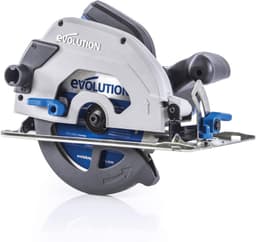
A TCT metal circular saw, in the Evolution listings here, spins a toothed carbide blade and is sold as a dry cut. The R185 and S185 bullets describe mild steel with little heat, little burr and virtually no sparks. That is Evolution’s wording, not a measurement from this desk. The shoe controls depth. The S185CCSL is the mild-steel blade in this set. An abrasive disc rubs metal away. It shrinks as you cut, and the sparks are the waste you can see. The Enventor’s HSS blades are a smaller third idea: a 705 watt compact sold for soft metal, not a grinder and not an S185. A wood circular saw with a homemade metal blade is not a third option. The buying guide is that class decision.

Finish, heat, and sparks

The limit on “low spark” is the word virtually. Evolution’s bullets say virtually no sparks and no heat on mild steel. A UK S185 reviewer still wants glasses and ear protection on 5 mm plate, and describes a clean edge rather than a weld prep. If the edge colours, you were too slow or too thick for that blade. Abrasive cutting puts the heat in the cut on purpose. It is a poor way to leave a sheet edge someone will handle. Deburr either method before you call the edge finished. None of the five listings is sold as a stainless saw. A UK dealer page gives the S185CCSL an example of 8 mm mild-steel plate. That figure stays on that model. The stated 64 mm depth is the shoe adjustment, not a steel thickness. Shape-by-shape limits are on the mild steel page.

Noise, dust, and PPE

Both processes want hearing protection. HSE’s tables put circular sawing of metal at roughly 95–105 dB(A). Cold cutting can be the lower-noise choice in that workshop frame, and you still wear defenders because the residual level is high. Abrasive cutting adds grinding dust and a spark stream. TCT cutting adds sharp chips. Eye protection stays on for both. Clear swarf only with the tool unplugged. A glove that can wrap into a circular blade is an entanglement risk. A TCT blade costs more and is meant to stay on if you stay inside the material. A seized Enventor blade bolt wipes out that saving.

When to choose which

Choose the TCT circular saw when the work is flat enough for the shoe, inside the published thickness, and frequent enough that sparks and disc changes are the nuisance. In this set that is the S185CCSL for regular mild steel at about £105.00, or the R185CCS at about £69.95 when the week is mixed timber and thin metal. Choose the grinder when the cut is short, obstructed, or thicker than the saw listing. If it does not sit, or the plate is past that line, use the grinder or hand the piece on. Do not fit a metal blade to a wood-only saw to avoid the choice.

Common questions

Which makes fewer sparks?
The TCT listings claim virtually no sparks on mild steel, against a disc that cuts by throwing spark. Take “virtually” literally. A 5 mm plate reviewer still wants glasses on an S185. You can get fewer sparks and still get debris that injures an eye. An obstructed cut may force the grinder. Do not plan either tool on a timber floor without thinking about what can catch.
Which is better for thin sheet?
A clamped TCT saw with the depth set just through the sheet is the better default. The shoe limits the dive, and the line is straighter than a freehand disc. Thin sheet still warps if both sides are unsupported. An abrasive disc overheats a wavy edge quickly. The Enventor’s 42.8 mm depth is for small soft work, not a rush through sheet with the wrong blade. Deburr the arris before you handle it.
Which is cheaper to run?
A grinder you already own is cheaper this afternoon for one short cut, if you accept the disc. Across a month of box and stud, the R185CCS at about £69.95 can cost less irritation than a stack of discs, if you stay in its materials list. The S185 at about £105.00 is the steel-blade spend. A faulty tool or a blade you cannot remove changes the sum. Discs look cheap until the edge is scrap.
Do I still need eye protection with TCT?
Yes. The low-spark claim is not a PPE exemption. The S185 review that likes the 5 mm edge also says to wear glasses. Hearing protection sits with that, at roughly 95–105 dB(A) for circular sawing of metal. Unplug before you pick chips out of the guard. Sunglasses are not the specification.
Can abrasive discs cut thicker plate?
They often can, in more than one pass, where a handheld saw’s published plate line has stopped. That is the grinder’s remaining job, with more heat and a disc that wears down. It is not automatically safer. If the plate is structural, a chop saw or a fabricator is the next step, not a heavier disc. The 8 mm dealer example belongs to the S185CCSL, not to every disc in the drawer.

Related pages

Sources

Public UK sources and the amazon.co.uk listings compared on this page. Listings captured 20 October 2026.

  1. HSE EIS12: metal-cutting circular saws (retrieved 20 October 2026)
  2. HSE: engineering noise (retrieved 20 October 2026)
  3. Evolution R185CCS on amazon.co.uk (retrieved 20 October 2026)
  4. Evolution S185CCSL dealer specification (retrieved 20 October 2026)
  5. Consumer Rights Act 2015, section 9 (retrieved 20 October 2026)
  6. HSE: PUWER overview (retrieved 20 October 2026)
  7. Evolution RAGE multi-material saws (retrieved 20 October 2026)