Independent comparisons. We may earn from shop links. More info

How to cut metal with a circular saw

Updated: 21 October 2026

The first time you cut metal with a circular saw, the mistake is usually the bench, not the motor. A sheet that can lift, a short offcut with nowhere to go, or swarf cleared while the blade is still spinning will spoil the edge and can grab. This is the setup for a corded metal-capable saw in a UK garage: clamp, plug, hearing protection, a steady feed, then deburr. It does not rank the five saws on the [metal circular saw comparison](/hub/power-saws/metal-circular-saw). A qualifying amazon.co.uk purchase can earn a commission at no extra cost to you. If the steel is structural, or the site forbids sparks, a fabricator should take the job.

The first time you cut metal with a circular saw, the mistake is usually the bench, not the motor.

Our top picks

On this page

Before you switch on

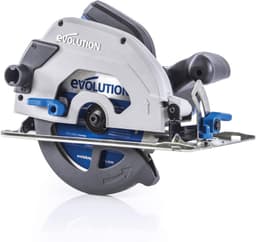
Start with the carton and the lead. These saws are 230 V, and a UK socket takes a BS 1363 plug. The Evolution R185CCSX track listing states an EU plug in the track bullet, so look before you run an extension lead across a wet floor. Confirm the blade matches the cut. The S185CCSL bullets specify a mild-steel TCT blade. The R185 bullets specify a multi-material TCT blade. If the blade will not change, stop. Support the work in two places and clamp the keeper side. Set the depth so the teeth pass through and a little beyond. Evolution listings state an adjustment up to 64 mm. That scale is not a licence to bury the blade in thick plate. If you are still holding a grinder, the TCT versus abrasive page is the fork.

PPE and noise

Plan ear defenders before the first trigger pull. HSE engineering noise tables put circular sawing of metal at roughly 95–105 dB(A). Eyes mean safety glasses that stay on. Hearing protection means defenders or plugs for that level, not earbuds. Gloves are the awkward item. HSE guidance on metal-cutting circular saws flags entanglement. A loose cuff near a tooth is worse than a bare hand kept on the handles. If you want a glove for the sharp edge, put it on after the plug is out, when you deburr. Extraction does not replace glasses.

Making the cut

Let the blade reach speed, then enter the metal. There is no seconds-per-metre figure on these listings. If the motor note drops, the edge colours, or the saw climbs out of the line, you are asking too much of that thickness. Ease off. Do not force a stall. Keep the shoe flat. If the guard does not return, unplug and sort it. Do not wedge it open. Use a track only on a saw sold for one. The R185CCSX includes 1,020 mm of rail. The R185CCS listing says it is not track compatible. The track does not increase thickness.

After the cut

Unplug before you deburr, clear swarf, or inspect the teeth. HSE’s note is that you do not clear swarf while the machine is running. Use a brush, not your hand. “Instantly workable” is a manufacturer claim, not a weld procedure. Check the teeth after nails. A pallet reviewer on the R185CCSX+ got through ringshank nails. Stop and use a fabricator when the member is load-bearing, the thickness is above the figure for that model, the guard will not close, or the motor smokes. Smoke on first use is already a defect theme in these files. That is a return conversation under the Consumer Rights Act, not a running-in period.

Common questions

What PPE do I need in a garage?
Eye protection and hearing protection, every time you cut metal. HSE tables put circular sawing of metal at roughly 95–105 dB(A), and a UK S185 reviewer says the saw is loud and that you should wear glasses. Keep loose cuffs away from the blade because of entanglement. Put a glove on for deburring only when the saw is unplugged. A vacuum on the port helps you see the line. It does not replace glasses, and it may refuse hot swarf.
How do I clamp sheet metal safely?
Support both sides and clamp the keeper to a bench so the sheet cannot lift into the blade. Let the waste drop clear instead of twisting. Do not cut on the ground. A track, if the saw accepts one, must be fixed as well. The R185CCS is listed as not track compatible, so a clamp and a marked line are the setup for that model. Short offcuts are the pieces most likely to grab.
How fast should I feed the saw?
There is no feed speed in these listings. Bring the blade up to speed, keep the shoe flat, and slow down when the motor note changes or the edge heats. A 5 mm plate review on the S185 describes an easy cut, which is not a pace to copy on thicker steel. Forcing a stall is how smoke themes start. If you cannot stay inside the published thickness, change tool.
How do I clear swarf safely?
Unplug first. HSE guidance tells you not to clear swarf with the blade running. Use a brush, and check the guard has returned before you put the saw away. Read the vacuum’s rules before you suck hot chips. Chips left in the guard make the next cut stiff. Deburr the edge in the same unplugged pause, because a “no burr” bullet is not a promise you can skip the file.
When should I stop and use a professional?
Stop if the steel is load-bearing, if hot work is banned, if the thickness is above the published capacity, or if the guard sticks or the motor smokes. A dealer’s 8 mm plate example applies to the S185CCSL as published data, not to every saw you own. Consumer Rights Act remedies cover a faulty new tool. They do not cover a bad cut in a structural member.

Related pages

Sources

Public UK sources and the amazon.co.uk listings compared on this page. Listings captured 20 October 2026.

  1. HSE EIS12: metal-cutting circular saws (retrieved 20 October 2026)
  2. HSE: engineering noise (retrieved 20 October 2026)
  3. Evolution R185CCS on amazon.co.uk (retrieved 20 October 2026)
  4. Evolution S185CCSL dealer specification (retrieved 20 October 2026)
  5. Consumer Rights Act 2015, section 9 (retrieved 20 October 2026)
  6. HSE: PUWER overview (retrieved 20 October 2026)
  7. Evolution RAGE multi-material saws (retrieved 20 October 2026)