Independent comparisons. We may earn from shop links. More info

How to plant viburnum

Updated: October 2026

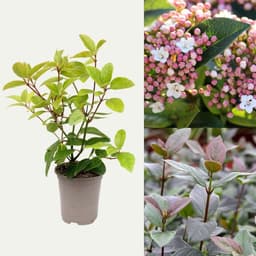
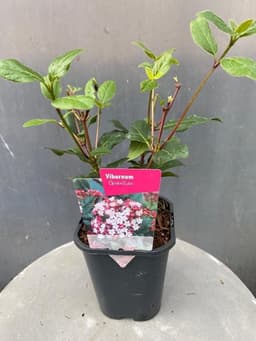
A 9 cm or 11 cm viburnum has arrived, or you are about to order one, and you want it in the ground before the compost dries in the pot. This is how to plant viburnum when the plant is an evergreen Viburnum tinus from this amazon.co.uk set: season, depth, and water for two years. The [viburnum plant comparison](/hub/plant-accessories/viburnum-plant) is where the eight listings are ranked. We did not plant a trial row. A qualifying purchase can earn a commission at no extra cost to you.

A 9 cm or 11 cm viburnum has arrived, or you are about to order one, and you want it in the ground before the compost dries in the pot.

Our top picks

On this page

When to plant

The RHS says evergreens, including laurustinus, are best planted in early spring or autumn. Deciduous viburnums can go in from autumn to early spring if the soil is not frozen or sodden. Other seasons are possible only if you water, and the same guidance tells you to avoid hot, dry spells. A 9 cm Carbeth pot or the 11 cm 'Gwenllian' is still a small root ball. Mid-July on a baked London clay, with no one home to water, is the case to postpone. The viburnum plant buying guide is the check that you have a live V. tinus and not a seed packet with a hedge in the title.

Put the root ball in

Stand the pot in water until the compost is moist, then dig a hole wider than the pot and no deeper than the root ball. Set the plant so the top of the compost sits level with the surrounding soil, the same depth it grew in the pot. Burying the stem because the plant looks short is how a 9 cm shrub rots at the neck. Firm gently, water so the soil settles around the roots, and mulch the surface. Keep the mulch off the stem. The RHS watering guidance is about depth, not a weekly slot. In dry spells from spring to autumn, moisten the root zone to about 20–30 cm. Check with a trowel. New shrubs need that attention in year one, and the planting pages extend it to the first two years. There is no litre figure for a 9 cm pot, so this guide will not invent one. A small pot dries faster in a raised bed than the same plant in heavy soil.

Pots and a bad arrival

Both live sellers allow containers. Use a modest pot with drainage holes, then move the plant on as roots fill it. A 9 cm root ball in a large terracotta pot is mostly surrounded by compost that can dry quickly. Deep shade may keep the leaves but weaken flowering, so a seller's full shade bullet does not promise the same display as a brighter position. If one plant arrives with leaf nibbles, white eggs and sticky residue, do not set it against the others. That description is from a 2020 review of the Carbeth three-pack, not a lab, and it is not by itself a viburnum-beetle diagnosis. Isolate the plant, photograph it, and tell the seller if that is the arrival condition. If insects are spreading through other shrubs, call a professional.

What this page will not turn into a method

The five seed listings say easy to grow, or they say nothing useful, and none gives a depth or a month. Sowing them the same weekend as the pot is not a method this page can write, because the files do not contain one. If you wanted a hedge this year, the live 9 cm and 11 cm plants are the ones that exist as plants. They are still small. Spacing for a screen, the May clip, and nests are on the viburnum hedge page. If you are still choosing between an evergreen screen and a native deciduous hedge, that decision is laurustinus or guelder rose. Guelder rose is not among the live pots here.

Common questions

When should I plant an evergreen viburnum in the UK?
Early spring or autumn, which is the RHS window for evergreens. The soil should not be frozen or sodden. Viburnum tinus also wants shelter from cold, drying winds. A nursery rule of thumb puts a very exposed site toward March or April so winter wind does not dry new leaves. That is not a fixed RHS date.
How deep does the root ball sit?
Level with the soil, at the same depth as in the pot. Dig the hole wider than the pot, not deeper than the root ball. Planting the stem below the old compost line to make a short plant look taller risks rot at the neck. Water it in so the soil closes around the roots, then mulch, keeping mulch off the stem.
How often do I water a new shrub?
There is no fixed day of the week in the RHS advice. In dry spells through the first year, and for the first two years on the planting guidance, wet the root zone to about 20–30 cm and check with a trowel. These pages do not give a litre amount for a 9 cm pot, so none is invented here. Weeds beside the stem take that water.
What do I do if one plant arrives with sticky residue?
Keep it apart from the others and contact the seller with a photo. A 2020 review of the three-pack described leaf nibbles, white eggs and sticky residue on one of three plants. That sentence is not a beetle identification. If the problem spreads through the garden, ask a professional. If the plant is dead on arrival, that is a return, not a planting technique.
Can I sow the seed packets the same weekend?
These five files do not give a sowing method, a depth or a germination figure. Easy to grow on a bullet is not a set of steps. This page will not invent one. If the aim is a plant in the ground now, use the live pot. The packets remain an experiment only if you already know how you sow that species.

Related pages

Sources

Public UK sources checked for this comparison, plus the amazon.co.uk listing facts in the display file on 16 October 2026. Shelf prices and star lines are those UK figures. They can change.

  1. RHS: Viburnum tinus (retrieved 16 October 2026)
  2. RHS: Viburnum growing guide (retrieved 16 October 2026)
  3. RHS: Viburnum tinus 'Gwenllian' (retrieved 16 October 2026)
  4. RHS: Viburnum beetle (retrieved 16 October 2026)
  5. RHS: Viburnum opulus (retrieved 16 October 2026)
  6. GOV.UK: Issuing plant passports in Great Britain (retrieved 16 October 2026)
  7. APHA: Protecting online plant buyers, 31 January 2025 (retrieved 16 October 2026)
  8. BTO: Berry identification guide (retrieved 16 October 2026)
  9. Wildlife and Countryside Act 1981, section 1 (retrieved 16 October 2026)