Independent comparisons. We may earn from shop links. More info

Viburnum plant buying guide

Updated: October 2026

You have a gap in a border, or a fence that looks bare in January, and a search for a viburnum plant has dropped you into 9 cm shrubs and seed packets at almost the same price. This guide puts the choices in order before you compare pounds. The [viburnum plant comparison](/hub/plant-accessories/viburnum-plant) ranks the eight kept amazon.co.uk listings. We checked those listings and did not grow the plants. A qualifying amazon.co.uk purchase can earn us a commission at no extra cost to you.

You have a gap in a border, or a fence that looks bare in January, and a search for a viburnum plant has dropped you into 9 cm shrubs and seed packets at almost the same price.

Our top picks

On this page

Plant or seed

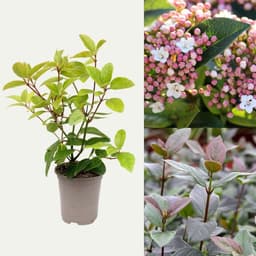
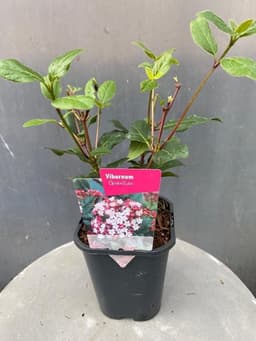
A live plant can go into soil or a patio pot this spring or autumn. A packet cannot. Chelsea Direct sells one Viburnum tinus 'Gwenllian' in an 11 cm pot, about 30 cm on the arrival bullet, at about £14.02. Carbeth sells one Viburnum tinus Purpureum in a 9 cm pot at about £9.99, and three of the same pot at about £16.99. Those are the only rooted plants in the set. The other five listings are seed, about £13.50 to about £14.47. Generic tinus titles say 10 seeds, or 20, while the item count or a bullet says 1. SVI's arrow wood packet states 10 pieces and gives no Latin name. The Viburnum trilobum packet is not laurustinus. None of them gives a depth, a month or a germination figure. If the job is leaves this year, leave the packets. Who each live listing is for is on the best viburnum plant page.

Which viburnum the title actually names

Evergreen winter flower, in this set, means Viburnum tinus, also called laurustinus. The Royal Horticultural Society marks the species hardy to H4, about −10 to −5°C, which covers most of the UK, and records it as not native. Flowers come from pink buds in late winter and spring, then blue-black berries. RHS fruit advice is the line to keep: ornamental, not to be eaten. Viburnum opulus, guelder rose, is the native deciduous shrub, with red fruit for birds and a bare winter. It is not among the live plants here. The laurustinus or guelder rose page is where you choose between those two jobs. 'Gwenllian' and 'Eve Price' both have an RHS Award of Garden Merit. 'Eve Price' is not an ASIN in this set. Carbeth's Purpureum is a selling name, and this pass found no RHS page for that exact name. Viburnum trilobum sits, on the RHS synonym list, with Viburnum opulus var. americanum. That is not a native guelder-rose hedge, and it is not an evergreen screen.

Pot size and the hardiness line

The plant you unpack is the size on the listing, not the height it may reach in ten years. Chelsea Direct's bullet says an 11 cm pot and about 30 cm. A separate height attribute on the same file says 1 metre. Keep both figures. Do not average them. The Carbeth pots are 9 cm, and the files do not state a foliage height. One review on the single said the plants were a bit small and then doing ok, against 4.1 from nine ratings. An 11 cm 'Gwenllian' is still a young shrub, not a finished hedge. Hardiness on the Chelsea Direct file is printed as USDA zone 6–9. The RHS code for the species and for 'Gwenllian' is H4. Do not translate the zone into H4. Once the pot and the label make sense, how to plant viburnum covers season and the first two years of water.

Passport and fruit

Distance sellers of plants for planting in Great Britain must send a UK plant passport with online orders. APHA reported that more than 20 per cent of a 2024 check of 100 online sellers were not authorised. That is not a verdict on Carbeth or Chelsea Direct. These files do not show a passport. When the parcel arrives, look for one, and ask the seller if it is missing. The RHS says the fruit of V. tinus is ornamental and not to be eaten, including where pets are concerned. The same warning applies to V. opulus.

Common questions

Is a viburnum an evergreen?
Only some of them. Viburnum tinus, laurustinus, keeps its leaves and flowers in late winter and spring. Viburnum opulus, guelder rose, is deciduous, so a hedge of it is bare in January. The live plants in this amazon.co.uk set are all V. tinus. The V. trilobum seed is not that evergreen.
What is the difference between a 9 cm pot and a 2 litre pot?
A 9 cm pot is a young plant. Carbeth's listings are that size and do not state how tall the foliage is on arrival. A 2 litre pot is the next nursery step. Crocus and Primrose showed 2 litre V. tinus at £24.99 on this pass, against 9 cm plants under £10 on those same nursery pages. The 2 litre size is not in this Amazon set.
What does USDA zone 6–9 mean on the Gwenllian listing?
It is the hardiness line printed on the Chelsea Direct file for B0HL9438L8. It is not an RHS code. The RHS rates V. tinus and 'Gwenllian' at H4, hardy through most of the UK at about −10 to −5°C. Leave the USDA zone as the listing wrote it. Do not convert it into H4 yourself.
Is Purpureum the same as 'Gwenllian' or 'Eve Price'?
No. 'Gwenllian' and 'Eve Price' are published cultivars, both with an RHS Award of Garden Merit. 'Eve Price' is not in this set. Carbeth Purpureum is the selling name on the about £9.99 plant and the about £16.99 three-pack. This pass found no RHS page for that exact name.
Can I eat the berries?
No. The RHS describes the fruit of Viburnum tinus and of Viburnum opulus as ornamental and not to be eaten. That includes pets. If someone is ill after eating the fruit, contact NHS 111. If a pet is ill, contact a vet. Do not treat a garden-magazine note about 'Gwenllian' as a reason to ignore the RHS line.

Related pages

Sources

Public UK sources checked for this comparison, plus the amazon.co.uk listing facts in the display file on 16 October 2026. Shelf prices and star lines are those UK figures. They can change.

  1. RHS: Viburnum tinus (retrieved 16 October 2026)
  2. RHS: Viburnum growing guide (retrieved 16 October 2026)
  3. RHS: Viburnum tinus 'Gwenllian' (retrieved 16 October 2026)
  4. RHS: Viburnum beetle (retrieved 16 October 2026)
  5. RHS: Viburnum opulus (retrieved 16 October 2026)
  6. GOV.UK: Issuing plant passports in Great Britain (retrieved 16 October 2026)
  7. APHA: Protecting online plant buyers, 31 January 2025 (retrieved 16 October 2026)
  8. BTO: Berry identification guide (retrieved 16 October 2026)
  9. Wildlife and Countryside Act 1981, section 1 (retrieved 16 October 2026)