Independent comparisons. We may earn from shop links. More info

Wooden trellis or metal obelisk: which support fits?

Updated: October 2026

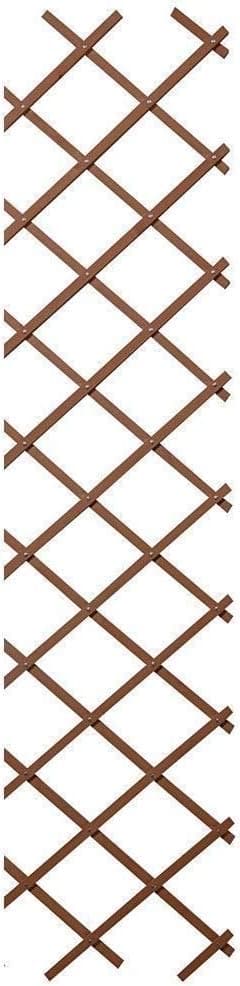
Choosing a wooden trellis or metal obelisk is usually a question about position before it is a question about material. An expanding wooden lattice borrows strength from a fence or wall. An obelisk stands in a bed or pot and gathers stems around a central frame. The coated frames in this comparison complicate the label, because metal tubes or cores are combined with plastic rings or grids. Prices and full specifications are on the [main lawn trellis comparison](/hub/plant-accessories/lawn-trellis). The aim here is one conditional choice: wood on a sound surface for a suitable light climber, or a freestanding frame where there is no wall. A qualifying purchase can earn us a commission at no extra cost to you.

Choosing a wooden trellis or metal obelisk is usually a question about position before it is a question about material. An expanding wooden lattice borrows strength from a fence or wall.

Our top picks

Gardman Gardman 07250 lattice

Best overall

Gardman Gardman 07250 lattice
9.3/10about £7.14
RAM ONLINE RAM 2 m obelisk

Rank 2

RAM ONLINE RAM 2 m obelisk
8.5/10about £8.95
KANTA KANTA 3-pack lattice

Best value

KANTA KANTA 3-pack lattice
8.9/10about £13.99
On this page

When wooden lattice is the right object

Choose expanding wooden lattice when the plant grows against a fence or wall and the existing structure can accept screws. The six wooden listings here are narrow open lattices rather than framed fencing panels. Gardman is stated at 1.8 x 0.3 m but weighs only 343 g. KANTA, LATERN and Toyosport offer multi-panel claims, while XIANTIAN changes width and height as it expands. Thin lattice suits clematis, jasmine, honeysuckle, annual climbers and a light rose you will tie in. RHS guidance suggests around 5 cm off a wall. Gardman and KANTA reviews show why thin pine needs pilot holes. Treatment slogans are not structural guarantees. Gardman claims FSC timber, KANTA treated pine and Toyosport carbonised wood, but none states a Use Class. LATERN and Toyosport claim a 10 kg hanging load without a wind-load test. Keep light timber clear of soil unless ground contact is specified. If the plant stands in the middle of a border, the lattice has nothing appropriate to borrow strength from.

When an obelisk or coated frame is right

An obelisk gives a climber height and a circular route in open soil. The RAM model has a 2 m size line, a separate 190 cm dimension and legs claimed to penetrate 40 cm. It weighs 1.26 kg and costs £8.95 in the captured data. Its painted metal frame makes it the clearest traditional obelisk here, but no rust rating or load is stated, and UK reviewers describe bolted assembly despite the listing saying that none is required. MYMULIKE is a five-tier, 165 cm frame with coated metal tubes but plastic rings and heads. It can spread light stems around a bed or pot, but reviews include snapped joints. Skip it if you need metal rings. Flowlamp's claimed steel-core posts and plastic grid can form a panel, triangle, column or tiers. Its 65-inch title conflicts with a 160 cm dimension. Metal does not automatically mean stronger. Compare construction, joints, coating and anchorage rather than the material word alone.
Gardman Gardman 07250 lattice

Testsieger

Gardman Gardman 07250 lattice
9.3/10about £7.14

Let the plant decide, not the slogan

Clematis and honeysuckle can wind through lattice or around an obelisk, so position and mature size decide the form. Clematis montana can outgrow a modest 2 m obelisk, so check the cultivar. Climbing roses do not cling. Tie young flexible stems with soft twine. Roses around 1.8–2.4 m can suit many obelisks, but vigorous ramblers need an arch or pergola. The light RAM frame has no load rating, so its 2 m height does not prove suitability for every rose. Wisteria leaves this comparison. Mature growth becomes heavy when wet and moving in wind. Neither a 343 g expanding lattice nor a coated frame with plastic rings should carry it. In a pot, a tall support becomes a lever in wind, so use a stable container.

One recommendation, with a condition

Choose expanding wooden lattice on a sound fence for a light climber when you will pre-drill and supply exterior fixings. Gardman has the strongest UK evidence. KANTA offers multi-panel value despite conflicting dimensions. Check height rules if it raises a boundary. Choose RAM when the plant sits in a bed, you want one tall painted obelisk and you are willing to assemble it, check the nuts and prepare the ground. Choose MYMULIKE only if plastic rings are acceptable, and flowlamp only if a plastic grid and configurable shape suit the job. None should be selected for mature wisteria or solely because metal sounds durable. Skip conditions for each listing are on the best garden trellis guide. Once the support arrives, follow how to fix and tie a lawn trellis.

Common questions

Will a wooden lattice rot?
Wood can decay when moisture persists, especially in ground contact. Some listings claim treated, carbonised or anti-corrosion timber, but none states a Use Class. Keep light lattice clear of soil, maintain it according to the maker's instructions and choose specified treated framing for structural boundary work.
Will a metal obelisk rust?
It may. RAM is described as painted metal but has no published rust rating in the captured listing. Inspect coating damage, avoid scraping it during assembly and follow any maintenance instructions. Metal alone does not establish corrosion resistance or service life.
Can I grow a rose on expanding pine?
A light climbing rose can use securely fixed lattice if you tie the flexible stems and the fence is sound. A vigorous rambler needs a larger structure. The expanding products here have no wind-load test, so choose according to mature size rather than the plant's size at purchase.
Are MYMULIKE and flowlamp metal trellises?
Only partly. MYMULIKE uses plastic-coated metal tubes with plastic rings and heads. Flowlamp claims steel-core posts but uses a plastic grid. If you require metal at the points carrying stems, neither listing meets that description throughout.
Which material is better on a fence?
An expanding wooden lattice is the more natural fit in this set because it lies flat and can be screwed to sound backing. The freestanding metal and coated frames are designed for soil or pots. A structural fence topper calls for a framed panel rather than thin lattice.
Which support is better in a pot?
An obelisk or coated frame is usually better because it has legs or lower pipes intended for soil. Use a stable, sufficiently heavy pot and match the frame to the plant's mature size. A tall light support in a small container can overturn in wind.

Related pages

Sources

Public UK sources for fence height, climber training, timber treatment and consumer law, plus the amazon.co.uk listing facts in the display file. Shelf prices and star lines are those UK figures, from about £7.14 to about £29.99.

  1. England Class A: gates, fences, walls and other means of enclosure (retrieved 16 October 2026)
  2. Planning Portal: fences, gates and garden walls (retrieved 16 October 2026)
  3. Scotland Class 3E: gates, fences, walls and other means of enclosure (retrieved 16 October 2026)
  4. Welsh Government: planning permission for fences, gates and garden walls (retrieved 16 October 2026)
  5. Northern Ireland 2015 Order, Part 3, Class A (retrieved 16 October 2026)
  6. RHS: training climbers on planting (retrieved 16 October 2026)
  7. BSI: BS 8417, preservation of wood, code of practice (retrieved 16 October 2026)
  8. Consumer Rights Act 2015, section 9 (retrieved 16 October 2026)