Independent comparisons. We may earn from shop links. More info

Trellis on fence planning permission across the UK

Updated: October 2026

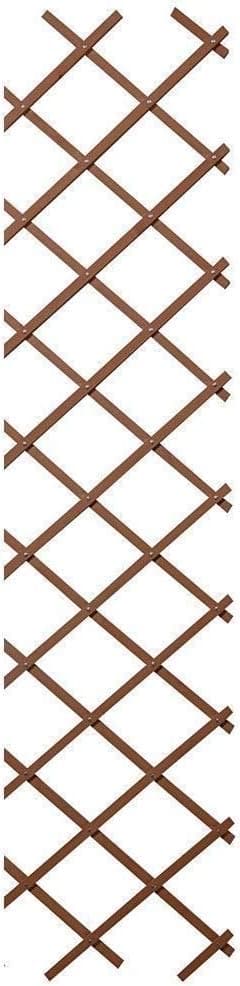
Adding a narrow lattice to a 1.8 m boundary can feel like gardening rather than building, but the planning question is the finished enclosure, not whether leaves will cover it. Trellis on fence planning permission rules differ across England, Scotland, Wales and Northern Ireland, and local restrictions can remove rights that normally apply. A freestanding obelisk in a bed is a different object, although that does not make every large garden structure automatically exempt. Measure before buying a topper, identify your UK nation and ask the local planning authority when the site or rule is uncertain. Product choice remains on the [lawn trellis comparison](/hub/plant-accessories/lawn-trellis).

Adding a narrow lattice to a 1.8 m boundary can feel like gardening rather than building, but the planning question is the finished enclosure, not whether leaves will cover it.

Our top picks

Gardman Gardman 07250 lattice

Best overall

Gardman Gardman 07250 lattice
9.3/10about £7.14
RAM ONLINE RAM 2 m obelisk

Rank 2

RAM ONLINE RAM 2 m obelisk
8.5/10about £8.95
KANTA KANTA 3-pack lattice

Best value

KANTA KANTA 3-pack lattice
8.9/10about £13.99
On this page

When trellis becomes part of the fence

A trellis fixed on top of a boundary fence is normally considered with the fence as a means of enclosure. Measure the finished height from ground level, not the 30 cm width printed on an expanding panel. A 1.8 m fence plus a 0.3 m topper reaches 2.1 m. Calling the upper section decorative does not subtract it from the enclosure. A freestanding obelisk set inside a bed is not automatically part of the boundary. It is not measured with the fence merely because both carry climbers. Describe whether the structure is attached to the enclosure, how far it stands from the boundary and its finished height. Listed status, conservation-area rules, Article 4 directions and planning conditions may change the answer. Permission does not settle ownership or a private covenant.

England: the 1 m and 2 m limits

In England, the Planning Portal says planning permission is normally required when a fence, wall, gate or other means of enclosure would exceed 1 m next to a highway used by vehicles, including the footpath of that highway, or 2 m elsewhere. These thresholds come from Schedule 2, Part 2, Class A of the Town and Country Planning (General Permitted Development) (England) Order 2015. A trellis topper fixed to the fence counts when you calculate that finished height. A boundary beside a vehicular highway or its footpath can face the 1 m threshold. Replacing an existing fence and raising it are different questions. The right does not apply within the curtilage of a listed building, and an Article 4 direction or condition can narrow it.
Gardman Gardman 07250 lattice

Testsieger

Gardman Gardman 07250 lattice
9.3/10about £7.14

Scotland, Wales and Northern Ireland

Scotland uses its own framework. Mygov.scot states 2 m normally, or 1 m where the enclosure faces a road or comes forward of the principal or side elevation towards a road. The right does not apply in a conservation area or within listed-building grounds. In Wales, GOV.WALES uses 1 m next to a vehicular highway or its footpath and 2 m elsewhere. Article 4, planning conditions or listed curtilage can alter the result. Altering without increasing height differs from raising. Northern Ireland's separate Order uses broad thresholds of 1 m next to a road used by vehicular traffic and 2 m elsewhere, with its own wording and exclusions for matters including private streets and listed buildings. Do not substitute the English Order. Once permission is settled, how to attach a lawn trellis covers the fixing.

What the planning rules do not decide

Permission does not prove that a fence can carry a trellis and a mature plant. If the boundary moves under hand pressure, ask a fencer to inspect it. A framed topper needs a system supported by suitable posts. The rules do not decide ownership. Work to a party fence wall may require notice under the Party Wall etc. Act 1996 in England and Wales. A proposal can be permitted development while breaching a private covenant. Call the authority if the proposal exceeds a threshold or special controls may apply. If the boundary is unsuitable, compare a bed support in the wood-or-metal guide.

Common questions

Does trellis on a 1.8 m fence need permission in England?
If a topper raises the finished enclosure above 2 m away from a vehicular highway, planning permission is normally required in England. A 1.8 m fence plus 0.3 m trellis totals 2.1 m. Beside a vehicular highway or its footpath, the normal threshold is 1 m, subject to site-specific restrictions.
Is fence height measured from the pavement or my garden?
The English permitted-development rule refers to height above ground level, but changes in level can make the correct measuring point contentious. Do not choose whichever side produces the lower figure. Provide the council with photographs, boundary sections and measurements from both sides when ground levels differ.
What if the fence was already over 2 m?
An existing higher enclosure can affect what may be replaced or altered, but it does not create an unlimited right to raise it further. Keep evidence of the lawful former height and ask the local planning authority how the relevant national rule applies before adding trellis.
Does an obelisk in a lawn need planning permission?
A freestanding plant support inside a bed is not automatically a boundary enclosure, so the fence-height rule does not simply transfer to it. Its size, position, listed status, planning conditions and other restrictions can still matter. Ask the local authority about unusually large or boundary-like structures.
Is the rule different in a Scottish conservation area?
Yes. Scottish householder permitted-development rights for fences and walls do not apply in conservation areas under the cited Class 3E guidance. Contact the Scottish planning authority before erecting or raising the enclosure, even if it would otherwise sit within the general 1 m or 2 m threshold.
Do fences need building regulations approval?
The Planning Portal says a fence, gate or garden wall does not normally require building regulations approval in England, but it must be structurally sound. That answer does not grant planning permission and does not confirm that old posts can carry a topper and a mature climber.
Who should I ask about a shared or weak fence?
Ask the local planning authority about permission and site restrictions, and a competent fencer about posts, rails and anchorage. Establish ownership before drilling a shared boundary. For a party fence wall, obtain advice on whether neighbour notification or the Party Wall etc. Act 1996 applies.

Related pages

Sources

Public UK sources for fence height, climber training, timber treatment and consumer law, plus the amazon.co.uk listing facts in the display file. Shelf prices and star lines are those UK figures, from about £7.14 to about £29.99.

  1. England Class A: gates, fences, walls and other means of enclosure (retrieved 16 October 2026)
  2. Planning Portal: fences, gates and garden walls (retrieved 16 October 2026)
  3. Scotland Class 3E: gates, fences, walls and other means of enclosure (retrieved 16 October 2026)
  4. Welsh Government: planning permission for fences, gates and garden walls (retrieved 16 October 2026)
  5. Northern Ireland 2015 Order, Part 3, Class A (retrieved 16 October 2026)
  6. RHS: training climbers on planting (retrieved 16 October 2026)
  7. BSI: BS 8417, preservation of wood, code of practice (retrieved 16 October 2026)
  8. Consumer Rights Act 2015, section 9 (retrieved 16 October 2026)