Independent comparisons. We may earn from shop links. More info

Wax or silicone lubricant for wood

Updated: October 2026

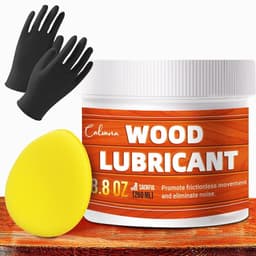
When a wooden drawer sticks, a wax stick and a silicone aerosol may both appear to promise an easier slide. The right answer depends on the moving surfaces: for indoor wood rubbing on wood, wax is the safer default, while silicone can suit a separately specified metal, rubber or plastic mechanism. The [main wood lubricant comparison](/hub/paints-and-varnishes/wood-lubricant) therefore keeps wax sticks and pastes rather than mixing in sprays. Here is how to choose without claiming that every drop of silicone damages every piece of timber.

When a wooden drawer sticks, a wax stick and a silicone aerosol may both appear to promise an easier slide.

Our top picks

On this page

What each one leaves behind

Hard wax and drawer paste create a local film on the points that touch. You rub a stick along a rail or spread a small amount of paste with a cloth, then move the drawer to distribute it. The product remains where you placed it, which makes it comparatively easy to keep off the drawer front, stored contents and adjacent finishes. Paraffin, beeswax and unscented candle wax are all named by UK furniture or woodworking sources for runners. A silicone aerosol is a more complex formulation delivered in a fine spray. The propellant and carrier help distribute the lubricant, but they also create overspray and vapour that a solid wax does not. A can may list wood alongside rubber, plastic and metal without distinguishing a hidden raw runner from a visible surface that may later be painted, glued or refinished. “Safe on wood” is therefore not the same decision as “appropriate for this wooden runner”. For a traditional indoor drawer, wax wins on control. Put a thin film on the clean rubbing faces, cycle the drawer and wipe away excess. You do not need to fog a cupboard interior or coat the surrounding cabinet. The conditional recommendation matters: it applies to dry wood-on-wood contact, not to a metal bearing slide hidden beneath a wooden box.

Historic finishes and bare wood

Historic furniture deserves a stronger presumption against spray. Icon, the UK professional body for conservation, advises against spray polishes and silicon-containing polishes on historic furniture. The concern is not a claim that one light application instantly ruins every finish; it is that an unnecessary material may spread over a valuable surface and complicate future care. A stable hidden runner can be treated locally with wax, but a lifting finish should be left for a conservator.

When silicone is the reasonable product

Silicone can be appropriate where the moving components are rubber, plastic, uPVC or metal and the product maker specifies it for that job. Examples may include a uPVC window track, a rubber seal or a light metal mechanism. Even then, clean debris first and check the equipment instructions; silicone is not a remedy for bent channels, loose screws or failed bearings. For actual wooden runners, the wood lubricant buying guide explains how to choose between a hard stick and paste. The difference is mainly control and quantity: a stick suits narrow occasional work, while paste can cover broader contacts but is easier to over-apply. Neither format needs the aerosol precautions of silicone spray.

If the product is an aerosol

Read the can before use. In Great Britain, hazardous mixtures fall under GB CLP classification and labelling, and aerosols have additional rules concerning safety and flammability. Northern Ireland follows a different chemical-regulation route for goods placed on its market, so the label on the product you receive is the practical source of instructions. Do not decant or ignore warnings because a retailer describes the product as multipurpose. RoSPA advises using aerosols in short bursts in a well-ventilated room and keeping them away from flames and pilot lights. Do not pierce the can or leave it in high heat. Those are relevant differences when the proposed job is inside a drawer, cupboard or wardrobe. A solid wax stick avoids propellant, airborne mist and flammable vapour from the application method.

Common questions

Should I use wax or silicone on a wooden drawer?
Use a wax stick or paste when clean wood rubs directly on wood. It allows a thin, controlled film on the contact line. Consider silicone only when the moving part is a metal, rubber or plastic mechanism whose maker permits that lubricant.
The can lists wood. Is that enough?
No. The word wood does not distinguish a hidden runner from a visible finish or unfinished timber that will later be coated. Check the exact application, the manufacturer’s directions and your future finishing plans before putting an aerosol on the piece.
Will silicone stop me staining or gluing later?
It can create an avoidable contamination concern if it reaches an area intended for finishing or bonding. The available research does not quantify the effect for every product and coating. Keep silicone away from such areas and follow the stain, varnish or adhesive maker’s preparation guidance.
Is silicone better on a metal runner?
Not automatically. Some metal or plastic mechanisms may specify silicone, while others are maintenance-free or require another product. Clean the slide, check alignment and use the hardware maker’s recommendation. A lubricant cannot correct bent channels or loose screws.
Can I use silicone on an antique?
Icon advises against spray polishes and silicon-containing polishes on historic furniture. For a stable wooden runner, use a controlled local wax application instead. If the finish is lifting, the piece is valuable or silicone has already spread, stop and consult a conservator.
Is an aerosol safe inside a cupboard?
Only if its label permits the use and you follow the precautions. RoSPA recommends short bursts, good ventilation and separation from flames or pilot lights. Remove stored items and control overspray. A wax stick avoids the airborne application altogether.
What should I do if I already sprayed it?
Ventilate the room and follow the can’s instructions. Wipe only as the manufacturer permits, and do not add solvents or more lubricant to counteract it. For valuable furniture or an affected finish, record the product name and ask a conservator for advice.

Related pages

Sources

Public UK sources used for the labelling and care points on this page. Prices, stars and review counts are from the amazon.co.uk listings on 15 October 2026.

  1. HSE — The GB CLP Regulation (retrieved 15 October 2026)
  2. GOV.UK — Aerosol Dispensers Regulations 2009 (retrieved 15 October 2026)
  3. RoSPA — Aerosol safety advice (retrieved 15 October 2026)
  4. SPAB — Sash window maintenance (retrieved 15 October 2026)
  5. Icon — Furniture (retrieved 15 October 2026)
  6. Neptune — Care guides, timber (retrieved 15 October 2026)
  7. CAP Code section 11 (retrieved 15 October 2026)
  8. Consumer Rights Act 2015, section 22 (retrieved 15 October 2026)