Independent comparisons. We may earn from shop links. More info

How to lubricate wooden drawers

Updated: October 2026

If a wooden drawer squeaks but still moves, the answer is usually less wax than you expect. Learning how to lubricate wooden drawers means finding the narrow contact lines, removing grit and leaving a thin film rather than coating the whole box. The [main wood lubricant comparison](/hub/paints-and-varnishes/wood-lubricant) shows suitable sticks and pastes available from amazon.co.uk. This method covers traditional wood-on-wood runners; it does not apply automatically to ball-bearing metal slides or a drawer swollen tight by damp weather.

If a wooden drawer squeaks but still moves, the answer is usually less wax than you expect.

Our top picks

On this page

Find the contact and clean it

Look for polished, shiny or slightly darkened lines on the drawer sides, bottom edges and the runners inside the carcass. Those marks show where wood rubs on wood. A side-hung drawer may run in grooves, while another design rests on rails beneath the box. You need to treat the matching faces that touch, not the drawer front, handles or every unfinished surface. Wipe loose dust and grit away with a dry cloth. Old crumbs, sawdust and hardened deposits can turn a lubricant into an abrasive paste, so cleaning is part of the repair rather than preparation to skip. If an old coating is visibly thick or sticky, remove loose excess gently before adding fresh wax. Do not soak unfinished wood or introduce a solvent unless the furniture maker or a conservator has specified it. Check the hardware while the drawer is out. A loose screw, damaged stop, split runner or missing guide will not be corrected by wax. If you find telescoping metal channels, wheels or bearings, move to the maker’s maintenance instructions. The wooden-drawer troubleshooting guide explains how to distinguish dry friction from swelling and structural faults.

Apply a thin film and cycle the drawer

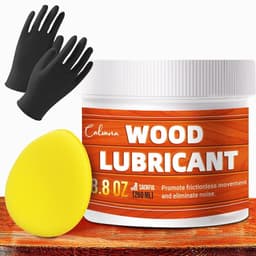
For a hard wax stick, rub one light pass along each wooden contact line on the drawer and its matching runner. The surface should look lightly burnished, not frosted with a thick ridge. UK furniture guidance from Neptune recommends paraffin on contact points and allows unscented candle wax as a quick alternative. UK beeswax products are also sold for drawer runners, and the available evidence does not establish a universal winner between beeswax and paraffin. For paste, put a small amount on a clean cloth and spread it across the same narrow contact area. Calvana’s listing specifies cloth application, which also helps protect your fingers from splinters. If a jar arrives with a brush, use it only as the product directions allow and then level the film rather than leaving blobs in corners. Do not assume an applicator is included unless the listing and pack confirm it; the researched products contain conflicting information on accessories. Refit the drawer and open and close it several times using normal pressure. This movement distributes wax across the high spots and reveals whether you treated the right faces. Take the drawer out once more if practical, then wipe away visible ridges or squeezed-out paste. Also clean any wax from the edge or handle area that your hands, clothing or stored objects might touch.

If it feels worse

A drawer that becomes tacky after treatment usually has too much product or wax sitting on dirt. Resist the instinct to add another coat. Remove the drawer, wipe the contact faces with a clean cloth and cycle it again. Guidance from a paste-wax maker and experience in the researched reviews both point to heavy application as a cause of a sticky first slide.

When wax is the wrong next step

Take extra care with antiques. Icon’s UK conservation guidance advises against silicone-containing spray polishes on historic furniture, and an unstable finish needs professional attention. Keep any wax local to the hidden runner and stop if veneer, paint or polish is lifting. For the product distinction, see wax or silicone lubricant for wood.

Common questions

Where exactly should I put the wax?
Apply it to the shiny wooden faces that rub together: usually a rail, groove, lower drawer edge or side contact. Treat both matching faces lightly. Keep wax off the drawer front, handles, stored contents and decorative finish.
How much is a thin film?
Use one light pass with a stick or a small smear spread until no blobs remain. The contact should feel dry rather than greasy. Cycle the drawer, inspect for squeezed-out material and wipe away anything you can see gathering at an edge.
Should I wax both the drawer and the carcass?
Yes, when both contact faces are accessible and are bare or stable wood. A light film on each matching face distributes more evenly than a thick coat on one. Do not coat unrelated surfaces or transfer the method to metal bearing channels.
Can I use candle wax?
Neptune recommends unscented candle wax as an alternative for wooden contact points. Rub it on at room temperature; do not melt it onto the runner. Choose an uncoloured, unscented candle because dye and perfume offer no benefit.
What if the drawer is sticky after waxing?
Remove it and wipe back the excess with a clean cloth. Clear grit and check that paste has not reached a metal or plastic component. Do not add more product until the existing film feels dry and the actual source of resistance is clear.
How often should I repeat the treatment?
Repeat it when squeaking or drag returns, not to a fixed calendar. If the effect lasts only a short time, inspect for a worn runner, loose guide, overloading or seasonal swelling. Repeated waxing is not a repair for those faults.
When should I call a professional?
Ask a joiner or furniture restorer for help when a runner is split or missing, the drawer racks, a fitted drawer may need planing, or an antique finish is lifting. A conservator is the safer contact for a valuable historic surface.

Related pages

Sources

Public UK sources used for the labelling and care points on this page. Prices, stars and review counts are from the amazon.co.uk listings on 15 October 2026.

  1. HSE — The GB CLP Regulation (retrieved 15 October 2026)
  2. GOV.UK — Aerosol Dispensers Regulations 2009 (retrieved 15 October 2026)
  3. RoSPA — Aerosol safety advice (retrieved 15 October 2026)
  4. SPAB — Sash window maintenance (retrieved 15 October 2026)
  5. Icon — Furniture (retrieved 15 October 2026)
  6. Neptune — Care guides, timber (retrieved 15 October 2026)
  7. CAP Code section 11 (retrieved 15 October 2026)
  8. Consumer Rights Act 2015, section 22 (retrieved 15 October 2026)