Independent comparisons. We may earn from shop links. More info

Felt roof coating: when to coat, patch or re-felt

Updated: October 2026

A damp shed does not automatically mean you need a new roof, but another tin is not always the answer either. Felt roof coating is reasonable when the existing felt is bonded, mostly sound and supported by a firm, dry deck; widespread brittleness, moving laps or soft boards point towards re-felting. This guide helps you make that stop-or-go decision before choosing from our [roof coating comparison](/hub/paints-and-varnishes/roof-coating). It covers small shed, garage and flat felt roofs rather than metal, GRP or clear household sealants. The evidence comes from public guidance, manufacturer instructions and amazon.co.uk listing and review patterns, not a long-term field test.

A damp shed does not automatically mean you need a new roof, but another tin is not always the answer either.

Our top picks

On this page

When a coat is a fair felt repair

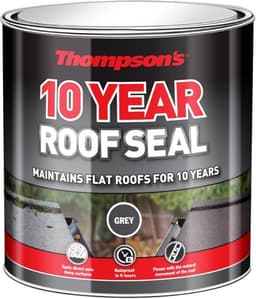
A local hairline crack, weathered patch or limited area around a sound detail can be a sensible coating job. The felt should remain firmly bonded, with no movement under light inspection from a safe position, and the timber below should not feel soft or springy. Several tins in this set explicitly name felt. Thompson’s 10 Year Roof Seal lists felt among its substrates and provides 2 m²/L coverage. Nassboards and Bond It are black bitumen-facing options used for felt-style jobs, although Nassboards publishes no dependable coverage figure in the captured listing. A one-litre tin can make sense for a small repair, while a five-litre bitumen product may suit a larger sound surface if its solvent handling and black finish are acceptable. Our best roof coating by job page compares those roles without declaring one product best for every felt roof.

When the felt itself has failed

Re-felting becomes the stronger option when cracks cover much of the roof, the surface has turned brittle, laps lift in several places or leaks return in different positions. “Alligatoring” describes a network of broad, scale-like cracks caused by deterioration across the surface. A liquid does not restore the flexibility and bond of a failed covering. The deck is the clearest stop sign. Spongy boards, sagging, persistent damp beneath the felt or movement under load require investigation and likely replacement of damaged material. Adding a waterproof film above trapped moisture can hide deterioration rather than cure it. Failed edges and laps matter as much as the field of the roof. Wind-driven rain can enter beneath a lifted perimeter even if the centre has a fresh coat.

Blisters and ponds need separate decisions

A blister is a raised pocket beneath the felt, often involving trapped air or moisture. Thompson’s preparation guidance says to cut blisters, dry ponded water and tack the felt before applying its coating. That does not mean every bubble should be opened without a plan: follow the repair detail for the chosen system so the cut is re-bonded and sealed rather than left as another entry point. Standing water is a different defect. A coating can be water-resistant, and some liquid systems are specified to tolerate ponding, but it cannot build a reliable fall simply by being poured into a hollow. Liquid Roofing and Waterproofing Association guidance maintains the need for drainage falls. If a depression persists after rain, investigate the deck and drainage instead of assuming a thicker black coat will make the geometry irrelevant. Where the roof is structurally sound but occasional water remains, compare the documentation behind silicone roof coating vs bitumen. A marketplace ponding claim is not equivalent to a designed system naming substrate, primer and film build. If the hollow results from a sagging or rotten deck, neither chemistry is the correct first repair.

What the felt reviews actually show

Captured reviews for Thompson’s and Nassboards include reports that shed and garage felt leaks stopped after application. Those comments are useful evidence of the jobs buyers attempted and of short-term handling, but they do not prove a decade of service or show what happened beneath every roof. The “10 Year” wording in Thompson’s product name therefore needs the conditions supplied by the maker. It must not be presented as ten years measured by this comparison. Roof exposure, preparation, movement, coverage and maintenance can all alter the result. Before any DIY work, remember that a felt deck which feels soft may also be unsafe to stand on; HSE fragile-roof guidance takes priority over reaching the suspected leak.

Common questions

Can you coat old roofing felt?
Yes, when the felt remains bonded and reasonably flexible over a firm, dry deck and the coating maker names felt as a compatible substrate. Clean and repair it as that system directs. Do not coat over widespread brittleness, moving laps, trapped moisture or soft boards simply to postpone a necessary re-cover.
What does alligatoring mean?
Alligatoring is a widespread network of scale-like cracks in an aged roof surface. It indicates broader deterioration rather than one isolated split. A coating may mask the appearance temporarily, but extensive cracking is a reason to assess replacement, especially when leaks move or the felt has become brittle.
When is a patch enough on a shed?
A patch may be enough when one small defect is clearly identified, surrounding felt is sound and the deck below is firm and dry. The patch material must suit felt and overlap onto well-bonded material as its instructions require. Repeated leaks in different places suggest the covering needs wider attention.
Do blisters need cutting before coating?
They need treatment rather than automatic burial. Thompson’s tells users to cut blisters during preparation, while professional systems may specify opening, drying and re-bonding or removing failed felt. Follow the selected system’s detail; an improvised cut that is not re-sealed can create a fresh leak.
Will coating fix water sitting in a hollow?
No coating creates a proper drainage fall by itself. A compatible system may tolerate some ponding, but the hollow and its cause remain. Check outlets, deck condition and falls, and seek professional advice if the deck sags or deep water persists after normal drying weather.
When should you re-felt instead?
Re-felt when the covering is brittle across a broad area, laps or edges have failed repeatedly, the deck is soft, or leaks keep appearing in new places. Replacement also gives access to inspect wet or rotten boards. Do not walk on a suspect deck to make that assessment.

Related pages

Sources

Public UK sources used for the coverage, drainage and safety points on this page. Prices, stars and review counts are from the amazon.co.uk listings on 16 October 2026.

  1. Thompson's — 10 Year Roof Seal (retrieved 16 October 2026)
  2. Sika — Black Jack 905 product data sheet (retrieved 16 October 2026)
  3. Bond It — bitumen paint technical data sheet (retrieved 16 October 2026)
  4. HSE — Asbestos cement (a16) (retrieved 16 October 2026)
  5. HSE — Paints and solvents (retrieved 16 October 2026)
  6. LRWA — Guidance Note 7 (retrieved 16 October 2026)
  7. Manual to the Building Regulations (retrieved 16 October 2026)
  8. amazon.co.uk — Thompson's 10 Year Roof Seal listing (retrieved 16 October 2026)