Independent comparisons. We may earn from shop links. More info

How to apply bangkirai oil to decking

Updated: October 2026

You have new yellow-balau boards or an older deck that is ready for attention, and a dry weekend is approaching. Knowing how to apply bangkirai oil is less about brushing quickly than waiting for the timber, preparing it correctly and keeping each coat thin. The [bangkirai oil comparison](/hub/paints-and-varnishes/bangkirai-oil) shows the available captured tins; this guide covers the method. The safe sequence is to weather new boards, clean without damaging the fibres, confirm that the wood is dry enough, then apply two thin coats with sufficient drying time.

You have new yellow-balau boards or an older deck that is ready for attention, and a dry weekend is approaching.

Our top picks

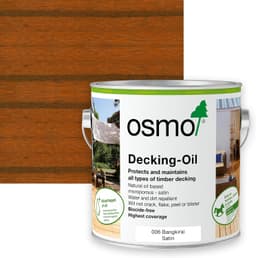
Osmo Osmo 006 Bangkirai Satin 2.5 L

Best overall

Osmo Osmo 006 Bangkirai Satin 2.5 L
9.4/10about £72.31
Osmo Osmo 006 Bangkirai Oil 0.75 L

Alternative

Osmo Osmo 006 Bangkirai Oil 0.75 L
7.4/10about £23.82
On this page

Wait before the first coat

Do not oil a newly installed bangkirai or balau deck in its first week. These dense tropical timbers contain natural extractives and need time outdoors before they can accept the finish reliably. Osmo UK's product page lists a 12-week weathering period for bangkirai and balau and also says tropical species including bangkirai should weather for at least three months. In practice, treat those statements as the same planning window rather than trying to exploit a difference of a few days. If the invoice says yellow balau, the yellow balau and bangkirai guide explains why this process still applies. Older boards need a different judgement. If the surface is merely dirty, clean and dry it. If the wood has already turned grey, do not put pigmented oil straight over the silvered fibres and expect the original colour to return. Osmo directs users to a wood reviver first; its Power-Gel guidance gives about 20 minutes before rinsing and then roughly two to three days before applying a finish, subject to moisture.

Clean, dry and at or below 20% moisture

Begin by sweeping thoroughly and cleaning with a method suitable for exterior timber. Osmo advises against a jet washer because high pressure can damage or raise the wood fibres and alter how much oil the surface absorbs. Use a brush and the recommended cleaner or reviver instead, then rinse as directed without blasting the boards. Allow the whole structure, including shaded areas and board gaps, to dry rather than judging only the sunny edge. The current Osmo UK information gives a maximum timber moisture content of 20% before coating. Check with a suitable moisture meter at several points, particularly near the ground, under furniture and in shade. A single dry reading on the most exposed board is not enough. International product pages may show 18%, but the UK page and UK product sheet use 20%; do not merge those limits into an invented average.

Apply two thin coats

Stir the oil thoroughly before and during use so the pigment remains evenly distributed. Do not thin it. For decking, apply a thin, even coat along the grain with a stiff brush or an Osmo decking brush, working methodically so overlaps do not build into glossy patches. For a small piece of garden furniture, a lint-free cloth may be more controlled, but dispose of or store oil-contaminated materials exactly as the safety label directs. Osmo UK states about 12 hours' drying at 23°C and 50% relative humidity, with ventilation, before the next coat. Its ideal air-temperature range is +10°C to 35°C. One captured 750 ml Amazon listing instead states 8–10 hours and +5°C to 35°C; use the current UK product sheet and the label on your tin where marketplace text differs. Apply the second thin coat only when the first is properly dry, using the same direction and restraint. For help selecting natural 006 or dark 016, see the shade comparison.

Recoat when worn, and know when to stop

Inspect the deck at least yearly and recoat when wear becomes visible rather than relying on a fixed service life. Osmo's maintenance approach is one coat without sanding when the existing compatible finish is sound and the surface has been cleaned correctly. Exposure varies: a south-facing walkway, an area beneath a dining table and a shaded corner do not wear at the same rate. A merchant's spring-and-autumn suggestion for avoiding strong sun is useful scheduling advice, not a national twice-yearly recoating rule. Good application starts before the brush touches the wood: waiting and moisture control will usually matter more than trying to rescue a rushed job with an extra-thick coat.

Common questions

How long should new bangkirai weather before oiling?
Osmo UK lists 12 weeks for bangkirai and balau and at least three months for tropical species including bangkirai. Plan on roughly three months outdoors, then clean the surface and confirm it is dry enough before coating.
What is the moisture limit?
The Osmo UK page and UK product information use a maximum of 20% moisture. Take readings at several representative points, including shaded boards. Do not substitute the 18% figure found on some international pages for the current UK instruction.
Can I jet-wash the deck first?
Osmo advises against jet washing because it can damage or raise timber fibres and affect coverage. Sweep and clean with an appropriate brush and product, rinsing as directed without high pressure, then allow the boards to dry fully.
Can I oil grey bangkirai directly?
Not if you want to restore the underlying wood colour. Use a suitable wood reviver on the grey fibres first, rinse according to its instructions and allow roughly two to three days to dry, subject to a moisture check.
How many coats does bare decking need?
The Osmo UK system specifies two thin coats for bare wood, with about 12 hours' drying under stated conditions. Thick coats are not a shortcut: they can remain tacky, dry unevenly and leave an inconsistent finish.
When should I call a professional?
Get help for soft or loose boards, decay within the timber, an unknown old coating or biocide, or a public or workplace deck. Those conditions involve structural, compatibility or duty-of-care questions that a fresh oil coat cannot solve.

Related pages

Sources

Public UK sources for the timber, the coating class and the solvent points. Prices, stars and review counts are the captured amazon.co.uk lines, not a live check on 15 October 2026.

  1. Osmo UK — Decking-Oil (retrieved 15 October 2026)
  2. Osmo UK — Decking oils product information (retrieved 15 October 2026)
  3. The Volatile Organic Compounds in Paints, Varnishes and Vehicle Refinishing Products Regulations 2012, Schedule 2 (retrieved 15 October 2026)
  4. HSE — Solvents (retrieved 15 October 2026)
  5. TDCA — Deck finishes (retrieved 15 October 2026)
  6. Brooks Timber — decking sheet (retrieved 15 October 2026)
  7. Southgate Timber — Osmo 006 bangkirai decking oil (retrieved 15 October 2026)
  8. Consumer Rights Act 2015, section 9 (retrieved 15 October 2026)