Independent comparisons. We may earn from shop links. More info

Bee pasture seed mix buying guide

Updated: 22 October 2026

You are scrolling amazon.co.uk with a fence line or a bare corner in mind, and every pouch promises bees, wildflowers or stewardship seed. This bee pasture seed mix page is for the moment before you measure the ground: what a packet must state, and which words are decoration. Prices, species lines and star ratings for the nine packs sit on the [bee pasture comparison](/hub/ornamental-plants/bee-pasture). Peter F. used the amazon.co.uk capture of 20 October 2026. We did not germinate the seed in a lab. A qualifying purchase through our links can earn a commission at no extra cost to you.

You are scrolling amazon.co.uk with a fence line or a bare corner in mind, and every pouch promises bees, wildflowers or stewardship seed.

Our top picks

On this page

What a bee pasture seed mix has to show

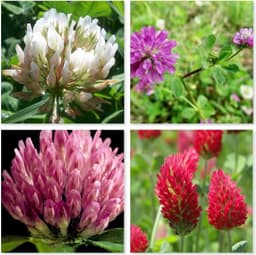
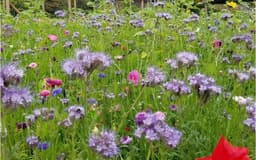
A usable packet names the species, states the weight in grams or kilograms, and gives one sowing rate you can multiply by your square metres. Garden mixes sit around 3 to 5 grams per square metre. GOV.UK’s CAB19 example is 15 kilograms per hectare on ordinary soils, or 20 on heavier ground, about 1.5 to 2 grams per square metre. A 500 g pouch whose title claims 100 square metres is not that rate. The Royal Horticultural Society plants-for-pollinators list includes red clover, white clover and bird's-foot trefoil. Phacelia, Persian clover, crimson clover, sweet clover and blue lupin appear on several bullets here and are not a white-clover lawn. A wild word in a title is not permission to sow a verge you do not manage. Check the job, then the recipe, then grams and one rate. If those fail, the star line cannot rescue the packet.

A scheme mix is not a garden subtitle

Countryside Stewardship and Sustainable Farming Incentive pollen mixes are agreed with Natural England. The live CAB19 rate is £739 per hectare, not the archived £511. CAHL1, for SFI26, is grass-free: at least six flower species, no single species over 50 percent by weight, and at least two from a named list that includes knapweed, musk mallow, oxeye daisy, wild carrot and yarrow. A bullet that only says AB1 Stewardship Seed is not a percentage recipe. The 1 kg pollen mix at about £29.99 names eight species while the title says ten, and it carries that word. It is not the published CAHL1 list. On scheme land, use the list your adviser signed. Pack choice for a garden patch is on the best bee pasture seed page.

Where the labels in this set fall short

The five-type clover mixes at about £3, £5 and £35 name four clovers and leave the fifth name off the page. None has a star line. A count of 3,000 seeds is not a grams-per-square-metre rate. The red and white mix at about £27 for a stated 500 g is the top pick on review depth, 4.1 from 457 reviews, not because anyone weighed the blend. Bullets name white, red, Persian and crimson clover, and one line says 70 percent red and 30 percent white. Reviews include only one colour, and pouches that felt small for the title area. Persian and crimson clover are annuals, so this is not a perennial lawn sow. The white clover pouch also says oxalis in the title. The wider mix prints both 25 g and 2 g per square metre. Sowing steps are on how to sow bee pasture.

What to leave alone

Do not sow a verge or any land you do not control. Listed invasive plants must not be planted in the wild in England and Wales. Pet-friendly bullets are not veterinary advice. Bird's-foot trefoil at about £10.99 shows 5.0 from one review with no stored text. A grazed paddock needs a signed mix from a seed merchant. If species, grams and one rate are not all readable, leave the packet.

Common questions

What should a bee pasture seed mix actually list?
You need every species named in the bullets, the pack weight in grams or kilograms, and one sowing rate in grams per square metre that you can multiply by your measured area. A seed count alone, a 100 square metre title, or a stewardship word without the scheme species table fails that test.
How many grams do I need per square metre?
Scheme examples on GOV.UK sit near 1.5 to 2 grams per square metre when converted from kilograms per hectare. Garden bee mixes on specialist UK sites often quote roughly 3 to 5 grams per square metre. Your packet must print one rate. If it prints two conflicting rates, you cannot buy with confidence from that listing alone.
Does AB1 on the packet mean the mix is approved?
No. Approval on scheme land means a mix agreed with Natural England and sown at the published field rates. A consumer bullet that mentions AB1 without knapweed, mallow, oxeye daisy, wild carrot, yarrow and the rest in a percentage table is not that product.
Why does a five-type title only name four clovers?
In this capture the fifth name is missing on the 10 g, 25 g and 1 kg five-type listings. That is a label gap. Do not fill it in from the title. Skip the pouch, or choose a pack whose species line is complete.
Is a wild or wildflower title native British seed?
Not automatically. Several mixes here include Persian clover, phacelia or sweet clover, which are not the same as a native-only claim. Read the species list, and sow only on land you manage. A wildflower word on the title does not override the invasive-plant rules outside your garden.
Can I trust 100 square metres or 3,000 seeds without a gram weight?
Treat them as seller claims. The 500 g mix’s 100 square metre title is disputed in reviews. Seed counts on small pouches are not checked sowing rates. Apply grams times one printed rate, or do not calculate an area from the title alone.

Related pages

Sources

Public UK sources listed below, prices as captured on 20 October 2026. Shelf prices and star lines are the amazon.co.uk figures used in this comparison. The price bands are this set, not a market average.

  1. GOV.UK: CAB19 pollen and nectar flower mix (retrieved 20 October 2026)
  2. RHS: plants for pollinators, wildflowers (retrieved 20 October 2026)
  3. RHS: bird's-foot trefoil (Lotus corniculatus) (retrieved 20 October 2026)
  4. RHS: clover in lawns (retrieved 20 October 2026)
  5. RHS: sowing for birds and bees (retrieved 20 October 2026)
  6. Landlife Wildflowers: butterfly and bee mix (retrieved 20 October 2026)
  7. Boston Seeds: butterfly and bee wildflower seeds (retrieved 20 October 2026)
  8. GOV.UK: invasive non-native plants (retrieved 20 October 2026)