Independent comparisons. We may earn from shop links. More info

Nettles for butterflies UK: sun, species and patch

Updated: 21 October 2026

Nettles for butterflies in the UK means common stinging nettle, Urtica dioica, in the sun, in a patch you can leave alone. A shaded stem or red dead-nettle will not do that job. Small tortoiseshell females look for young nettles in large sunny beds, and this is not a species that usually breeds in gardens. A tub can hold the plant. It is not a guarantee of eggs. Packets are on the [nettle seeds comparison](/hub/herb-seeds/nettle-seeds). Peter F. compared listings and did not count eggs. A qualifying purchase can earn us a commission at no extra cost to you.

Nettles for butterflies in the UK means common stinging nettle, Urtica dioica, in the sun, in a patch you can leave alone. A shaded stem or red dead-nettle will not do that job.

Our top picks

On this page

Four butterflies, two nettles

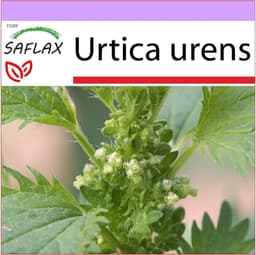
Peacock, small tortoiseshell, red admiral, and comma all use common nettle. Small tortoiseshell also uses Urtica urens. Peacock uses small nettle only occasionally, and also hop. A peacock female may lay up to about 400 eggs in one large sunny patch. Small tortoiseshell lays batches of up to about 100. A single stem cannot hold a peacock batch. Painted lady is not on the charity's foodplant pages this guide follows. Red dead-nettle, Just Seed's Lamium purpureum, does not sting and is not a substitute. Which species to buy is on common nettle or small nettle.

Sun and a real patch

Small tortoiseshell females prefer young nettles in large beds, at the edge, in full sun. A few stems at the bottom of the garden are unlikely to be chosen. You need a clump you will not strip. The RHS gives Urtica dioica a spread of 2.5–4 m. Do not chop the roots into fragments and expect the patch to shrink. Grouped tubs with drainage, on a hard surface, in sun to light shade, are the Butterfly Conservation way to stop the roots walking. Take the flowers off before seed spreads. Deep shade is not a habitat for these caterpillars.

What to sow

Buy Urtica dioica if the patch is allowed to stay. It is the main foodplant. Urtica urens is the secondary annual, useful when you want frost to end the top growth, not as the whole plan for a peacock batch. SemiSauvage's wild nettle title does not name the species. Skip red dead-nettle and a food bag of dried seed. A card that calls Urtica dioica an annual will not change the roots. Sowing is a surface job. Depth sits on how to sow nettle seeds. A first-year common nettle does not flower. Leaves are still leaves. Wear gloves.

Do not strip the patch

Small tortoiseshell eggs hatch in one to three weeks. Picking those leaves for soup or a liquid feed takes the brood with them. If you want both kitchen leaves and caterpillars, cut a separate clump and leave the sunny side alone. Do not tidy rank growth in June, and do not spray. If you see no caterpillars in year one, the patch can still be too small, too shaded, or simply unused. Which listing fits the job is on best nettle seeds.

Common questions

Which butterflies use nettles in Britain?
Peacock, small tortoiseshell, red admiral, and comma all use common nettle. Small tortoiseshell uses small nettle as well. Peacock uses small nettle only occasionally, and also hop. Red admiral's other plants include small nettle, pellitory-of-the-wall, and hop. Comma also uses hop, elm, currant, and willow. Common nettle is the plant to sow if you are choosing one.
Is common nettle or small nettle the one to sow?
Common nettle, Urtica dioica, is the default for a patch that returns and for the main foodplant. Small nettle, Urtica urens, is an annual those species can also use. It suits a bed you want frost and a hoe to end, knowing it can shed a lot of seed. It is not a better peacock plant.
Does red dead-nettle count?
No. Lamium purpureum looks a little like a nettle in a search result and does not feed these caterpillars. The Just Seed packet in this comparison is that plant, 100 seeds at about £3.40. Bees on the flowers are a different job.
How sunny, and how big, should the patch be?
Small tortoiseshell notes ask for young nettles in large beds, at the edge, in full sun. A peacock may lay up to about 400 eggs in one large, sunny, sheltered patch, and small tortoiseshell batches can be up to about 100. A few stems in shade are unlikely to be chosen. Plan a clump you can leave, not a single module.
Will a pot be enough?
A group of tubs with drainage holes, on a hard surface, in sun to light shade, is the Butterfly Conservation way to keep the roots from spreading. Take the flowers off before seed spreads. A single windowsill pot will not hold a peacock's egg batch, and small tortoiseshell often does not breed in gardens at all. Use tubs for containment, not as a promise.
Can I pick leaves if I see eggs?
Leave that plant. Small tortoiseshell eggs are laid in batches, often on the underside, and hatch in one to three weeks. Stripping the leaves removes the brood. If you also want leaves for the kitchen, cut a separate clump and leave the sunny one intact.
Will sowing nettles bring small tortoiseshells back?
One packet will not restore the species. The charity's own line is that small tortoiseshell does not usually breed in gardens, even where nettles grow. A sunny common-nettle patch is the right offer. It is not a recovery plan, and butterflies remain a possible result rather than a delivery.

Related pages

Sources

Public UK sources named below. amazon.co.uk prices, stars and review counts are the figures on these nine listings. Page updated 21 October 2026.

  1. RHS Urtica dioica profile (retrieved 21 October 2026)
  2. RHS stinging nettles (retrieved 21 October 2026)
  3. BSBI Urtica dioica (retrieved 21 October 2026)
  4. Butterfly Conservation peacock (retrieved 21 October 2026)
  5. Butterfly Conservation, sunny tubs and containment (retrieved 21 October 2026)
  6. Garden Organic common nettle (retrieved 21 October 2026)
  7. GOV.UK plant-passport seed list (retrieved 21 October 2026)
  8. NHS insect bites and stings (retrieved 21 October 2026)