Tomato blight: spotting the collapse after a wet July
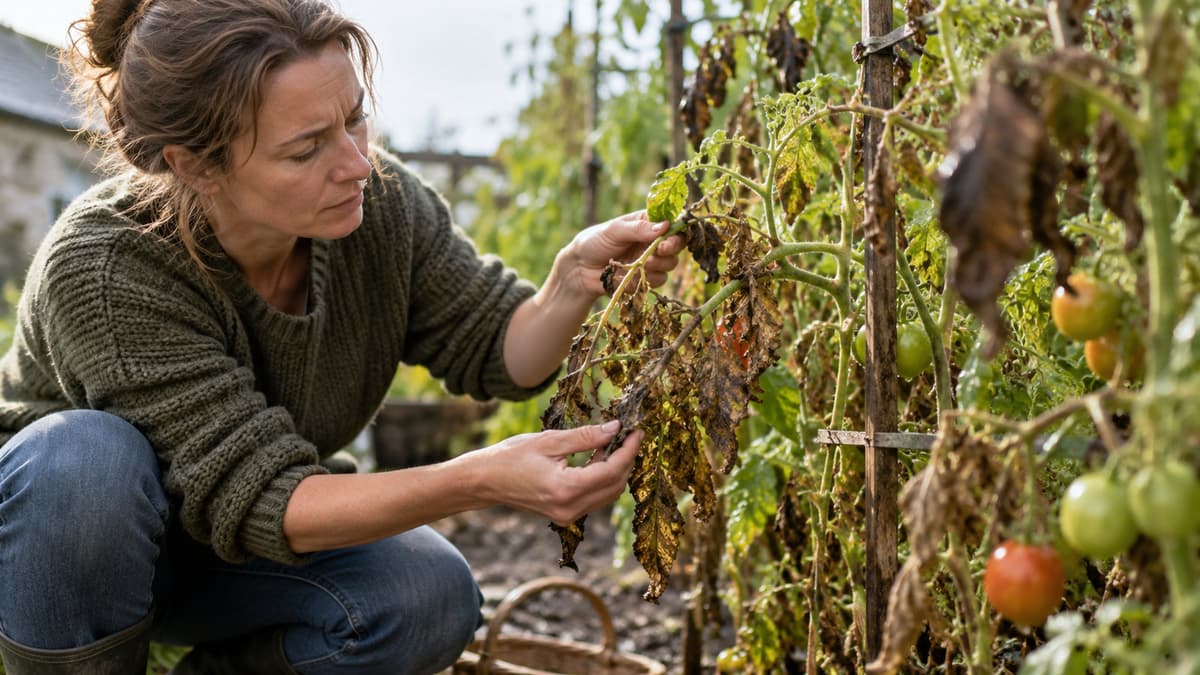
Brown collapsed leaves after a wet July are late blight, not a bad packet. What to do the same day with the plants, the green fruit and the compost heap.
On this page

A warm July, three wet days, and the outdoor tomatoes that looked fine on Monday are brown by Thursday. That speed is what tomato blight feels like in a British summer. The leaves collapse, the stems follow, and the fruit you were counting on may already be carrying the infection. The packet you sowed in March did not suddenly become a bad batch.
This page follows Royal Horticultural Society guidance on tomato blight, potato blight and growing tomatoes, and Gardeners' World on growing tomatoes. Variety names come from the eleven listings in our tomato seeds comparison. A qualifying purchase through that comparison can earn us a commission, at no extra cost to you. Products Compared has not run a laboratory test. Written up in October 2026.
In short
Tomato blight in a warm, wet spell is late blight, Phytophthora infestans, the same pathogen as potato blight. Picking off a few leaves may slow it slightly and will not clear it. Bury the plants deeply, use council green waste, or burn them where burning is allowed. Do not compost them. 'Crimson Crush' and 'Mountain Magic' are the Wisley 2021 names, and neither is in this seed set.
What late blight is
Late blight is caused by Phytophthora infestans, a fungus-like organism that thrives in warm, wet weather from early summer onwards. The Royal Horticultural Society describes it on tomatoes and on potatoes as the same pathogen. Once the row is collapsing faster than ordinary scorch, stop calling it a bit of weather damage.
The practical limit is how little you can do once it is established. The Royal Horticultural Society says that picking off a few affected leaves may slow the spread slightly and will not clear the infection. That is the difference between a tidy-up and a clearance. If the plants are already failing after a wet spell, plan the disposal on the same day you name the problem.
A greenhouse does not put you outside the biology. Spores move in air, and an open door is enough of a route. Dry foliage is a harder place for the infection to run, which is why the grow guide treats the greenhouse as usually safer than an open bed, and why you still ventilate. Gardeners' World talks about doors and vents in a warm, wet summer, rather than a sealed house.
A mesh cover is the wrong tool. Our vegetable protection net comparison is about nets for the vegetable garden. The blight sources used here do not treat a net as a cure, and this page does not claim that any net stops these spores. Leave the disease decision to the leaves, stems and fruit.
What you see on leaves, stems and fruit
The pattern people recognise too late is brown, collapsed foliage on outdoor plants after rain. The damage moves into stems, and into fruit that still looks green. The Royal Horticultural Society warns about that green fruit. A bowl left to colour on the windowsill is how a lot of those tomatoes rot indoors.
Leaf mould under glass can look similar and should stop you clearing a healthy crop by mistake. It shows grey-brown growth on the underside of the leaf. The Royal Horticultural Society distinguishes that from the stem and fruit collapse of late blight. If the underside is dusty and the stems are still sound, do not strip the house. If you are unsure, do not diagnose from this article alone.
Ordinary wear is slower. A lower leaf that yellows in August on an otherwise sturdy cordon is a different picture from a row that browns across the top after a warm wet week. Use the speed and the stems. Collapsed petioles, dark lesions on the stem, and fruit that softens in patches belong with blight. A single tired leaf at the base does not.
If the plant is already collapsing, the fruit is not a separate healthy crop on a sick stem. Keep it off the kitchen pile from a healthy greenhouse plant. Sound green fruit from a plant that is still healthy is covered in the ripening guide.
Greenhouse, outdoors and the potato bed
Outdoor tomatoes carry the risk the Royal Horticultural Society puts in its guide to growing tomatoes. A warm, wet British summer is when that risk shows. The greenhouse or outdoor guide compares position. Glass does not make a variety immune. Under cover, water the compost, not the foliage, and do not shut the house so tightly that condensation wets every leaf overnight.
Gardeners' World says not to plant potatoes beside tomatoes. Potato blight is the same pathogen. Lifting the potatoes the same afternoon will not save an infected tomato. If both crops failed this year, treat the debris from both as infected material.
Doors and vents keep a greenhouse usable in July, and they are also a way in. Keep a house that moves air, with foliage that dries quickly after watering. If the outdoor row has already gone and the greenhouse is still clean, clear the outdoor plants before you brush past the indoor ones in the same clothes.
A sheltered patio pot is still outdoors. Rain on the leaves counts. Compost from a blighted greenhouse crop should not go back into those pots next year. That reuse rule is on the Royal Horticultural Society blight page.
What to do with the plants and the fruit
Decide on the day the collapse is obvious. Leaving the stems to see if it stops is how the rest of the planting gets a heavier dose of spores, and how the fruit sits in the infection for another week. The Royal Horticultural Society does not offer a home compost route. Bury the material deeply, put it in council green waste, or burn it where you are allowed to burn garden waste. Do not compost it.
Council schemes differ, so check the green-waste rules where you live before you assume a kerbside caddy accepts diseased plants. Deep burial means deep, not a scrape of soil on the bed you want to replant. If you cannot burn, use burial or council green waste. Wash secateurs and your hands before you tie in a greenhouse cordon that is still healthy.
Do the fruit the same day. Fruit from a plant with stem and fruit collapse is suspect, including green fruit, because a firm green tomato can still be infected. Keep it out of a bowl of sound green tomatoes from a healthy plant. Fruit that is already soft, spotted or smelling off goes with the diseased material.
If you are at one or two leaves and the stems are clean, you can remove those leaves, keep the foliage dry, and watch daily. The Royal Horticultural Society has already limited that move: it may slow the spread slightly, and it will not clear the infection. If the row has collapsed after a wet week, clear the plants. Next year's seed is a new decision, not a rescue of this crop.
What a seed packet cannot promise
The Royal Horticultural Society names 'Crimson Crush' and 'Mountain Magic' as cultivars that coped at Wisley in 2021. Those names are not on the eleven tomato-seed packets in this comparison. Moneymaker is not one of them. Sungold is not one of them. A seller's phrase about a tough outdoor tomato is not the Wisley list.
Buying either Wisley name, if you find it elsewhere, still does not make a wet August safe. A trial note records how those cultivars behaved in that season at that garden. It is not a guarantee for a different county, a different year, or a packet that never prints the name. Keep the potato gap and the compost rule after you have chosen.
Nothing in this set should be read as blight-proof. The top pick, Just Seed Sungold F1, is there because of the listing we scored, not because it appears in the Wisley blight note. Its habit is not stated on the packet. If the plants are already lost, buy next year's seed and plan where they will stand. A warm wet spell can still end an outdoor row.
Common questions
What does tomato blight look like?
Is tomato blight the same disease as potato blight?
Are greenhouse tomatoes safe from blight?
Can I compost tomato plants that have blight?
Will green tomatoes from a blighted plant ripen indoors?
Which varieties coped with blight at Wisley in 2021?
Should I pick off a few spotted leaves and carry on?

Products Compared publishes British-English buying guides based on amazon.co.uk listings and public UK sources. We do not run a lab and we do not invent test scores.
Related articles

Pinch out tomato side shoots: cordon or bush
Side-shoots come off a cordon and stay on a bush. Pinching is not a blight control.
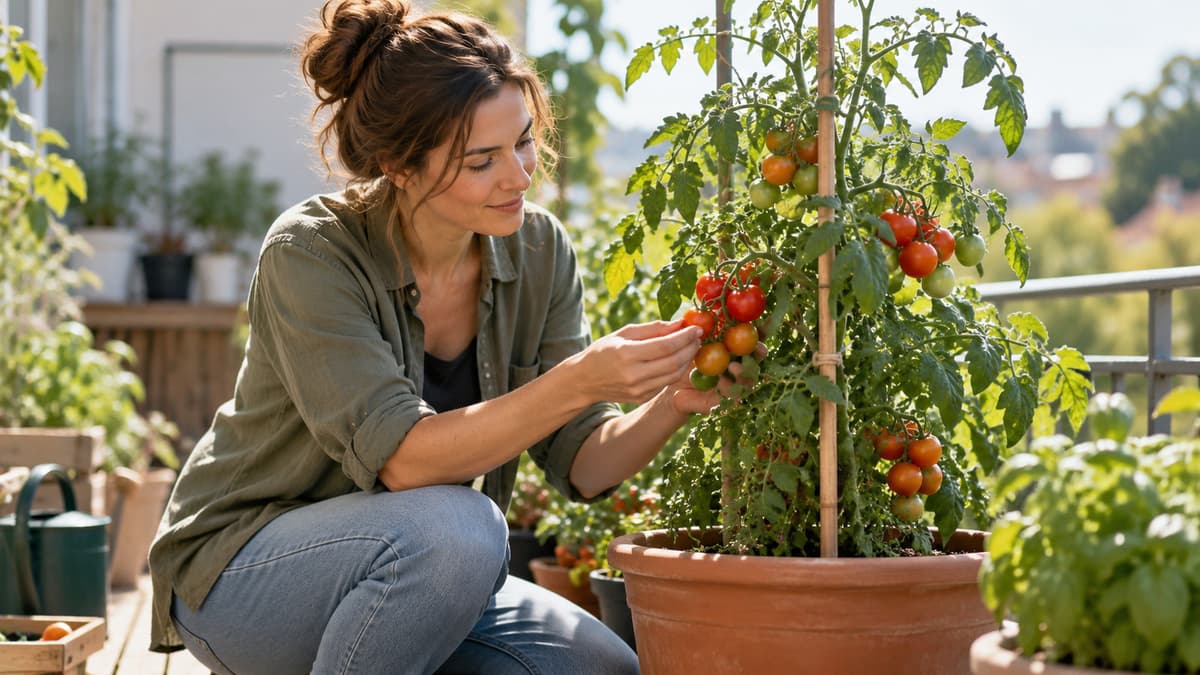
Tomatoes in pots: size, bags and water
One plant needs a large pot. Do not reuse compost from a blighted greenhouse crop.
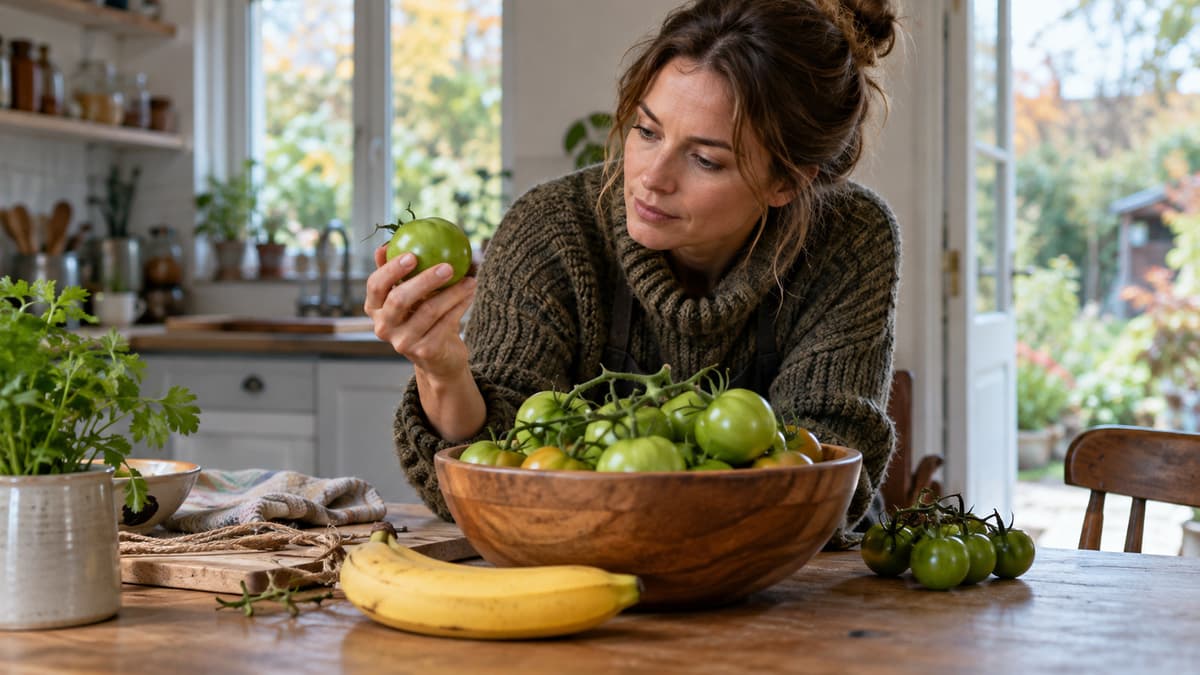
Ripen green tomatoes: sound fruit indoors
Sound green fruit can ripen indoors. Fruit from a blighted plant often rots instead.