Clean stainless steel barbecue: cold before you scrub
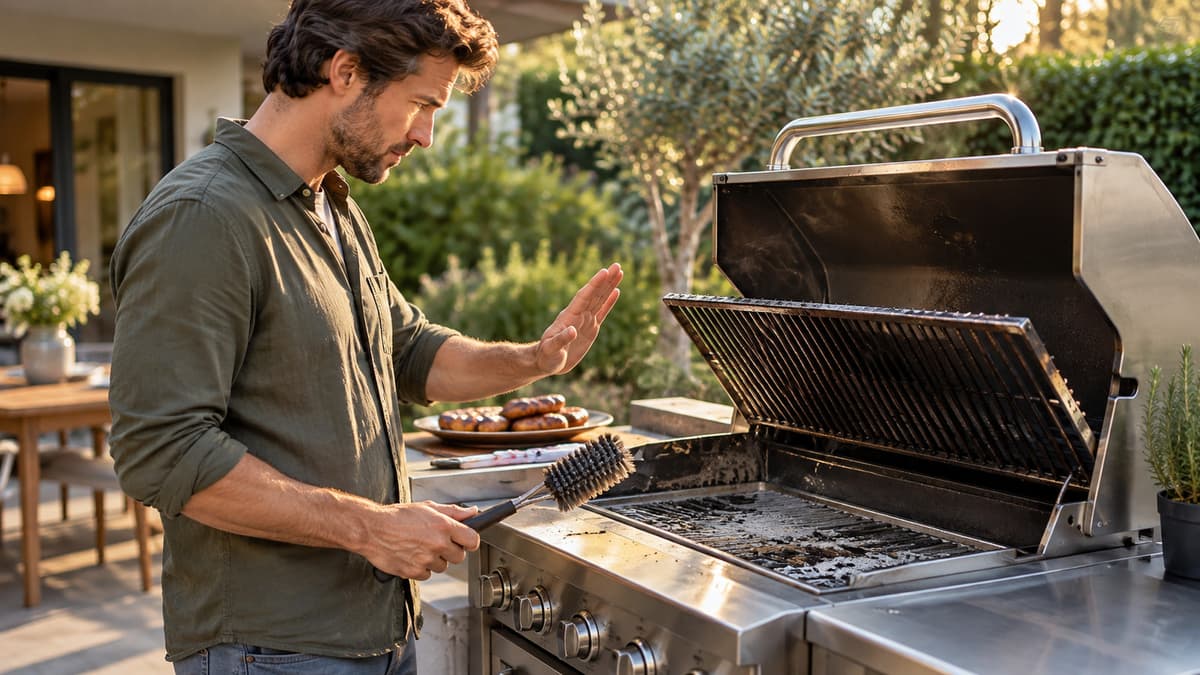
Clean a stainless steel barbecue only once it is cold and fully out. Do the grate, then the pan, then the body, and keep hot ash out of a plastic bin.
On this page
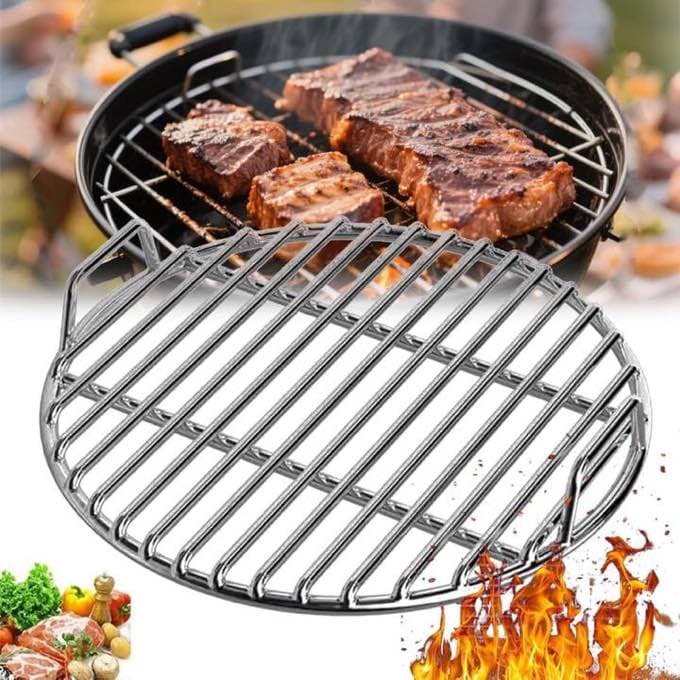
The lid is up, the sausages are done, and the grate still ticks as it cools. The cart has looked dull since the wet weeks, and a stiff brush feels like the quick way to bring the shine back. That is the moment to stop. If you clean a stainless steel barbecue while the steel is hot, or you pour on a chemical the maker never named, you mark the metal and you work over a fire that is not finished.
London Fire Brigade says to let a barbecue cool and make sure it is properly out before you treat the job as finished. Smouldering ash can still give off carbon monoxide. Products Compared used that fire-service page, the GOV.UK cooking page for food businesses, and the Weber barbecue, grate and sealer comparisons. We did not run a lab clean. A purchase through our links can earn us a commission at no extra cost to you.
In short
Wait until the barbecue is cold and properly out, then clean the grate, then the pan or the area around the burners, then the body. Brush only cold steel, keep hot ash out of a plastic bin, and follow a cleaner only when the maker's care note names it. If the food-contact surface is flaking or warped, replace the grate.
Cold and out before you clean
Cool before cleaning is the first job. London Fire Brigade's barbecue page is about the fire being out. Let the barbecue cool and make sure it is properly out before you treat the work as finished. Smouldering ash can give off carbon monoxide. A grey skin over the coals, a quiet lid, and a grate you can nearly touch are still a live appliance.
That page gives no minute count. If you cannot rest a bare hand on the grate, treat that as a rule of thumb and wait. A stiff brush on hot steel drags carbon into the bar. Gas turned down low is still alight. Charcoal with no visible flame is still a bed. Leave the cart in the open air, and clean it on a later pass.
Grate, then pan, then body
Work from the food downwards. The grate holds carbon that will smear the body if you wash the panels first and then drag a dirty bar across them. The pan or the burner area is second, because that is where fuel and fat sit. The outer cart is last. A dull side panel does not decide whether tomorrow's food sits on flaking metal.
- Lift the grate only once it is cold, and scrape loose carbon and grease with a brush.
- Stop when the loose debris is off. If the maker's care note names a cleaner, that product is the only chemical in the job.
- If the care note is silent, the grate clean is finished. These sources do not support a dishwasher claim, so the grate stays out of the dishwasher.
Charcoal: the coal pan
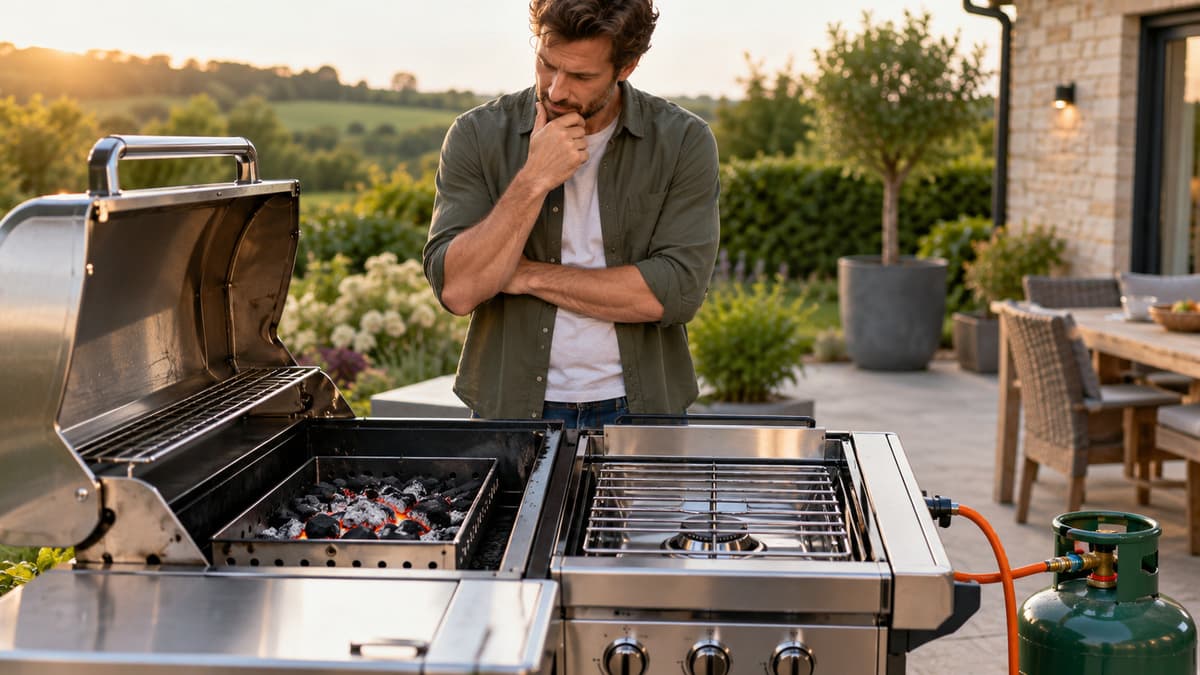
A charcoal cart has a coal pan and an ash path. Empty that pan only when the ash is cold, into a metal container on bare ground, clear of a shed wall and clear of plastic. London Fire Brigade says the ground and the ash stay hot, so a quiet pan can still scorch a deck and can still give off carbon monoxide. Leave the air path clear. Wet paste from a hose hides embers and lights poorly next time. The Weber barbecue comparison separates charcoal carts from gas carts, so you can see which tray the body actually has before you pull one.
Gas: around the burners
A gas cart has burners and a pressure system. Wipe grease from the cookbox around the burners once the steel is cold, and lift a drip tray only if the maker designed it to come out. Leave jets, valves and hoses connected. Taking them apart sits outside a Sunday clean. Scrape cold drip residue. Fat left under the bars often starts a barbecue grease fire on the next cook. Keep solvents out of the burner box.
Then wipe the body once the cart is cold, using only what the care note allows. Do the outside last so dirty water from the grate stays off a dry panel. A dull lid after a wet British winter can wait. The cookbox is already finished.
Chemicals the maker did not name
If the maker's care note names a product, follow that note. If it names nothing, stop after the brush. This article will not add a solvent, a ratio or a soak time. Oven cleaner stays in the kitchen. A gel meant for an oven liner can mark stainless bars that touch the next meal, and you will not find a recipe for that transfer here.
Leave the food-contact metal uncoated. A kitchen silicone or a pipe-thread compound is a joint product, not a coating for the bars. Keep both off the cooking surface.
Scraping leftovers is a poor storage plan. GOV.UK's cooking page for food businesses says leftover food still has to be cooked through or thrown away, and reheating is only once, until the food is steaming hot. That page is written for businesses. It still rules out parking half-cooked meat to finish tomorrow while you clean the grate tonight. Cook the food through, or throw it away.
Ash, heat and carbon monoxide
Ash can still hurt you after the meal looks finished. London Fire Brigade says smouldering ash can give off carbon monoxide, so let the barbecue cool until it is properly out before you treat the job as finished. The ground and the ash stay hot. A plastic bin softens around that heat, the embers keep working, and you have moved a gas source closer to the house.
Stand cold ash in metal, on bare ground, in the open. A shed or a garage is the wrong room while ash can still smoulder. There is no minute count. Cold, with no live ember, is the practical gate, and "properly out" remains the fire-service standard.
Polish does nothing to a barbecue grease fire. Keep people away from the cart, leave the gas jets connected, and let the fire finish in the open. This page gives no firefighting sequence. The brush waits until the steel is cold and the fire is out.
Cover the cart only after that sequence. A cover on a warm body holds heat over ash that stays hot. These sources do not compare cover fabrics. Out, cold, ash dealt with, then a cover if you use one.
When a clean will not fix the grate
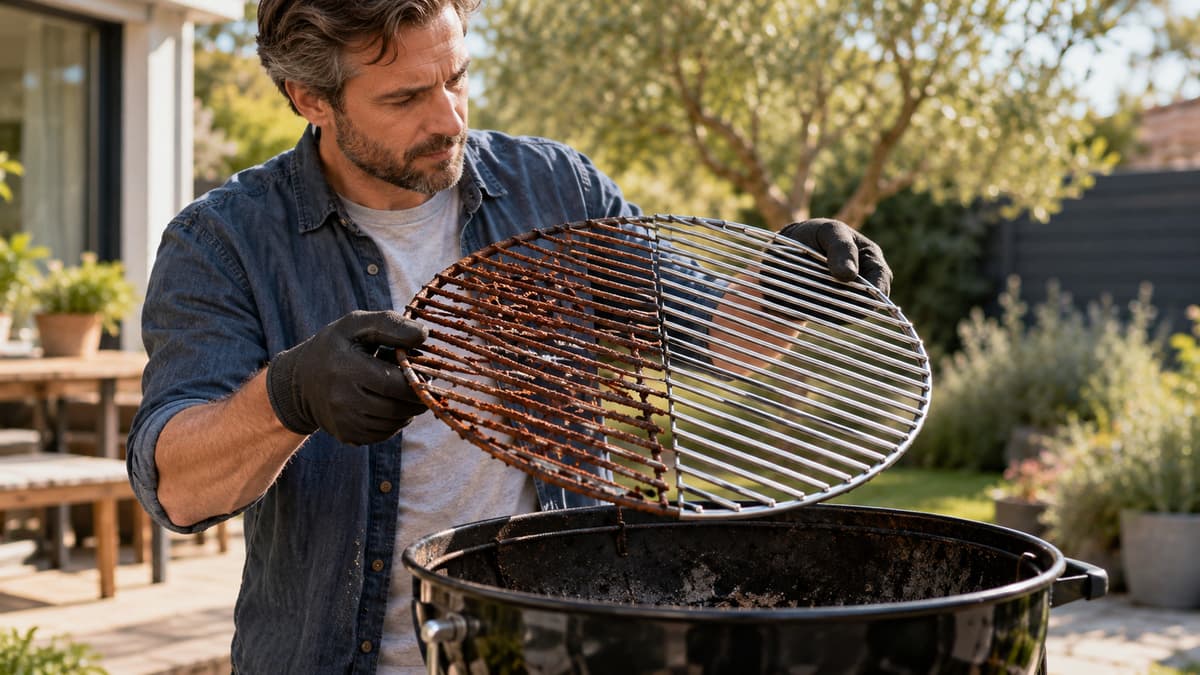
Flaking or a warp on the food-contact surface means a new grate. Brushing will not lay that metal flat. A bar that rocks in the frame, a surface that leaves flakes on the food, and pitting that has gone through the bar are the points where you stop and measure. Brown film on an intact outer panel, the look people call stainless tea staining, can wait for a cold wipe. A bar that has already failed cannot.
Our stainless steel barbecue grill grate comparison is only the cooking surface. The top pick is a 40 cm round grate, listed at £10.88 in the comparison extract, with 3.8 from 16 ratings on amazon.co.uk. The specification table says stainless steel and states no grade, no bar diameter and no weight. Those ratings are the same review block as the 45 cm listing, including a battery review that is not about a grate, so they are one thin sample. Nothing in that file is a lab cook. Measure the opening you have. A 30 cm disc does not fit a 47 cm or 57 cm kettle.
The cart and the grate are different buys. Measure a failed bar and keep a sound body. A shell that is pitting through needs the Weber barbecue comparison: a coal pan and an ash path on charcoal, burners and a pressure system on gas. The grate page is the bars. The sealer page is what you read so a joint compound stays off both. A wet British winter explains a dull cart. The care note still has to name any chemical, and the steel still has to be cold before you scrub.
Common questions
Can I brush the grate while it is still hot?
What do I do with charcoal ash?
Will stainless go brown near the sea or after winter?
Can I use oven cleaner on a barbecue grate?
Should I cover the cart?
When is it a new grate, not a clean?
Does polish stop a grease fire?
Which comparison is the cart, and which is only the grate?

Peter F. is the editor for DIY & tools at productscompared.co.uk. Comparisons in this category are checked against amazon.co.uk listings, review evidence and public UK sources.
Related articles
Stainless grate or cast-iron grate
Stainless and cast iron fail in different ways. The replacement grate still has to fit the body you own.

Carbon monoxide from a barbecue in a closed space
Smouldering ash can still give off carbon monoxide. Let the barbecue go fully out before you move it.
Charcoal cart or gas cart
A coal pan and an ash path are a different clean from burners and a pressure system.