Cut wallpaper around a socket safely with scissors

Cut wallpaper around a UK socket or switch safely: isolate the circuit, make controlled relief cuts, leave a 5–6 mm tuck and let the paste dry.
On this page
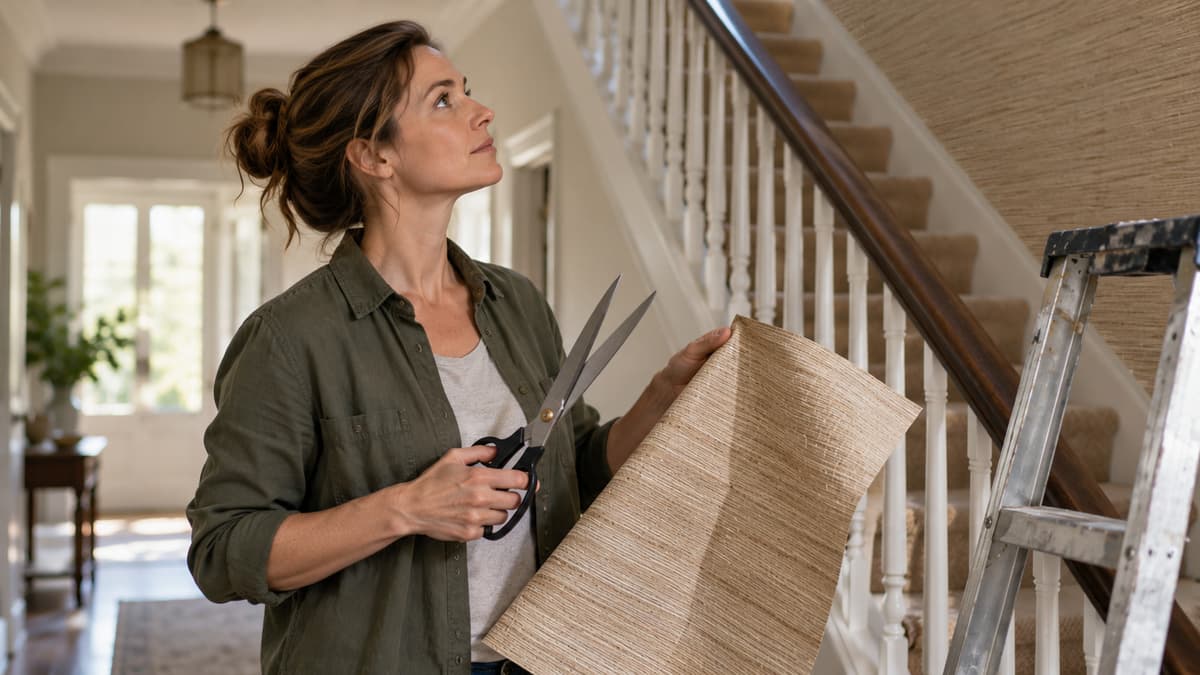
The drop is pasted, the pattern is aligned and a UK socket has disappeared beneath the paper. To cut wallpaper around a socket cleanly, you need to isolate the circuit before touching the faceplate, make small centre-to-corner relief cuts and preserve enough paper to tuck behind the plate.
This guide is from the Products Compared editorial team. It draws on UK decorating guidance from Homebuilding, Brewers, Your Home Style and DIY Fix It, alongside our review of amazon.co.uk wallpaper-scissor listings. We have not carried out a laboratory test or inspected your electrical installation. If you buy through our links, a qualifying purchase can earn us a commission at no extra cost to you.
In short
Isolate the relevant circuit at the consumer unit and confirm the socket or switch is dead before loosening its faceplate; never do this with the circuit live. Hang the drop over the fitting, pierce near the centre, cut towards the four corners with sharp paperhanging scissors, then trim gradually to leave about 5–6 mm behind the plate. Clean away paste, refit the plate and keep the circuit off until the adhesive and fitting area are dry.
Isolate the circuit before touching the faceplate
Treat a socket or switch cutout as a decorating job beside a 230 V electrical installation, not as an excuse to improvise around live equipment. Before you loosen a retaining screw, isolate the relevant circuit at the consumer unit and confirm the fitting is dead using suitable equipment and established safe-isolation practice.
The switch on a 13 A socket does not isolate the wiring behind it, and switching off a light at the wall is not a substitute for isolating its circuit. Prevent anyone else in the property from restoring power while you work.
If the labels do not match the room, you cannot confirm dead, or you are uncertain about the procedure, stop and ask a registered electrician.
Never loosen the faceplate to “take a quick look” while power remains on.
For a straightforward cutout, you normally slacken the two faceplate screws by a few millimetres and ease the intact plate forward. You do not disconnect conductors, remove accessories from the back box or touch terminals. Cracked plastic, loose wiring, scorch marks, damaged insulation or a plate held tight by short cables moves the job beyond wallpapering.
Prepare the tools and the wallpaper
Use sharp paperhanging scissors whose tips meet cleanly. The point matters more than blade length for this job because the first opening and the last few millimetres towards each corner require control. Kitchen scissors are cumbersome, dressmaking shears can be spoiled by paste, and blunt office scissors tend to fold wet wallpaper before they cut it.
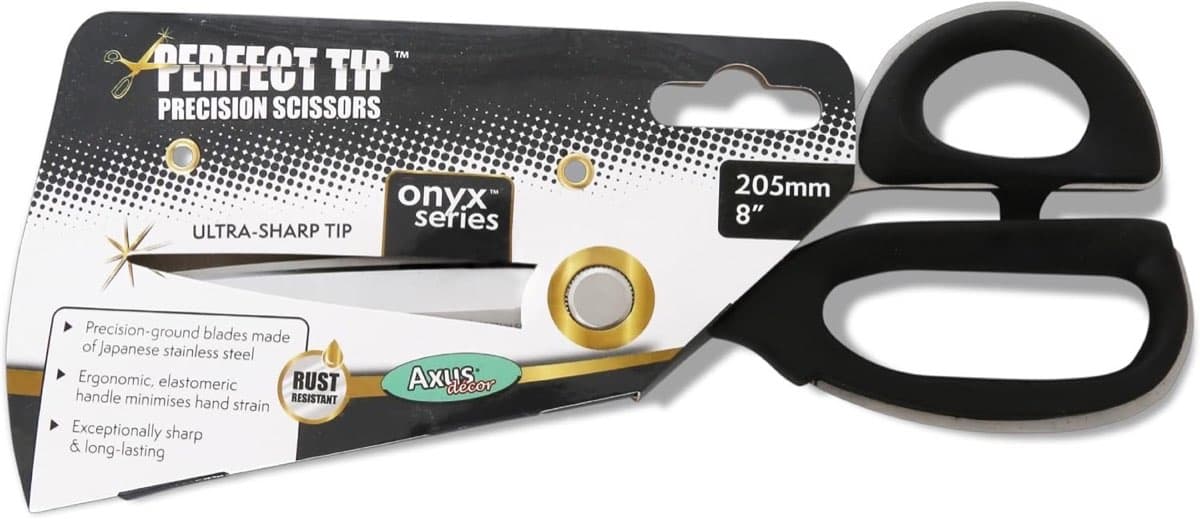
Our wallpapering scissors comparison explains the sizes and tip performance shown on current UK listings. The Axus Decor Perfect Tip 205 mm is listed on amazon.co.uk at about £18.42, with an easy-grip handle and a stated weight of 160 g.
If you need a suitable pair, compare the compact and long options in our wallpapering scissors buying guide before choosing by length alone. Keep a hanging brush or plastic smoother, a clean cloth, a sponge and a pencil nearby. Support wet pasted paper close to the cut so its own weight does not start a tear.
Loosen the faceplate and hang the drop
With the circuit isolated and confirmed dead, loosen the faceplate retaining screws just enough for the plate to come forward. A gap of a few millimetres is normally enough to tuck paper behind the edge. Keep the screws engaged so the plate remains supported, and do not pull against the cables.
Paste and book the wallpaper according to its instructions, or paste the wall if that is what the manufacturer specifies. Hang the drop in its correct pattern position and smooth it above and beside the fitting first. Let the paper lie over the faceplate without pressing it into socket apertures, switch gaps or screw recesses.
Find the centre and the four outside corners by touch, using clean fingers or the rounded back of the closed scissors. Do not jab with the point to hunt for an edge. The objective is to open the middle while keeping every cut comfortably inside the faceplate outline.
Cut wallpaper around the socket
Pinch or lift the paper slightly over the centre of the faceplate so the scissor point does not touch its finish. Make a small opening near the centre, then cut diagonally towards one corner. Stop short while you can still feel the corner under the paper. Return to the middle and repeat towards the other three corners, producing four triangular flaps rather than cutting out a full rectangle at once.
All first cuts remain over an area that the plate will cover, and each flap can be lifted to reveal the true edge. An immediate rectangular cut asks you to locate four hidden corners perfectly; one error leaves bare wall beyond the plate. Keep the lower blade shallow and direct the tips away from socket holes and the gap behind the faceplate.
Open one flap and check where the diagonal ended. Extend it by a millimetre or two only if the paper still binds before the corner. A sharp point can still scratch a finish, so lift the paper and stop before the corner.
A slight wrinkle radiating from a corner usually means the relief cut is too short; a visible slit beyond the plate means it is already too long.
Trim and tuck the four flaps
Ease the isolated faceplate forward and fold each flap towards the gap behind it. Trim a little at a time, aiming to leave roughly 5–6 mm of wallpaper beyond the visible opening. That overlap is a practical rule of thumb found across UK decorating guidance, not a dimension guaranteed for every accessory.
Start generously, offer the plate back to the wall and inspect each edge. If a flap bunches, remove a thin sliver rather than shortening the whole side. Paper should not cover screw holes, enter the back box or sit across the mechanism; it should finish flat behind the outer rim.
Use a clean brush or fingertip to guide the flaps behind the plate without dragging paste into the fitting. Wipe visible paste from the plate and the surrounding face, taking particular care around switch gaps and socket shutters. Never flood the area with a wet sponge.
Refit the faceplate squarely once the paper is flat. Tighten the retaining screws evenly until the plate is secure, but do not overtighten them against damp wallpaper or uneven plaster. If the plate will not sit flat, keep the circuit isolated and check for folded wallpaper, covered screw holes, trapped paste or a flap entering the back box.
Leave the power isolated until the wallpaper adhesive and any moisture around the fitting have dried. The correct time depends on the paper, paste, wall and ventilation, so follow the adhesive maker's drying guidance. If paste entered the fitting or the plate is damaged, keep the power off and call an electrician.
Know when scissors are not the answer
Scissors are a strong choice for a small relief cut in wet, flexible paper, but they are not automatically the right tool for every wallcovering. Stiff dry paper may buckle ahead of the tips, while foil, silk, grasscloth and brittle finishes can crease, fray or delaminate. Read the wallcovering instructions and practise on an offcut. Our guide to wallpapering scissors versus a knife sets out that boundary without treating either tool as universal.
Technique cannot rescue blunt scissors. If the point folds the paper, if dried paste holds the blades apart or if the pivot allows them to twist, stop before the cut reaches a visible edge. The broader guide to trimming wallpaper with scissors covers skirting and ceiling edges; those long cuts need a different hand position from a socket cutout.
Call a registered electrician when safe isolation is uncertain, the board is incorrectly labelled, cables or terminals would need to move, or the accessory is loose, cracked, scorched or contaminated. Call a decorator when an expensive specialist wallcovering has no spare drop and the plate offers almost no margin.
Common questions
Do I have to turn off the electricity before cutting wallpaper around a socket?
Is switching off the wall switch enough?
Can I cut around a faceplate without loosening it?
Should I use wallpaper scissors or a craft knife?
How much wallpaper should I leave behind the faceplate?
What can I do if I have cut too far?
When can I turn the power back on?
When should I call a registered electrician?

Products Compared publishes British-English buying guides based on amazon.co.uk listings and public UK sources. We do not run a lab and we do not invent test scores.
Related articles

Cut lining paper straight: a reliable table method
Separate table cuts from wall trimming, then choose the method that keeps a long edge clean.
When not to use wallpaper scissors: seven warning signs
Some wallcoverings, dry cuts and awkward positions need a different tool or professional help.

How to clean wallpaper scissors after paste
Remove paste before it dries, protect the edge and store bare blades without risking your fingers.