Independent comparisons. We may earn from shop links. More info

How to use a pressure sprayer

Updated: 22 October 2026

The tank is in your hand, and you are about to pour something stronger than water. Water-test first, mix only today's dose, spray the target, let the pressure off, and rinse without storing leftover mix or tipping it down a drain. The first chemical fill is the one that finds a hissing collar you could have caught with tap water. Which valves are claimed comes from the ten saved amazon.co.uk listings dated 19 October 2026. Peter F. used HSE and RHS public guidance and maker troubleshooting notes, not a lab. A qualifying purchase can earn a commission at no extra cost to you. The rows are on the [pressure sprayer comparison](/hub/garden-supplies/pressure-sprayer).

The tank is in your hand, and you are about to pour something stronger than water.

Our top picks

On this page

Water before any chemical

Read the plant-protection product label before you open the sprayer. Gloves follow the label, or common sense when the liquid is a herbicide or concentrate. Then fill the tank with clean water only, to the marked line if there is one, seat every collar, and pump until the unit holds pressure. Hissing reviews in this set are why that step exists. Polar buyers chase air leaks until fittings are tight. Green Haven reviews describe about thirty minutes of hissing and, for some, a missing washer before the first spray works. REQUISITE NEEDS reviews mention weedkiller coming out of the lid on a second prime, a problem you would rather meet with water. If pressure will not hold, stop. Do not add chemical to a tank that already leaks at the head, the plunger shaft, or the base. A reviewer's pump count is not a specification. One Spear & Jackson sheet for a different 2 litre model mentions roughly twenty-five pumps. Do not copy that number onto a 5 litre tank. Pump until the trigger delivers a steady pattern, then lock or unlock the trigger as your listing describes. Fill only to the marked line so the pump has headspace. Overfilling is a common way to wet the seals you just checked.

Pressure, spray, then let it down

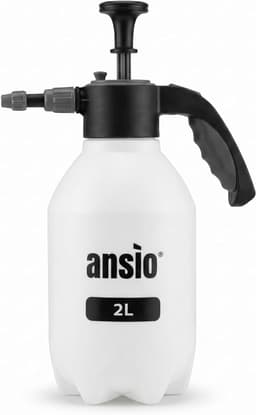
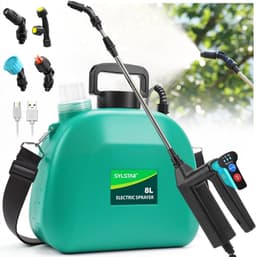
Mix only today's amount, at the rate on the product label. Do not strengthen the mix to finish faster. Strain sediment if the liquid is cloudy. A blocked nozzle or filter shows up as a dribble or a mist that will not open out. Spray with the wind at your back when you can, on the target the label names. A lockable trigger helps on a long pass if the listing claims one. Spear & Jackson, G4GADGET, Amazon Basics and ANSIO do. When the pattern fades, re-pump. REQUISITE NEEDS reviews say pressure can fall after about thirty to forty seconds. That is fatigue on a cheap hand pump, not a reason to leave the tank charged overnight. Let the pressure down when you stop. Use the release valve if the listing claims one. Spear & Jackson, REQUISITE NEEDS, Amazon Basics, ANSIO and Polar do. G4GADGET lists a pressure regulator. SYLSTAR, Green Haven, Armo and Mobiclinic do not give a clear release claim, and complaint language on Mobiclinic says pressure could not be dumped without spraying. Then empty through the nozzle onto an area the label already allows, and open the tank only when it is soft. Never leave a pressurised sprayer in a hot shed or a car boot. Do not store diluted leftover. Herbicide drift and a dedicated tank stay on pressure sprayer for weed killer.

Rinse and the drain you must not use

Triple-rinse with clean water onto areas the product label lists as acceptable for rinsings. Never pour plant-protection products or rinsings down a household drain, a road gully, or into a watercourse. Wash your hands after you put the kit away. Hozelock's public seal note matches the failure pattern in many reviews even though it is another brand: do not leave the sprayer pressurised, do not leave chemical inside, do not use paint thinners on the seals, and do not store the unit in the sun with dry, cooked rubber. Water-based insecticides, fungicides, weedkillers and fertilisers are the usual domestic class. Solvent and paint thinner are not. Herbicide residue is why a separate weedkiller tank matters. If this sprayer has already carried weedkiller, do not casually switch it to liquid feed. The pump sequence here is the same. The contamination rule is stricter on that page. If you have not chosen a size yet, capacity is the pressure sprayer buying guide.

If it will not spray

Collars and the release valve must be closed and seated. The trigger must not be locked open while you build pressure. Soak a blocked nozzle and clear a filter you can reach. Spear & Jackson's troubleshooting PDF frames lost pressure as loose collars, an open trigger, a blocked filter or a damaged seal. Use that as a pattern for this style of pump. Rapid hissing after a few uses often means a damaged seal or a plunger leak, as in Armo and G4GADGET reviews. If reseating fittings fails on a new purchase, return it. Stop and get help when the product is professional-use only and you are untrained, when the work is paid or public, when spray reaches water or a neighbour's food plants, or when someone feels ill after contact. Keep the label and the MAPP number. Named replacements are on best pressure sprayer.

Common questions

Do I fill with chemical first?
No. Water-test seals and pressure first. Mix chemical only after the tank holds.
How do I know it holds pressure?
Pump, wait briefly, and watch for hissing or a soft tank. If the trigger will not deliver a steady pattern, fix the leak before you mix.
How do I let the pressure off?
Use the release valve when the listing claims one. Otherwise spray out onto a label-allowed area until the tank is soft, then open it.
Can I leave mix in the tank until next weekend?
No. Mix today's amount only. Diluted leftover is a storage and disposal problem, not a shortcut.
Where do rinsings go?
Only onto areas the product label allows. Not down a drain or into a watercourse.
What if it hisses or only dribbles?
Re-seat collars, check the trigger lock, soak the nozzle, and inspect seals. Persistent base or plunger leaks on a new unit are return territory.
When do I stop and get someone else?
Professional-only product without training, paid or public spraying, drift onto water or someone else's edible plants, or illness after exposure. Stop and use the label information when you seek help.

Related pages

Sources

Public UK sources for this comparison. Prices, stars and review counts are the amazon.co.uk listings in this set, captured 19 October 2026. Page updated 22 October 2026.

  1. HSE: garden, home and allotment pesticides (retrieved 22 October 2026)
  2. HSE: understanding the product label (retrieved 22 October 2026)
  3. HSE: spray drift (retrieved 22 October 2026)
  4. Plant Protection Products (Sustainable Use) Regulations 2012, regulation 12 (retrieved 22 October 2026)
  5. NSTS: legislation (retrieved 22 October 2026)
  6. HSE: pesticides and the public (retrieved 22 October 2026)
  7. RHS: chemical labels explained (retrieved 22 October 2026)
  8. RHS: storing and disposing of chemicals safely (retrieved 22 October 2026)