Frozen pond fish: what to do without smashing the ice

Frozen pond fish need a hole in the ice, not a smashed sheet. Melt one with a hot pan from the bank. A wildlife pond with little waste often needs nothing.
On this page
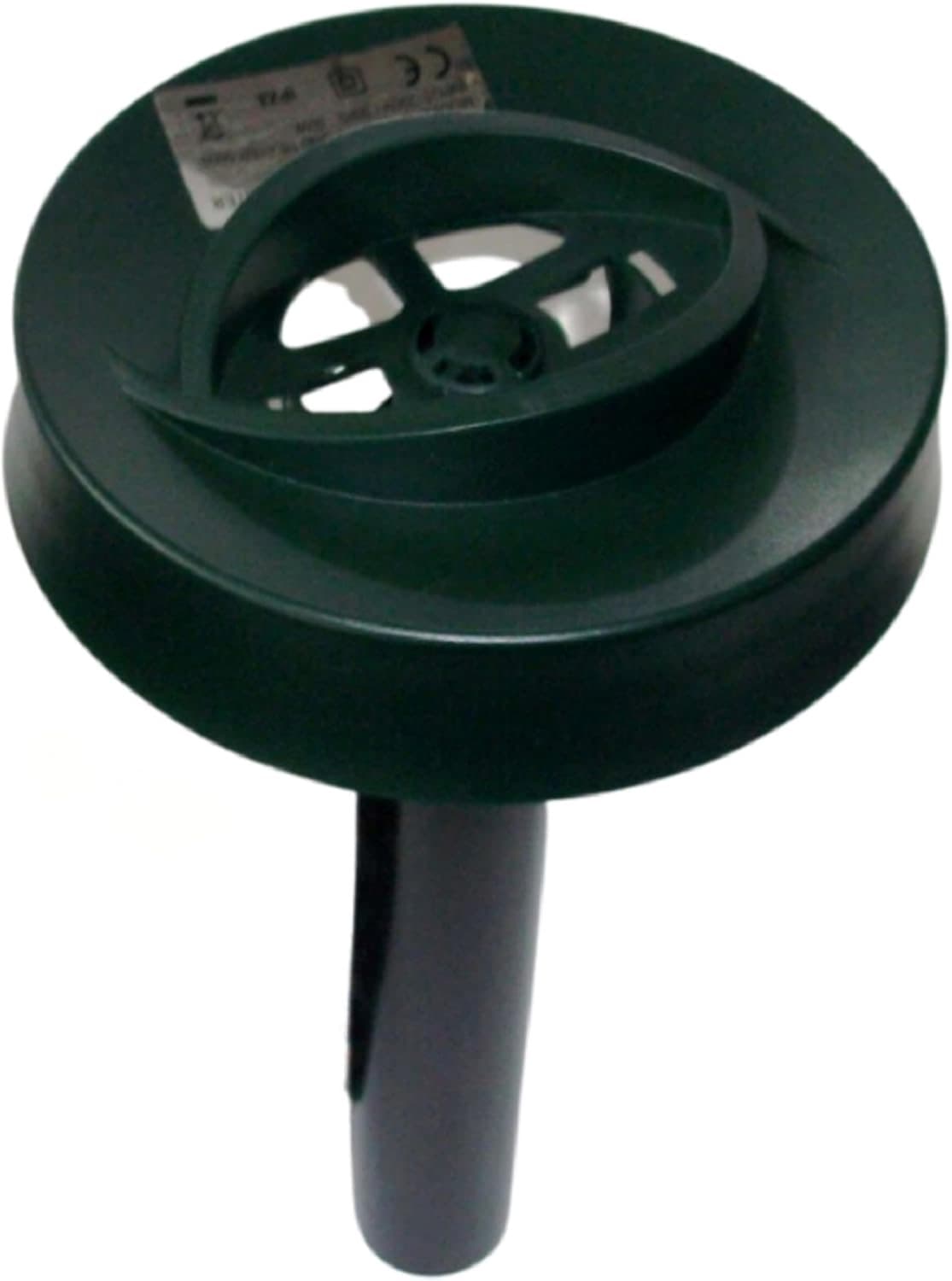
You come out after a hard frost and the pond is one white sheet, with goldfish or koi somewhere under it. Frozen pond fish are the case the Royal Horticultural Society's January pond notes treat as a surface to open, with a heater, an air pump, or a float, and with a saucepan of hot water if the ice has already closed. A wildlife pond with little rotting waste is the case those notes usually leave sealed. The two are not the same morning.
Peter F. used the RHS January pond notes, the RHS pond-care page, a Practical Fishkeeping winter article, Pond Planet's note on hot water, and the amazon.co.uk listings on our pond de-icer comparison. Nothing here was frozen in a lab. Prices and review counts are the stored listing figures, and they move. A qualifying purchase can earn us a commission at no extra cost to you. This article will not invent a temperature at which fish die, or a number of days a sheet can stay closed.
In short
For koi or goldfish, the RHS January notes point to a heater, an air pump, or a float, and to a saucepan of hot water if the ice has already closed. Do not smash pond ice. A wildlife pond with little rotting waste usually does not need a hole. Practical Fishkeeping wants fountains and air pumps off in cold weather because they can super-chill the water, which sits against the RHS air-pump line. Follow one source for one device.
Frozen pond fish and a wildlife pond
The split is the stock, not the thickness of the ice. The RHS January notes recommend a heater, an air pump, or a float when the pond holds koi or goldfish, and they say a wildlife pond that is not collecting rotting waste usually does not need a hole. Frozen pond fish are the first case. A pond of frogs and plants, with no fish and no heap of leaves on the bottom, is the second.
If you can see fish, or you put them in last summer, treat the sheet as a fish-pond problem. If you never added fish, the January note usually leaves the ice in place. Brush snow off either way, so light still gets through. The RHS does not weigh little waste. A week of autumn leaves, or a dead plant mat on the bottom, is not that clean case. Do not drain the pond to check. This page has no safe window for a midwinter empty.
Do not smash pond ice
A spade, a hammer, or a boot on the sheet is the crack the RHS January notes and the RHS pond-care page both rule out. Pond Planet says the same thing. The hole you want is melted. The rest of the ice stays as a sheet.
A blow does not stay in the ice. It travels through the water the fish are in, which is why the notes send you to hot water. The sources do not measure a distance or a force. Keep your weight on the bank. A sheet that holds a bird will not hold a person. The RHS pond-care page also notes that a ball can delay freezing and can invite someone onto the ice. If children use the garden, leave the ball off the pond.
A hot pan on a frozen pond
The RHS method is a saucepan of hot water set on the ice until it melts a hole. You are heating one spot. You are not tipping a bath into the pond. Pond Planet's version is a bottle of hot water, set against boiling water poured on the ice. A kettle swept across the sheet is a different act.
Set a metal pan where you can reach it without stepping on the ice. Leave it until the base has gone through. If the first pan only dents the surface, refill it and set it in the same place. Do not finish the hole with a trowel. Pouring boiling water can crack the sheet and puts scalding water into the pond. Keep glass out of the pond. You have opened a vent, not warmed the pond, and the rest of the ice is not safe to walk on. If the hole has sealed by the next morning, melt it again or move to a heater that stays on.
Air pump in winter
The RHS January notes list an air pump beside a heater and a float, as a way to stop a fish pond sealing over. Practical Fishkeeping tells you to switch fountains and air pumps off in cold weather, because moving water can super-chill the pond. Neither page prints a temperature where both become true. This article will not invent that cutoff.
A fountain throwing water into cold air is the movement Practical Fishkeeping wants stopped. An air pump that only bubbles in one corner, to hold a hole, is the job January allows. An air pump belongs on the pond air pump comparison. A fountain or a filter pump is the pond pump comparison. A solar fountain that stops when the light goes is an unplanned stop, not a switch you chose. If ice has closed around the pump, melt a hole from the bank if you can reach. If you cannot reach it without standing on the ice, leave it until a thaw.
Snow on the ice
Brush the snow off. The RHS January notes ask for that so light gets through the ice, on a wildlife pond and on a fish pond. The notes do not give a depth in centimetres, so a covering you can see is reason enough. Use a soft broom from the bank, or from a deck on solid ground. If the sheet booms or a crack runs, stop. A cleared patch is enough. Do not step onto the ice to reach the middle.
Clearing snow does not open a vent for gas. On a koi or goldfish pond you still melt a hole or run a heater. On a wildlife pond with little waste, the snow is the job and the hole usually is not. A thick mat of leaves changes that exception. A brushed sheet is still frozen. The January note stops at the light, and this page will not claim a quantity of oxygen the plants then release.
A pond heater or a pond de-icer
When the melted hole keeps sealing, the RHS January choice that stays on is a heater, with an air pump or a float as the other named options. It holds a small patch of open water. It does not take the pond back to a summer temperature. Those models sit on the pond heater comparison. This article does not score them again.
On the pond de-icer comparison the top pick is the Blagdon Affinity Ice Vent 50 W, at about £40.95, with 4.2 from 308 amazon.co.uk reviews marked United Kingdom. The listing calls it a 50 W ice vent for ponds up to 5,000 litres. That score is a breathing-hole fit, not a claim that the rest of the surface stays open, and not a winter we ran. The listing bullet gives a 5 m cable and no plug. The brand page has been read as 10 m, so measure the run to a dry point. There is no warning lamp. A failed unit shows up as ice the next morning. Some UK reviews describe units that died after one winter.
UK mains are 230 V, and an outdoor supply wants a BS 1363 plug on a circuit that is already RCD-protected. This cable does not arrive ready for that socket. Fitting a connector is electrical work. If that is not work you should do, keep the hot pan until an electrician has made the connection. If the circuit trips, switch it off and get an electrician. Do not keep resetting the RCD. A pond larger than 5,000 litres sits outside the listing's own claim. A birdbath disc and a stock-tank heater marked 110 V are the wrong tool for a UK fish pond on a 230 V supply.
Common questions
Will fish die under ice?
Should I break the ice?
Does a wildlife pond need a hole?
Is boiling water safe on a frozen pond?
Should the air pump stay on?
Should I brush snow off the ice?
Does a pond de-icer warm the whole pond?

Peter F. is the editor for DIY & tools at productscompared.co.uk. Comparisons in this category are checked against amazon.co.uk listings, review evidence and public UK sources.
Related articles

How often to feed pond fish
Summer pellets in cold water are the mistake. Two UK sources do not stop feeding on the same line.

Mains pond pump or a solar pump
A daytime solar fountain is not a filter, and winter sources disagree about leaving water moving.

How to plant a small wildlife pond
Native plants for a small wildlife pond, and the aquarium listings that should stay in the house.