Vinyl floor tiles vs porcelain
You are pricing a kitchen floor in a UK house, and the two tabs do not describe the same product. Amazon.co.uk is offering 30 cm peel-and-stick squares, while a tile merchant means porcelain bedded in adhesive and finished with grout. Vinyl floor tiles vs porcelain is that fork: the budget, whether the job is a weekend, and how long the floor is meant to last. A stick-on square at roughly £6 to £20 per square metre is not a BS EN 14411 floor. The [floor tiles comparison](/hub/flooring/floor-tiles) scores only the vinyl packs, so use it after you have chosen, not as a mixed league table.
You are pricing a kitchen floor in a UK house, and the two tabs do not describe the same product.
You are pricing a kitchen floor in a UK house, and the two tabs do not describe the same product. Amazon.co.uk is offering 30 cm peel-and-stick squares, while a tile merchant means porcelain bedded in adhesive and finished with grout. Vinyl floor tiles vs porcelain is that fork: the budget, whether the job is a weekend, and how long the floor is meant to last. A stick-on square at roughly £6 to £20 per square metre is not a BS EN 14411 floor. The floor tiles comparison scores only the vinyl packs, so use it after you have chosen, not as a mixed league table.
Our top picks
| Badge | Product | Thickness | Coverage | Finish | Note | Price | Offer |
|---|---|---|---|---|---|---|---|
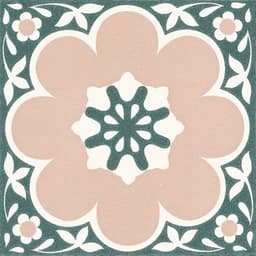
| Best overall |  FloorPops FloorPops 12-in by 12-in Pink Daphne Vinyl Peel and Stick Floor Tiles (10 Tiles) | Not stated | 10 sq ft (about 0.93 m²) | Textured low lustre; pink and green floral | 7.0 | about £14.00 | View offer |
 CYEER CYEER 40Pcs Vinyl Floor Tiles Self Adhesive, 30x30cm, Grey Marble Effect | 1.3 mm | 3.6 m² by count | Grey marble effect | 7.5 | about £29.37 | View offer | |
| Best value |  YAYODS YAYODS Grey Self Adhesive Floor Tile Vinyl Flooring, 40 Pack, 30x30cm | 1.3 mm | 3.6 m² | Grey concrete effect | 6.4 | about £21.59 | View offer |
Best overall
FloorPops FloorPops 12-in by 12-in Pink Daphne Vinyl Peel and Stick Floor Tiles (10 Tiles)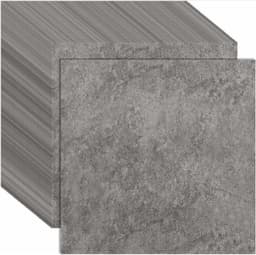
Rank 2
CYEER CYEER 40Pcs Vinyl Floor Tiles Self Adhesive, 30x30cm, Grey Marble Effect
Best value
YAYODS YAYODS Grey Self Adhesive Floor Tile Vinyl Flooring, 40 Pack, 30x30cmOn this page
Two different floor tiles
Cost on the shelf and cost fitted
Testsieger
FloorPops FloorPops 12-in by 12-in Pink Daphne Vinyl Peel and Stick Floor Tiles (10 Tiles)Installation and substrate
Water, slip, and heating
Which should you choose
Common questions
Are peel-and-stick floor tiles on amazon the same as porcelain?
Which is cheaper per square metre in the UK?
Can you lay porcelain yourself, or do you need a tiler?
Which floor works with underfloor heating?
What standards should a real floor tile meet?
Related pages
Sources
Public UK sources and amazon.co.uk listings, checked on 19 October 2026. Shelf prices and star lines are the figures on those listings. The Topps Tiles band is a shop snapshot, not these amazon.co.uk shelf prices.
- HSE GEIS2, assessing the slip resistance of flooring (retrieved 19 October 2026)
- HSE, frequently asked questions about slips (retrieved 19 October 2026)
- HSE asbestos essentials a23, vinyl and thermoplastic floor tiles (retrieved 19 October 2026)
- BSI BS EN 14411:2016, ceramic tiles (retrieved 19 October 2026)
- BSI BS 5385-3:2024, wall and floor tiling (retrieved 19 October 2026)
- BSI BS EN ISO 10582:2018, heterogeneous PVC floor coverings (retrieved 19 October 2026)
- Consumer Rights Act 2015, section 22 (retrieved 19 October 2026)
- Topps Tiles, floor tiles (retrieved 19 October 2026)