How to lay peel and stick floor tiles
You have a spare Saturday, a carton of self-adhesive vinyl squares, and a floor that looks flat enough from the doorway. How to lay peel and stick floor tiles is decided before you peel a backing: the surface has to be dry, clean, and smooth, or the edges lift within days. We set the six amazon.co.uk packs in our [floor tiles comparison](/hub/flooring/floor-tiles) against Homebuilding, Topps Tiles, and Wickes laying notes, and we did not bond a test floor. A qualifying purchase through our links can earn a commission at no extra cost to you. Room coverage sits on the [self-adhesive floor tiles buying guide](/hub/flooring/floor-tiles/sub/floor-tiles-buying-guide).
You have a spare Saturday, a carton of self-adhesive vinyl squares, and a floor that looks flat enough from the doorway.
You have a spare Saturday, a carton of self-adhesive vinyl squares, and a floor that looks flat enough from the doorway. How to lay peel and stick floor tiles is decided before you peel a backing: the surface has to be dry, clean, and smooth, or the edges lift within days. We set the six amazon.co.uk packs in our floor tiles comparison against Homebuilding, Topps Tiles, and Wickes laying notes, and we did not bond a test floor. A qualifying purchase through our links can earn a commission at no extra cost to you. Room coverage sits on the self-adhesive floor tiles buying guide.
Our top picks
| Badge | Product | Thickness | Coverage | Removal claim | Note | Price | Offer |
|---|---|---|---|---|---|---|---|
| Best overall |  FloorPops FloorPops 12-in by 12-in Pink Daphne Vinyl Peel and Stick Floor Tiles (10 Tiles) | Not stated | 10 sq ft (about 0.93 m²) | Reusable and permanent adhesive both stated | 7.0 | about £14.00 | View offer |
 CYEER CYEER 40Pcs Vinyl Floor Tiles Self Adhesive, 30x30cm, Grey Marble Effect | 1.3 mm | 3.6 m² by count | No residue claimed | 7.5 | about £29.37 | View offer | |
| Best value |  YAYODS YAYODS Grey Self Adhesive Floor Tile Vinyl Flooring, 40 Pack, 30x30cm | 1.3 mm | 3.6 m² stated | Not stated | 6.4 | about £21.59 | View offer |
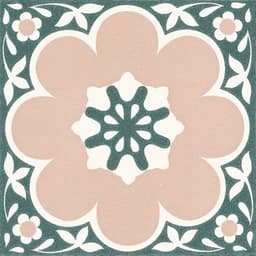
Best overall
FloorPops FloorPops 12-in by 12-in Pink Daphne Vinyl Peel and Stick Floor Tiles (10 Tiles)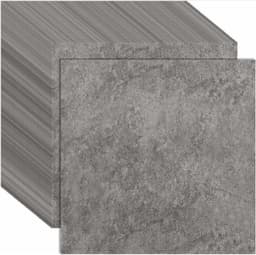
Rank 2
CYEER CYEER 40Pcs Vinyl Floor Tiles Self Adhesive, 30x30cm, Grey Marble Effect
Best value
YAYODS YAYODS Grey Self Adhesive Floor Tile Vinyl Flooring, 40 Pack, 30x30cmOn this page
Floors that can take these tiles
Set out and stick
Testsieger
FloorPops FloorPops 12-in by 12-in Pink Daphne Vinyl Peel and Stick Floor Tiles (10 Tiles)Cuts, shade, and a second adhesive
Stop
Common questions
Can I lay peel and stick tiles on existing lino or ceramic?
What should I do with floorboards before stick-on tiles?
How do I cut the last row?
Should I buy extra adhesive first?
How long before I wash the new floor?
Related pages
Sources
Public UK sources and amazon.co.uk listings, checked on 19 October 2026. Shelf prices and star lines are the figures on those listings. The Topps Tiles band is a shop snapshot, not these amazon.co.uk shelf prices.
- HSE GEIS2, assessing the slip resistance of flooring (retrieved 19 October 2026)
- HSE, frequently asked questions about slips (retrieved 19 October 2026)
- HSE asbestos essentials a23, vinyl and thermoplastic floor tiles (retrieved 19 October 2026)
- BSI BS EN 14411:2016, ceramic tiles (retrieved 19 October 2026)
- BSI BS 5385-3:2024, wall and floor tiling (retrieved 19 October 2026)
- BSI BS EN ISO 10582:2018, heterogeneous PVC floor coverings (retrieved 19 October 2026)
- Consumer Rights Act 2015, section 22 (retrieved 19 October 2026)
- Topps Tiles, floor tiles (retrieved 19 October 2026)