Stove fan or electric fan heater: which costs less

A stove fan moves heat the fire has already made and takes no mains. A 2 kW fan heater costs about 53p an hour at the published late-2026 UK cap rate.
On this page

The stove has been alight for an hour. The sofa is comfortable, and the desk by the door still feels like the hallway. Choosing a stove fan or electric fan heater is a choice about where the heat comes from. A heat-powered stove fan pushes air the fire has already warmed. A plug-in fan heater makes new heat from a 13 A socket, and that heat sits on the bill for every hour the element draws power.
The figures below come from the Valiant FIR361 listing on amazon.co.uk and from published UK unit rates for late 2026. This page has not metered your house, and it has not lab-tested airflow or noise. If you buy through our amazon.co.uk links, a qualifying purchase can earn a commission at no extra cost to you.
In short
A heat-powered stove fan moves air the fire has already warmed. On the amazon.co.uk listing, the Valiant FIR361 is described as needing no external power, at £39.99. An electric fan heater makes heat from the mains. At 26.32p per kWh, the unit rate UK Home Energy quotes for the Ofgem price cap from 1 October to 31 December 2026, a 2 kW heater comes to 52.64p an hour.
A stove fan and a fan heater do different jobs
A stove fan stands on a flat, hot stove top. A thermoelectric module in the base turns the temperature difference into a small current, that current spins the blades, and the blades push warm air further into the room. REUK notes that this leaves the stove’s heat output unchanged. The fire still makes the heat. The fan only changes where some of that warm air sits, which helps when heat has pooled at the ceiling or against the stove.
An electric fan heater is a resistance heater with a blower. The Centre for Sustainable Energy describes these heaters as fully efficient at the point of use, and still as an expensive way to heat a room for a long time, because the electricity becomes heat and electricity is the dear fuel. The running cost is the kilowatt-hours.
They suit different evenings. Once you have decided to light the fire, the fan is the cheapest way to move stove heat, with no heater load on the meter. The fan heater makes heat in a room the stove does not serve, or before the stove is hot. Our stove fan comparison covers the heat-powered models.
The electricity a heat-powered fan does not use
The heat-powered models in that set run from £18.69 to £44.99. The top pick is the Valiant FIR361: four aluminium blades, £39.99 on amazon.co.uk, 4.5 from 2,228 reviews, and a one-year warranty. The listing calls it heat-powered and cordless, with no external power source. The box is the fan alone, with no thermometer in the carton.
The page also prints 4 watts and 5 volts. Those figures are the module’s output once the top is hot, and we did not confirm them with a plug-in meter. Printed noise is 45 dB, a catalogue line rather than a living-room test. Valiant’s sheet gives about 199 mm of height, a start around 50°C, an optimum surface of 80–250°C, and a maximum of 340°C. The listing’s 8 × 7 × 4 cm size clashes with that sheet, so leave it out of any gap measurement.
A thermally controlled actuator protects the fan. The stove’s own controls still set the burn. You pay the shelf price once, and a spinning fan then adds nothing to the electricity bill. Below the start temperature the blades stay still. Logs or smokeless fuel stay a separate cost. What a stove fan costs to run is that purchase, not a unit rate.
What a 2 kW fan heater costs per hour
UK running cost is the power on the label, times the unit rate, times the hours. UK Home Energy states the Ofgem cap at 26.32p per kWh for 1 October to 31 December 2026, and notes that heater type does not change the kilowatt-hours. A 2 kW fan heater and a 2 kW convector cost the same per hour while both draw 2 kW. The fan heater warms the air quickly and stops adding heat when you switch it off.
Two kilowatts for one hour is 2 kWh, so 52.64p, about 53p. A true 1 kW setting is 26.32p. A 3 kW heater is 78.96p. Sust-it’s October 2026 table puts 2 kW at about £0.53 an hour on £0.26 per kWh. The Centre for Sustainable Energy puts a 2 kW fan heater at about 55p an hour on a 26p assumption. This page uses 52.64p from the dated cap.
The standing charge is paid whether the heater is on or off, so it stays out of the hourly line. Use your bill if you are on a fix or a time-of-use rate. Four hours is £2.11. That spend matches the £39.99 shelf price after about 76 hours, or about 19 evenings of four hours, and only if the stove was already going to be lit.
When a stove fan will not warm the room
With the stove out, the fan stays still. Valiant’s start is around 50°C. On a first evening people often decide the fan is broken and plug the heater back in. Give the top time to heat, and seat the fan flat on the stove. If it is still still on a properly hot top, look at placement or a failed module, which why a stove fan will not spin covers.
The sheet height of about 199 mm needs clearance. A low mantel or an inset with no flat hot plate is a gap the 8 × 7 × 4 cm catalogue line will understate. The fan stirs only the room the stove is in.
A stove that is too small stays too small, because output is unchanged. The 340°C line is the fan’s maximum, not a stove target. The fan is neither the air control nor a carbon monoxide alarm.
When an electric fan heater is the dear option
The heater is the dear option when the stove is already heating the room and the heater still runs all evening. Four hours is £2.11 on top of the fuel in the fire. The Centre for Sustainable Energy’s point is this long stretch: efficient at the plug, expensive as the way you keep a room warm.
Pointing the grille at the stove still bills the hour. A 2 kW element is still 2 kWh. Keep the body and the lead off the hearth, the stove, and the flue. A 2 kW load is about 8.7 A at 230 V, which a 13 A wall socket can take, and a poor load for a lead left coiled on a reel. In a spare room, or for the half-hour before the fire is hot, the heater is the right tool, at about 53p an hour for a 2 kW model. Follow its manual before you leave it running.
Log burner fan or electric heater
If the log burner is the evening heat and one side of that room lags, buy the fan. Once the fire is lit for its own sake, the fan adds nothing to the meter. With no stove, skip the fan and use the heater at your unit rate. At the late-2026 cap, keep 52.64p an hour in mind for a true 2 kW draw.
If you want both, put the fan on the stove and the heater in another room, or only until the top reaches about 50°C, then switch the heater off. A further evening of running it just in case is another £2.11. A plug-in fan with no element is a third product, and this page has not priced its socket load. The heat-powered models are sold as running from the stove top.
Common questions
Which is cheaper to run, a stove fan or an electric fan heater?
Will a stove fan warm a room with the stove out?
Will an electric heater move stove heat for nothing?
What does a 2 kW fan heater cost per hour in late 2026?
Is a stove fan a heater?
Can I use a stove fan and an electric fan heater together?
What if I have no stove?
Does a stove fan need a 13 A socket?

Peter F. is the editor for DIY & tools at productscompared.co.uk. Comparisons in this category are checked against amazon.co.uk listings, review evidence and public UK sources.
Related articles

What a stove fan costs to run
The cost is the purchase. A heat-powered fan has no plug, so the meter does not move because the fan is turning.

Why a stove fan will not spin
A still fan usually means a cool stove top, a poor position, or a module that has failed. The room stays unstirred until the top is hot.
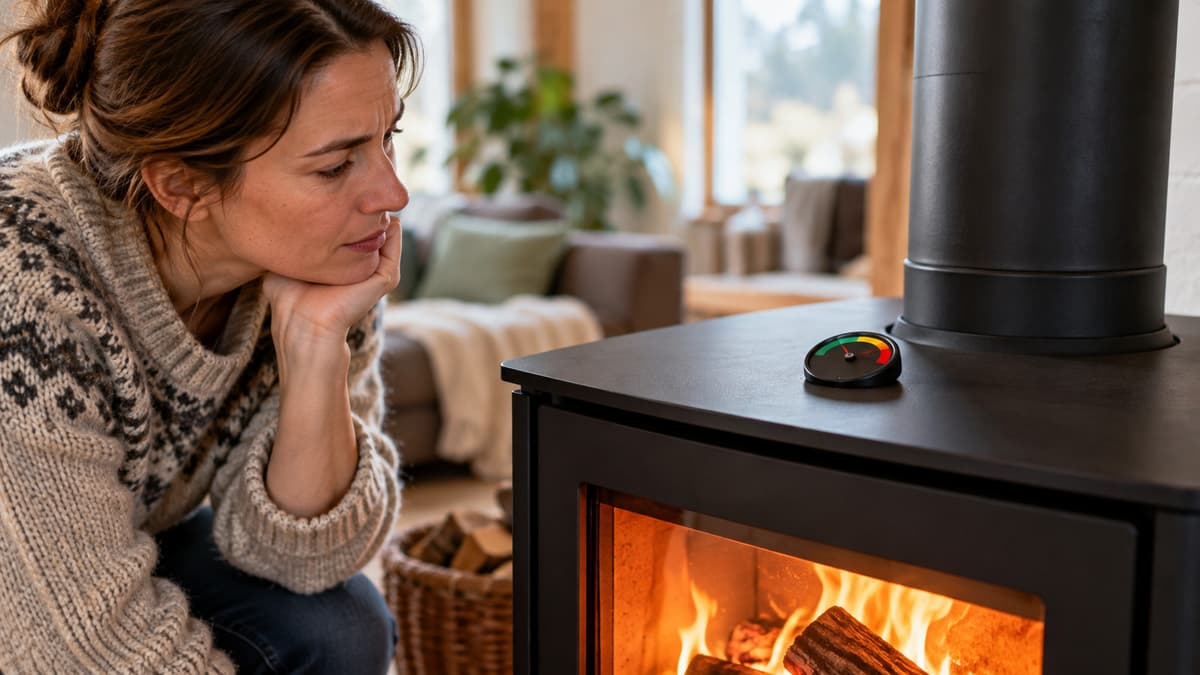
How to read a stove thermometer
Stove-top and flue-pipe thermometers read different places. Follow the band on the gauge you own, and the stove manual.