Independent comparisons. We may earn from shop links. More info

How to Use a Wormery

Updated: October 2026

You have a new wormery and a bag of scraps, and the usual mistake is to overfeed it on day one. A small colony cannot keep up, and the contents turn sour. This page shows how to use a wormery: bedding first, a small feed after a week, liquid drained and diluted, and compost taken out on the clock for your bin. If you are still choosing, start with the [worm composter buying guide](/hub/fertiliser-soil-and-bark-mulch/worm-composter/sub/worm-composter-buying-guide) or the [worm composter comparison](/hub/fertiliser-soil-and-bark-mulch/worm-composter). A qualifying purchase can earn us a commission at no extra cost to you.

You have a new wormery and a bag of scraps, and the usual mistake is to overfeed it on day one. A small colony cannot keep up, and the contents turn sour.

Our top picks

On this page

Set the bin up before the first scrap

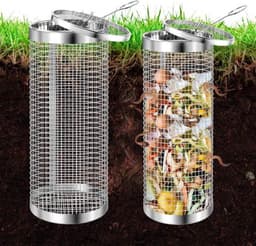
Start with bedding, not food. The RHS advises about 8 cm of shredded paper, cardboard or coir, moistened until it feels like a wrung-out sponge. Add the composting worms and leave them for about a week. None of the listings compared here states that worms are included. Use Eisenia fetida, also sold as tiger or brandling worms, or Dendrobaena veneta, not garden earthworms. Keep a stack in shade or under cover. The RHS puts the comfortable range at about 18 to 25°C. A buried tube goes into a hole slightly deeper than the tube. If the lid sits flush, rain can swamp the contents, so leave it standing proud of the surface.

Feed little and often

After that week, add a small amount of chopped kitchen waste. The RHS says no more than 8 to 10 cm at a time, and only once the last layer has mostly gone. Peelings, tea bags, coffee grounds, eggshells and torn cardboard are the usual diet. A MidingChai listing also names potato peelings, cut flowers and paper towels, and tells you to leave out dairy, bones, onions, garlic, citrus peel and banana skins. Keep meat, fish and dairy out. They attract rats and flies. The GOV.UK note on animal material is about farm animals and catering waste on a compost heap, not permission to add meat to a wormery. If the bin smells, stop feeding, remove the excess and mix in dry bedding. For tiny flies, bury the scraps or cover them with damp newspaper. Do not use chemicals. Reviewers of the buried bins also report flies unless some soil goes in with the scraps.

Drain and dilute

A wormery with a tap, such as the DIVCHI stack, collects liquid at the bottom. Drain it a couple of times a week, and do not leave the tap shut, because stagnant liquid turns the bin sour. The RHS and BBC Gardeners' World say to dilute it about 1 part to 10 parts water, so it looks like weak tea, and not to store it for long. A buried tube has no tap. Slots and vents let liquid seep into the soil, so there is nothing to collect and nothing to carry to a pot across the garden.

Take compost out on the right clock

There is not one harvest interval. For a single full bin, the RHS says to empty it when it is full, usually after about 8 to 12 months. For a stack, Wiggly Wigglers puts the bottom tray at roughly every three to six months, once it is dark and crumbly. A buried tube has no tray, so the compost stays in the bed. Leave the worms in the fresh upper tray, or draw them up with a new layer of food. The RHS says a wormery can manage up to four weeks without food if liquid is still drained. Check the lid, the shade and the damp bedding before you go.

When to call the seller or a professional

Contact the seller if the parcel arrives smashed, as one Relaxdays reviewer found, or if a lid will not close. A bent lid on a buried UNIFAMILY tube means lifting the bin out, which is easier before you add worms. If rats are already active, a thin PVC tube may not hold, and a pest controller or your council can advise. If you give compost to other people, check the rules first. The in-ground wormery versus tray wormery page covers the shape. The worm composter for a small garden page covers a balcony.

Common questions

What goes in a wormery on day one?
Put in bedding only: about 8 cm of moist shredded paper, cardboard or coir, then your composting worms. The RHS suggests waiting about a week before you add food. That gives the worms time to settle and helps you avoid overfeeding a new colony.
How much food should I add in the first week?
None. After the first week, add a small handful of chopped scraps. The RHS says to add no more than 8 to 10 cm of waste at a time and to wait until most of the last layer has gone before you add more. If food is left, reduce the amount.
Which foods stay out?
Keep out meat, fish, dairy, bones and woody waste. The MidingChai listing also says no onions, garlic, citrus peel or banana skins. The RHS says onion and citrus only suit a wormery if cooked and in small amounts. These foods attract pests or upset the worms.
How do I dilute the liquid?
Dilute wormery liquid about 1 part to 10 parts water, so it looks like weak tea. Use it fairly soon, because the RHS advises against storing it for long. A buried tube has no tap, so the liquid soaks into the soil instead.
How long until compost comes out?
For a single full bin, the RHS gives about 8 to 12 months. For a tray stack, Wiggly Wigglers suggests harvesting the bottom tray every three to six months when it is dark and crumbly. A buried tube leaves its compost in the bed.
Can I leave a wormery for a fortnight?
Yes, in most cases. The RHS says a wormery can go up to four weeks without food if the liquid is drained. Put it in shade, check the lid and the damp bedding, and add only a small amount of food before you leave.
What if it smells or fills with tiny flies?
A smell usually means too much food or too much wet. Stop feeding, remove excess and add dry bedding. For flies, bury scraps under the bedding or cover them with damp newspaper. Do not use chemicals in the bin.

Related pages

Sources

Public UK sources used for this comparison; last accessed 15 October 2026.

  1. RHS: Worm composting (retrieved 15 October 2026)
  2. RHS: Homemade fertilisers (retrieved 15 October 2026)
  3. RHS: Earthworms (retrieved 15 October 2026)
  4. RHS: Composting through the winter (retrieved 15 October 2026)
  5. GOV.UK: Animal material in home compost heaps (retrieved 15 October 2026)
  6. BBC Gardeners' World: Best wormeries (retrieved 15 October 2026)
  7. Natural History Museum: How to make a worm composter (retrieved 15 October 2026)
  8. Wiggly Wigglers: In-ground wormery or a tray kit (retrieved 15 October 2026)