Independent comparisons. We may earn from shop links. More info

Lawn Fertiliser for Moss

Updated: October 2026

When a shaded UK lawn turns mossy, lawn fertiliser for moss is not automatically the first or the legal answer. A denser-grass claim, an iron feed and an HSE-authorised mosskiller are three different products, even when their listing words sound similar. The Substral listings here include moss wording on two products, and no checked MAPP authorisation number for any ASIN. Start with the cause, then compare the exact wording in the [Substral lawn fertiliser comparison](/hub/fertiliser-soil-and-bark-mulch/substral-lawn-fertiliser) rather than assuming that iron means the product kills moss. A qualifying purchase can earn us a commission at no extra cost to you.

When a shaded UK lawn turns mossy, lawn fertiliser for moss is not automatically the first or the legal answer.

Our top picks

On this page

Moss is usually a conditions problem first

Moss thrives where grass is weak, particularly in damp, shaded, compacted or poorly drained ground. A feed may strengthen grass when nutrients are limiting, but it cannot bring light into deep shade or drain a wet hollow. In a relaxed lawn, moss can stay. If you want dense all-grass turf, inspect drainage, shade, mowing height and compaction before you buy a treatment. Repeated waterlogging is a reason to correct the site or consult a professional, not to apply a stronger chemical. The Royal Horticultural Society suggests scarifying in October or early November where moss removal is wanted, if conditions suit the work. Rake loose material without tearing saturated soil, then deal with bare areas and the reason grass lost ground. Feeding is a later step, not a substitute for that diagnosis.

What the three relevant listings actually say

Substral Moos with Extra Iron is a 4.2 kg granular feed stating about 140 m², a 6:5:10 ratio and March to September. The wording says the lawn can compete with moss and refers to a green effect after three days. That is feeding and competition, not an authorised claim that the product kills moss. No MAPP number was recorded. Rasen-Vital is a 1-litre liquid with NK 3.5-3.5 and chelated iron. The title mentions weeds and moss, but one bullet says 150 ml in 2.5 litres covers up to 67 m², while another field says 10 m². Do not resolve that by mixing it stronger. The physical label has to identify the purpose, dose and access instructions. The 7391 iron bullets describe a feed for lawns and other plants, with no moss-kill sentence, no coverage and no dilution. The pack fields conflict between 250 ml and 2,000 ml. Express Sport & Game has no moss sentence either, so that large bag is not a moss treatment. For ordinary spreading, use the how to apply lawn fertiliser page. It does not replace pesticide instructions.

A moss-kill claim needs authorisation

Wording is not authorisation. GOV.UK says products used to protect plants in home gardens need Health and Safety Executive authorisation before sale or use for that purpose. An authorised product carries approval information and directions for where, when and how to use it. The Royal Horticultural Society warns that iron sulphate sold as a fertiliser should not be used to control moss unless it is in an HSE-approved proprietary mosskiller. Do not improvise with plain ferrous sulphate, vinegar, bleach or another household chemical, and do not strengthen an approved mix. Uneven application can blacken or kill grass. No MAPP number was checked for these ASINs. That does not prove a product is unauthorised, and it does not prove approval. If the pack makes a moss-killing claim, confirm the MAPP number in the HSE pesticides database and follow that label. HSE example notes for ferrous-sulphate lawn treatments mention a moist, growing lawn, avoiding drought or frost, watering if rain does not arrive, and raking at the specified time. Those notes are not a rate for these Substral products.

Give moss less space in the lawn

If you want the lawn to stay as grass, reduce the conditions that favour moss. Raise the mowing height in shade, relieve compaction when the soil allows, improve drainage and avoid scalping. Overseed bare areas in season and keep new seed moist. EasyFix includes seed and fertiliser, but the pack weights conflict, so check the physical pack. Choose a feed for the area and the season, not for the word moss alone. The Moos March-to-September range is not an October autumn feed. Rasen-Vital’s conflicting areas prevent planning from the listing alone. The lawn fertiliser buying guide separates area, job and month.

Common questions

Will the Substral Moos bag kill moss?
The listing says it helps the lawn compete with moss and promotes a green effect. That evidence does not verify a moss-killing authorisation. No MAPP number was checked for this ASIN. Treat it as a feed claim unless the physical label carries an authorised moss-control use that you verify.
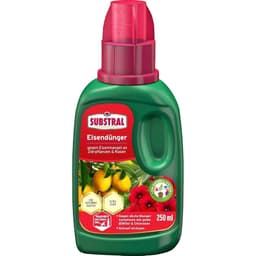
Is the Substral 7391 iron bottle a mosskiller?
Not on the listing evidence here. Its bullets describe iron feeding for lawns and other plants and contain no moss-kill sentence, coverage or dilution rate. The bottle-size fields also conflict, at 250 ml and 2,000 ml. Do not use it to kill moss unless an authorised physical label explicitly supports that use.
What does the Rasen-Vital moss wording mean?
Its title and use field mention weeds and moss, but marketplace wording alone is not proof of HSE authorisation. The listing has no MAPP number and contains conflicting coverage figures. Check the physical product label and the HSE database before you use it for control, and never increase the stated concentration.
Can I use plain iron sulphate to blacken moss?
The Royal Horticultural Society says iron sulphate sold as a fertiliser should not be used to control moss unless it is in an HSE-approved proprietary mosskiller. A visible blackening effect does not make an improvised use authorised or safe. Choose a verified product and follow its exact label if control is required.
Why does moss keep returning?
Control is temporary when damp, shade, compaction, close mowing or weak grass remains. Improve drainage where possible, relieve compaction, raise the mowing height in shade and repair bare turf. If waterlogging repeatedly returns, seek professional advice rather than repeating feed or chemical treatment.
Can I use vinegar or bleach on lawn moss?
No. Household chemicals are not approved lawn moss treatments and can damage grass, soil life, nearby plants and water. Use mechanical control, or an HSE-authorised home-garden product for the stated purpose. Keep residues out of drains and follow local disposal advice for unwanted garden chemicals.

Related pages

Sources

Public UK sources and amazon.co.uk listings used for this comparison; last accessed 15 October 2026.

  1. RHS: Spring and summer lawn care (retrieved 15 October 2026)
  2. RHS: Autumn lawn care (retrieved 15 October 2026)
  3. RHS: October lawns (retrieved 15 October 2026)
  4. RHS: Fertiliser labels explained (retrieved 15 October 2026)
  5. RHS: Moss in lawns (retrieved 15 October 2026)
  6. Fertilisers Regulations 1991, Schedule 2 (retrieved 15 October 2026)
  7. HSE: Garden and home pesticide use (retrieved 15 October 2026)
  8. HSE: Lawn-treatment labelling (retrieved 15 October 2026)
  9. amazon.co.uk Substral lawn fertiliser listings, 15 October 2026 (retrieved 15 October 2026)