Independent comparisons. We may earn from shop links. More info

How to Apply Lawn Fertiliser

Updated: October 2026

If you want to know how to apply lawn fertiliser evenly, start with a measured lawn and a weighed dose, not the spreader dial. Brown stripes and scorched patches usually point to overlap, spillage or too much product, while pale strips show a missed pass. Granules and liquids differ, but both depend on the instructions on your own pack. Compare the stated rates in the [Substral lawn fertiliser comparison](/hub/fertiliser-soil-and-bark-mulch/substral-lawn-fertiliser), then follow the physical label if an online field conflicts. A qualifying purchase can earn us a commission at no extra cost to you.

If you want to know how to apply lawn fertiliser evenly, start with a measured lawn and a weighed dose, not the spreader dial.

Our top picks

On this page

Weigh the dose before you open the spreader

Measure the lawn in square metres. Multiply length by width, or add smaller rectangles, and subtract borders, patios and ponds. A lawn of 12 m by 8 m is 96 m², not the coverage printed on the bag. Multiply that area by the labelled rate. Premium Sport & Play states 25 g/m², so 96 m² takes 2.4 kg. EasyFix states 50 g/m², which would be 4.8 kg, but it includes seed and a soil improver and is not a feed-only bag. Use scales. Do not estimate the quantity from hopper depth. The organic granules have no grams-per-square-metre rate, and the 7391 iron liquid has no dilution. Do not copy a rate from another Substral product. Postpone the application if you cannot establish the dose. Do not mow straight after granules, because the mower can collect product. For the month, use the spring or autumn lawn feed page. Technique cannot make a high-nitrogen summer feed suitable for October.

Calibrate, walk steadily and close the hopper

A spreader setting is only a starting point, because granule size, machine condition and walking speed change the output. Calibrate on clean, dry paving, not on the lawn. Mark a known test area, put in a weighed quantity and make a pass at your normal pace. The amount left shows whether the opening needs adjustment. If the label permits it, apply half the dose in parallel passes and the other half at right angles. Keep the same walking speed. A 25 g/m² total becomes two 12.5 g/m² passes, not two full-rate passes. Close the hopper before you stop or turn. Never fill the spreader on grass: a pile under the machine can burn the turf. Load it on paving, recover spills and keep granules out of drains. EasyGreen and EvenGreen are named only on EasyFix. Premium and Express name spreaders and robotic mowers, but not machine settings. Apply in calm, cool, moist conditions, and follow the access wording on the label.

Mix liquids at the bottle rate

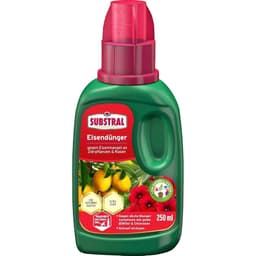
Liquid feed needs the same area calculation, plus a measuring jug kept for garden products. A Rasen-Vital bullet says 150 ml in 2.5 litres of water and up to 67 m², while another field says 10 m². Do not pick the convenient figure and do not double the concentrate. Verify the bottle before you decide how much lawn one mix treats. Mix only what you need and overlap the sweeps so the area is wet without puddles. Use a watering can or a sprayer, and clean equipment without washing residue into a drain. The 7391 iron bottle is a stop case. The listing shows both 250 ml and 2,000 ml, and no dilution rate. Do not transfer Rasen-Vital’s ratio to it. Confirm the bottle size and mixing instructions first.

Water in correctly and respond to scorch

Granular feed commonly needs rain or watering to move it off the leaves, but the label remains decisive. If rain does not follow, water evenly rather than flooding low spots. EasyFix says mow, apply and water, which also matters for its seed. Watering in is not a guarantee that pets can return. Use the label’s access instructions. If granules are already too heavy, remove visible piles and water the area as soon as the label allows. Regular brown stripes suggest overdose or overlap. Do not feed the pale strips until you understand the pattern, and do not neutralise fertiliser with another chemical. Ask a professional if brown areas keep spreading after you stop feeding, if waterlogging keeps returning, or if you are managing sports turf. If an old bottle may be a pesticide and the label is unreadable, do not guess the use or the disposal route.

Common questions

Do I have to use a spreader?
Not for every product, but a calibrated spreader is safer and more even than hand broadcasting on a large lawn. Granules applied by hand can create concentrated bands and missed patches. Liquids need a watering can or a suitable sprayer instead. Match the equipment to the label and to the measured dose.
Can I rely on the spreader dial number?
No. Dial numbers vary by spreader, granule size and walking speed. Test a weighed amount over a known area on clean paving, then adjust the opening. Shut the hopper before every stop and turn. Use half-rate passes in two directions only when the product instructions allow it.
When should I water lawn fertiliser in?
Follow the product label. Granular feeds are commonly applied in cool, moist conditions and watered in if suitable rain does not follow. Water evenly enough to move granules off the grass leaves without causing runoff. EasyFix’s directions include watering because the mix also contains seed.
What causes brown stripes after feeding?
Regular stripes usually indicate overlapping full-rate passes, an uncalibrated spreader or a change in walking speed. A single severe patch can come from a spill or from filling the hopper on grass. Remove visible piles, water according to the label and pause further feeding while you assess recovery.
Can I make a liquid mix stronger?
No. Health and Safety Executive guidance says not to strengthen pesticide mixes, and increasing an ordinary liquid feed also raises the risk of scorch. Use the exact bottle rate. Rasen-Vital’s coverage figures conflict, and the iron bottle has no dilution stated, so both need a physical-label check rather than an improvised concentration.
Does iron feed automatically treat moss?
No. Iron nutrition, wording about grass competing with moss, and an HSE-authorised mosskiller are different things. The 7391 iron bullets make no moss-killing claim. Read the lawn fertiliser and moss page before you use any product specifically to control moss.

Related pages

Sources

Public UK sources and amazon.co.uk listings used for this comparison; last accessed 15 October 2026.

  1. RHS: Spring and summer lawn care (retrieved 15 October 2026)
  2. RHS: Autumn lawn care (retrieved 15 October 2026)
  3. RHS: October lawns (retrieved 15 October 2026)
  4. RHS: Fertiliser labels explained (retrieved 15 October 2026)
  5. RHS: Moss in lawns (retrieved 15 October 2026)
  6. Fertilisers Regulations 1991, Schedule 2 (retrieved 15 October 2026)
  7. HSE: Garden and home pesticide use (retrieved 15 October 2026)
  8. HSE: Lawn-treatment labelling (retrieved 15 October 2026)
  9. amazon.co.uk Substral lawn fertiliser listings, 15 October 2026 (retrieved 15 October 2026)