Independent comparisons. We may earn from shop links. More info

Blueberry fertiliser UK: ericaceous feed and rainwater

Updated: October 2026

You bought a blueberry in a pot, or you planted one in soil you thought was acidic, and the shop search sent you to berry fertiliser. Blueberry fertiliser UK means pH about 4.5 to 5.5, ericaceous compost, rainwater and a modest acid feed. Open the [berry fertiliser comparison](/hub/fertiliser-soil-and-bark-mulch/berry-fertiliser) if you need to see why those eight amazon.co.uk listings are a different job. Advice below comes from the Royal Horticultural Society, Gardeners' World and the listings in this set. We did not trial an ericaceous feed. A qualifying purchase through our links can earn a commission at no extra cost to you.

You bought a blueberry in a pot, or you planted one in soil you thought was acidic, and the shop search sent you to berry fertiliser.

Our top picks

On this page

Blueberries are ericaceous plants

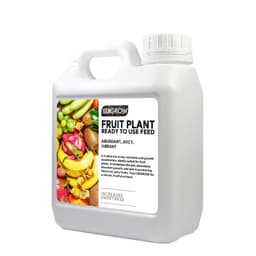
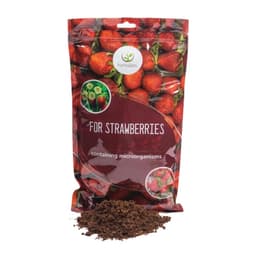
Strawberries, raspberries and currants will take a high-potash liquid or a berry-and-fruit granule. Blueberries are ericaceous. The RHS puts the soil at about pH 4.5 to 5.5. Gardeners' World writes about 4 to 5.5 and tells you to water with rainwater because UK tap water is often limy. Dr Forest's note is blunt: tomato feed can suit strawberries in fruit and is the wrong choice for blueberries, camellias and other ericaceous plants. The versus page berry fertiliser or tomato feed is for strawberries. Azet's bullets name berry bushes among fruit shrubs. That is a mixed fruit sentence, not an ericaceous formula on the Neudorff UK page. Hortulani is a strawberry soil improver. UK GROW's bottles name strawberry or fruiting plants. Yellow leaves often mean the pH is too high, the compost is ordinary multi-purpose, or the tap is limy. Check those three before you increase the dose. Plantura's UK note says spent coffee grounds are not acidic enough to correct the pot. If the plant is a strawberry or a raspberry, the berry fertiliser buying guide stays with those crops.

Compost, water and mulch first

Use an ericaceous, ideally peat-free, mix. Ordinary multi-purpose compost is a lime problem. The RHS container note is to repot every two years. A blueberry left in tired compost will yellow whether you buy another bottle or not. Collect rainwater if you can. Gardeners' World is explicit because tap water in much of the UK raises pH over time. If you have only tap water, keep the feed modest. Do not stand the pot in a saucer of tap water for days. Pine needles, bracken or an ericaceous mulch keep the surface cool. The RHS chicken-manure page puts poultry manure around pH 6.5 to 8, the wrong direction for Vaccinium. Farmyard manure and a berry granule made with animal by-products belong on a different crop. If last year's fruit was poor on a 30 cm patio pot, look at watering and compost before you open a bottle.

Feed little, and with an acid feed

When you do feed, use an ericaceous fertiliser, and use less than you would on a hungry strawberry basket. The RHS says a modest ericaceous granule if the plant needs it, and a pot liquid every two to three weeks. Gardeners' World is weekly on pots. The RHS container page also mentions an ericaceous liquid once a month. Those calendars disagree on the week. They agree on ericaceous and on a modest dose. Do not scale a hectare figure onto a patio pot. Overfeed is the named warning on the RHS blueberry page. A dark, leafy plant with little fruit is the usual result of too much nitrogen. Stop if growth is already soft and dark. Yellow leaves in week one are more often pH than hunger. Branded ericaceous liquids next to camellias are a different aisle, and they are not in this eight-pack set. We do not invent an NPK for a bottle we did not capture. Water first, then use the printed rate, and keep feed off the stem.

What this comparison can and cannot sell you

None of the eight kept listings is an ericaceous blueberry feed. Hortulani is strawberry. The UK GROW bottles are strawberry or fruiting-plant liquids with no printed NPK. Azet is an organic 7-3-10 berry-and-fruit granule with animal by-products. Naturen prints no NPK on this listing. Jobe's is a US fruit-and-nut bag. Cultivers is a vegan fruit granule with no berry list. The comparison already dropped a box foliar, a six-month all-purpose tub, a fruit-tree booster and palm spikes. The exit is ericaceous compost, rainwater and a modest acid feed. If yellow leaves remain after you have changed the compost, switched to rainwater and used that modest feed, that is a pH test or a professional, not a third bottle from this table.

Common questions

Can you use tomato feed on blueberries?
No as a default. Tomato feed is a high-potash liquid aimed at fruiting tomatoes and, by extension, strawberries. Blueberries, camellias and other ericaceous plants are the plants that note excludes.
What pH do blueberries need?
About 4.5 to 5.5 on the RHS page, and a similar 4 to 5.5 band on Gardeners' World. Ordinary garden soil and multi-purpose compost are often higher than that. Feed will not repair the pH if the compost is wrong.
Should you water blueberries with tap water?
Rainwater is the better default in much of the UK, because tap water is often limy and raises pH over time. If you have only tap water, keep the feed modest and change tired compost. Do not balance tap water with tomato feed.
Is manure OK as a mulch on blueberries?
No. Farmyard manure and poultry pellets push pH the wrong way. The RHS puts poultry manure around pH 6.5 to 8. Use pine needles, bracken or an ericaceous mulch.
How often do you feed a potted blueberry?
Use an ericaceous liquid, not a strawberry bottle. Published notes run from every two to three weeks (RHS) to weekly (Gardeners' World pots) to about monthly (RHS containers). They agree on a modest dose. Stop if the plant is already dark and leafy.

Related pages

Sources

Public UK and maker sources used for this page in October 2026. Prices, stars and review counts are from the eight amazon.co.uk listings. Shelf date 21 October 2026. A star line scaled to a score is not a laboratory test. An NPK is quoted only when that listing prints it.

  1. RHS, grow your own strawberries (retrieved 21 October 2026)
  2. RHS, grow your own raspberries (retrieved 21 October 2026)
  3. RHS, grow your own blueberries (retrieved 21 October 2026)
  4. RHS, fertiliser labels explained (retrieved 21 October 2026)
  5. Fertilisers Regulations 1991 (retrieved 21 October 2026)
  6. GOV.UK, rules to prevent water pollution (retrieved 21 October 2026)
  7. BBC Gardeners' World, how to grow strawberries (retrieved 21 October 2026)
  8. Neudorff UK, Azet fruit and berry food (retrieved 21 October 2026)