Independent comparisons. We may earn from shop links. More info

Berry fertiliser buying guide: crop, form and label

Updated: October 2026

You have a trough of strawberries on the patio, or a row of raspberries by the fence, and the shop search for berry fertiliser has dumped liquids, granules, soil improvers and blueberry feed into one basket. A berry fertiliser buying guide is the filter before you pay, not a medal table. Open the [berry fertiliser comparison](/hub/fertiliser-soil-and-bark-mulch/berry-fertiliser) when you want the eight amazon.co.uk listings side by side. This page stays on crop, form, what the bag declares, and the pack you will finish. We did not run a lab test. A qualifying purchase through our links can earn a commission at no extra cost to you.

You have a trough of strawberries on the patio, or a row of raspberries by the fence, and the shop search for berry fertiliser has dumped liquids, granules, soil improvers and blueberry feed into one basket.

Our top picks

On this page

What berry fertiliser means on amazon.co.uk

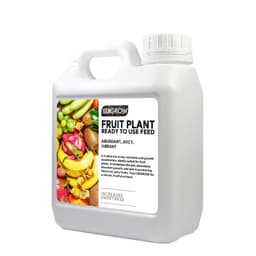
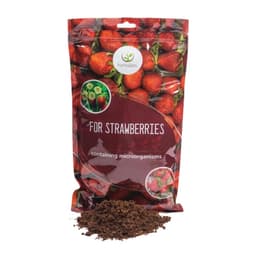
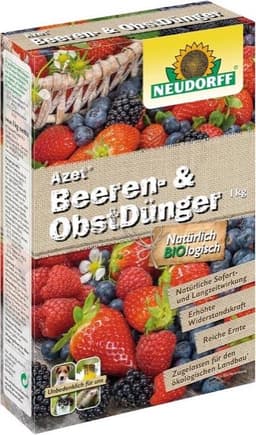
Start with the plant. Strawberries, raspberries, blackberries and currants are one buying problem. Blueberries are another. The Royal Horticultural Society puts blueberries at about pH 4.5 to 5.5 and wants an ericaceous feed plus rainwater. If that is your pot, read berry fertiliser for blueberries before you spend. The eight kept listings still split. Hortulani's 500 g at about £7.98 is a strawberry soil improver with no NPK on the listing. Naturen 1.2 kg and Azet 1 kg are berry-and-fruit granules. UK GROW's 500 ml and 5 L are strawberry liquids. The 1 L UK GROW names berries among fruiting plants. Jobe's 4 lb and Cultivers 1 kg are fruit packs without a UK berry list you can treat as a specialist. If you already own tomato feed, berry fertiliser or tomato feed is the page for that pair.

Match the form to the job

Patio pots and hanging baskets lose the compost's own feed within a few weeks, especially in peat-free mixes. That job is a diluted liquid. The three UK GROW bottles say dilute with water. None prints a cap dose or an NPK, so the bottle in your hand supplies the strength. A 500 ml bottle is for a few pots. The 5 L is for many plants, not a stronger formula. Beds are the other habit. The RHS treats mulched strawberries, raspberries and currants as plants that often need no extra feed. A 1 kg granule is the buy if last year's crop was poor. Azet prints 7-3-10 and states animal by-products. Naturen claims up to three months and states no animal ingredients. Hortulani's 500 g per 50 m² is a soil-improver coverage. Treat it as a strawberry additive you mix into soil, unless the pack you hold prints a declared analysis.

Read the bag

Great Britain packs sold as fertiliser should carry a statutory declaration under the Fertilisers Regulations 1991. Oxide numbers are not elemental percentages. In this set only Azet prints 7-3-10 and Cultivers prints 8-1-5. Do not copy a German or US analysis onto a listing that omits it. Azet's listing has no grams. The Neudorff UK brand page gives tablespoon rates, raked into the top 5-10 cm and watered. That is a brand page, not this listing. Hortulani prints 500 g per 50 m². In the Amazon reviews a United Kingdom text says that packet has no English. Store granules away from children, pets and ponds. Entry stickers sit around £8 to £12. The 5 L at about £24.99 is cheaper per litre only if you already run many plants. Jobe's at about £49.12 is the weak import.

What this page will not choose for you

This page does not name a top pick. Vitax Organic Strawberry Feed is the usual high-street bottle and it is not in this set. Mulched ground plants often need no weekly feed. Pots, poor harvests and blueberries are the exceptions the RHS writes down. Once crop, form, label and pack are clear, the comparison holds the grid.

Common questions

Do you need a specialist berry bag, or will tomato feed do?
For strawberries, a high-potash tomato liquid is an accepted substitute, especially in pots. Gardeners' World uses tomato food as the example. A berry-labelled bottle is worth money when you want a printed strawberry job, an organic granule, or you do not already own tomato feed. It is not mandatory. Blueberries are the hard stop: tomato feed is the wrong aisle there.
Is liquid or granule better for strawberries in pots?
Liquid is the usual pot and hanging-basket habit, because compost feed fades in a few weeks and you can stop when fruiting ends. A spring granule is the bed habit when last year's crop was poor. Stacking a full liquid rate on a full granule rate in a small pot is the mistake, not a belt-and-braces plan.
What NPK should you look for on a berry fertiliser?
Look for a printed analysis on the pack you buy, then a rate in grams or millilitres. Soft-fruit bags often run higher potash than a leafy 10-10-10. In this set Azet prints 7-3-10 and Cultivers prints 8-1-5. The UK GROW liquids and Hortulani do not print an NPK on the listings. Do not paste a brand-page figure onto a silent listing and then rank it.
Is a soil improver the same as a fertiliser?
No. Hortulani is sold as a microbiological strawberry soil improver with a 500 g per 50 m² rate and no NPK on this listing. A declared fertiliser should carry the statutory NPK line. You can still buy a soil improver; you should not treat it as a substitute for a declared feed unless the pack you hold prints one.
Can you use the same bag on strawberries and blueberries?
No as a default. Strawberries and cane fruit can share a high-potash liquid or a berry-and-fruit granule. Blueberries want ericaceous compost, rainwater and a modest acid feed. A general berry bag, tomato feed, manure or poultry pellets are the wrong products for Vaccinium.

Related pages

Sources

Public UK and maker sources used for this page in October 2026. Prices, stars and review counts are from the eight amazon.co.uk listings. Shelf date 21 October 2026. A star line scaled to a score is not a laboratory test. An NPK is quoted only when that listing prints it.

  1. RHS, grow your own strawberries (retrieved 21 October 2026)
  2. RHS, grow your own raspberries (retrieved 21 October 2026)
  3. RHS, grow your own blueberries (retrieved 21 October 2026)
  4. RHS, fertiliser labels explained (retrieved 21 October 2026)
  5. Fertilisers Regulations 1991 (retrieved 21 October 2026)
  6. GOV.UK, rules to prevent water pollution (retrieved 21 October 2026)
  7. BBC Gardeners' World, how to grow strawberries (retrieved 21 October 2026)
  8. Neudorff UK, Azet fruit and berry food (retrieved 21 October 2026)