Spot weld cutter rpm: one printed band, not a rule

BGS prints 700 to 2000 rpm for the 1632 set. Keep that band on those crowns: a Sealey bit has no rpm here, and oil has no proven life multiple.
On this page
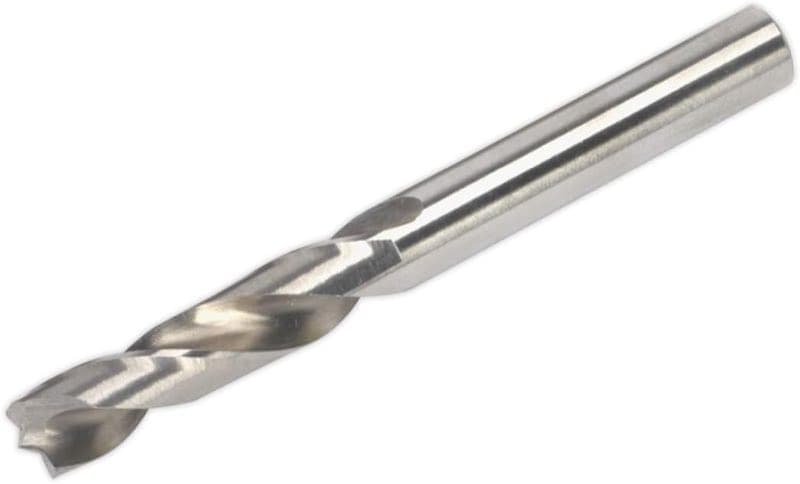
The crown is already in the chuck, the panel is marked, and the drill offers two gears with no spot-weld mark on the collar. You want a spot weld cutter rpm you can trust before the teeth meet the weld. In this set, the only printed band is the BGS 1632 at 700 to 2000 rpm, and the maker says a higher speed destroys the crowns. The Sealey AK4734 does not carry that number.
Copy the band onto a bit that never stated it and you are running someone else's specification. Stay vague on every cutter and you are guessing the other way. The Products Compared editorial team used the BGS listing and the maker page, the Mig Tig Arc page for the AK4734, a 2015 thread on the MIG Welding Forum, and the Wielander+Schill page for the WS90. We did not run a lab test. A qualifying purchase through our links can earn us a commission at no extra cost to you.
In short
BGS prints 700 to 2000 rpm for the 1632 set, and the maker says a higher speed destroys the crowns. Mig Tig Arc says slow to medium for the Sealey AK4734 and prints no rpm. Oil and paste appear as methods, including WD-40 in one Sealey review, with no proven life multiple in these sources. A 1200 rpm ceiling belongs to the Wielander+Schill WS90, including that machine's boron setup.
The only spot weld cutter rpm in this set
The only printed spot weld cutter rpm in this set is 700 to 2000, and it belongs to the BGS 1632. The listing and the BGS technic page both give that band. The maker adds that a higher speed destroys the crowns. The pages do not offer a tighter number for a particular panel. Seven hundred rpm is the floor, and 2000 rpm is the top. The sources do not pick a single point inside the band. Faster than 2000 rpm is where they say the crowns are destroyed.
The maker page repeats the speed. It is not an amazon.co.uk price. If you are deciding between a single bit and a set, the spot weld drill comparison is where those UK listings sit together. You read 700 to 2000 once, then you chuck a different brand and keep the same trigger finger. These sources give no digit for a Sealey spot weld bit. The BGS band stays on the BGS set. If the slowest speed the drill states is already above 2000 rpm, easing the trigger does not put you back inside the band.
What a slow speed spot weld drill means
When a UK seller prints no number, the line in these sources is slow to medium. Mig Tig Arc uses it for the AK4734 and does not give an rpm. Slow to medium is a gear and a feed, written in words. Nothing on those pages turns it into 700, into 2000, or into a point between them. A slow speed spot weld drill, in that seller's language, means the slower end of the drill in your hand. It does not mean the BGS floor, and it does not mean half of 2000. Writing a digit in is how the BGS band leaks onto a Sealey bit that never carried it.
A 2015 MIG Welding Forum thread shows how owners fill a gap. One user wrote about 600 rpm, with paste and with pressure. Another said very low speed and gave no figure. About 600 rpm sits below the BGS floor of 700. Averaging the forum and the BGS page invents a third speed that nobody printed. A 500 to 1000 rpm search snippet is absent from the BGS line and from the Mig Tig Arc page. The cut itself is set out in the how to use a spot weld drill guide. This article stops at the speed decision.
Cutting oil and paste, without a life multiple
Cutting oil and paste show up as methods people used, not as a measured extra life. One Sealey review names WD-40. The forum user at about 600 rpm also used paste, beside speed and pressure. Neither source says the cutter then lasted three times as long, or five times as long. A three-to-five-times claim beside cutting oil spot weld advice is not a result from these pages. You can put a lubricant on the crown because people in these traces did. You cannot bank a longer life from it.
Oil on the teeth does not cancel a speed above 2000 rpm on a BGS crown, and it does not create an rpm for a bit that never had one. If the teeth turn blue, or the crown stops cutting and you lean harder, stop. Blue is a colour you can see. These sources do not turn that colour into a temperature or a count of welds remaining. Once the edge has gone, the next decisions sit in when a spot weld bit goes blunt.
Speeds that belong to other machines
1200 rpm is the ceiling Wielander+Schill states for the WS90, including their boron setup. It is that machine's ceiling, not a universal spot weld cutter rpm, and not a target for a handheld drill or the AK4734. The number sits inside the BGS band, which makes it look like a compromise. Overlap is not permission. Use 1200 rpm on that machine, inside the setup they describe. Their page sets the top. It does not say a general crown in a domestic drill should be set there.
The 1200 rpm figure includes their boron setup on the WS90. It is not a method for cutting boron steel with a general spot weld bit. Where a panel should leave your hands, the car panel guide is where that limit is set out. An rpm printed on a drill housing belongs to the drill. For the BGS 1632 the match is 700 to 2000. For the AK4734 there is no band to match, so the drill's top speed is not a target. If you are still choosing the cutter, the buying guide puts the listing claims side by side: a stated speed you can check, or slow to medium until that seller prints a number.
Set the speed before the crown turns blue
BGS says a higher speed destroys the crowns, meaning faster than 700 to 2000 rpm on that set. A crown run too hard can heat until the teeth turn blue. A crown that catches can break. Pressure in the forum post sits beside that speed warning. These sources do not give a weld count for a failed BGS crown or a failed Sealey bit.
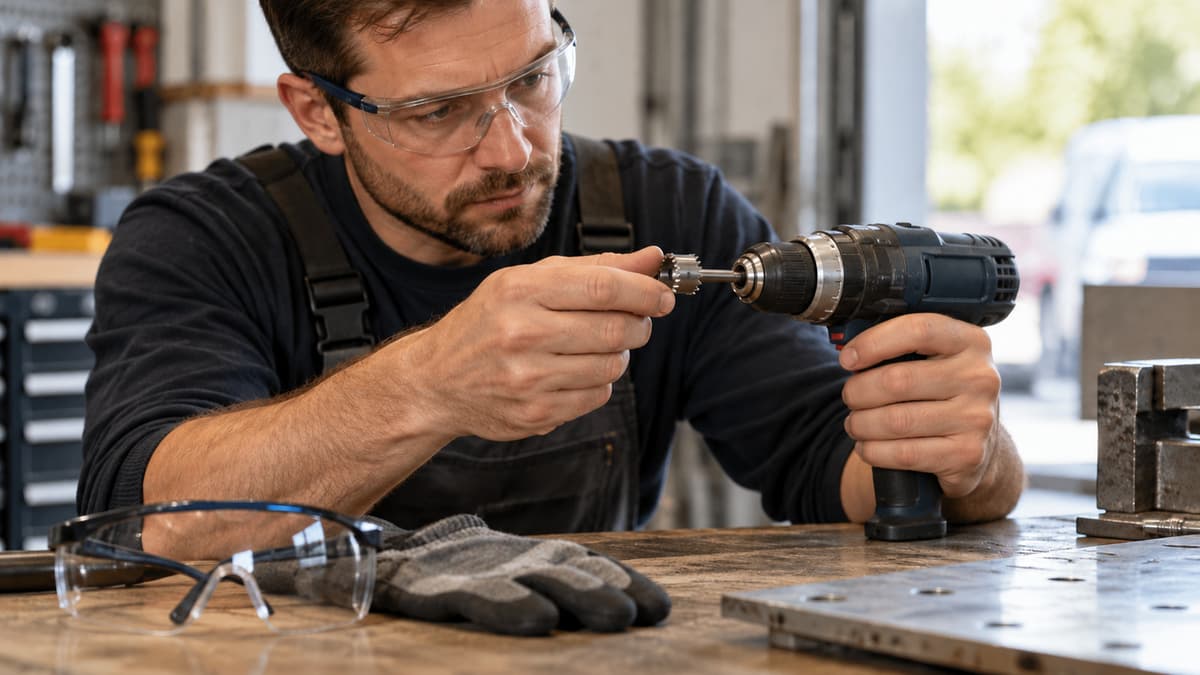
The BGS maker page also says the cutters are sharp enough that your hands need care. That glove sentence is a handling warning, not an rpm. How that warning sits next to eye protection is covered in eye protection and gloves when you drill metal. Stop when the colour changes, or when the sound goes from cutting to rubbing. Let the crown cool. A higher rpm will not compensate for a crown that has already given up.
- Name the cutter first. On the BGS 1632, use a stated drill speed inside 700 to 2000 rpm. The maker says a higher speed destroys the crowns.
- On the Sealey AK4734, follow Mig Tig Arc: slow to medium, and no rpm. Leave 700 to 2000 on the BGS set, about 600 rpm in the 2015 forum post, and 1200 rpm on the WS90.
- Leave a 500 to 1000 rpm snippet, and leave any claim that cutting oil multiplies life by three to five. WD-40 in one Sealey review and paste in one forum post are methods, not a multiplier.
- Do the cut from the how-to guide. Speed only chooses the gearbox setting. The sequence of the cut lives in that guide.
The Sealey AK4734 is the top pick when you want that single named bit. On speed, it still means slow to medium, because no rpm is printed for it. The BGS 1632 is the set that prints 700 to 2000 rpm, and the maker ties anything faster to destroyed crowns.
Common questions
What rpm does BGS print for a spot weld cutter?
What rpm should you use for a Sealey spot weld bit?
What does slow to medium mean when no rpm is printed?
Does cutting oil make a spot weld cutter last several times longer?
Why do spot weld cutter teeth turn blue or snap?
Is 1200 rpm the right speed for every spot weld drill?
Where is the full sequence for cutting a spot weld?

Products Compared publishes British-English buying guides based on amazon.co.uk listings and public UK sources. We do not run a lab and we do not invent test scores.
Related articles

When a spot weld bit goes blunt
Heat, a missed centre and a tired crown can look the same once the cutter stops.

Centre-punch the weld before you cut
A crown needs a centre before speed means anything. The punch comes first.
Eye protection and gloves when you drill metal
The maker's glove line is about sharp crowns, not about which gear to choose.