Spokeshave vs block plane: chamfer first, then a curve

A flat spokeshave and a block plane both ease a straight chamfer. Once the edge bends, the longer sole bridges the curve and the blade misses the hollow.
On this page
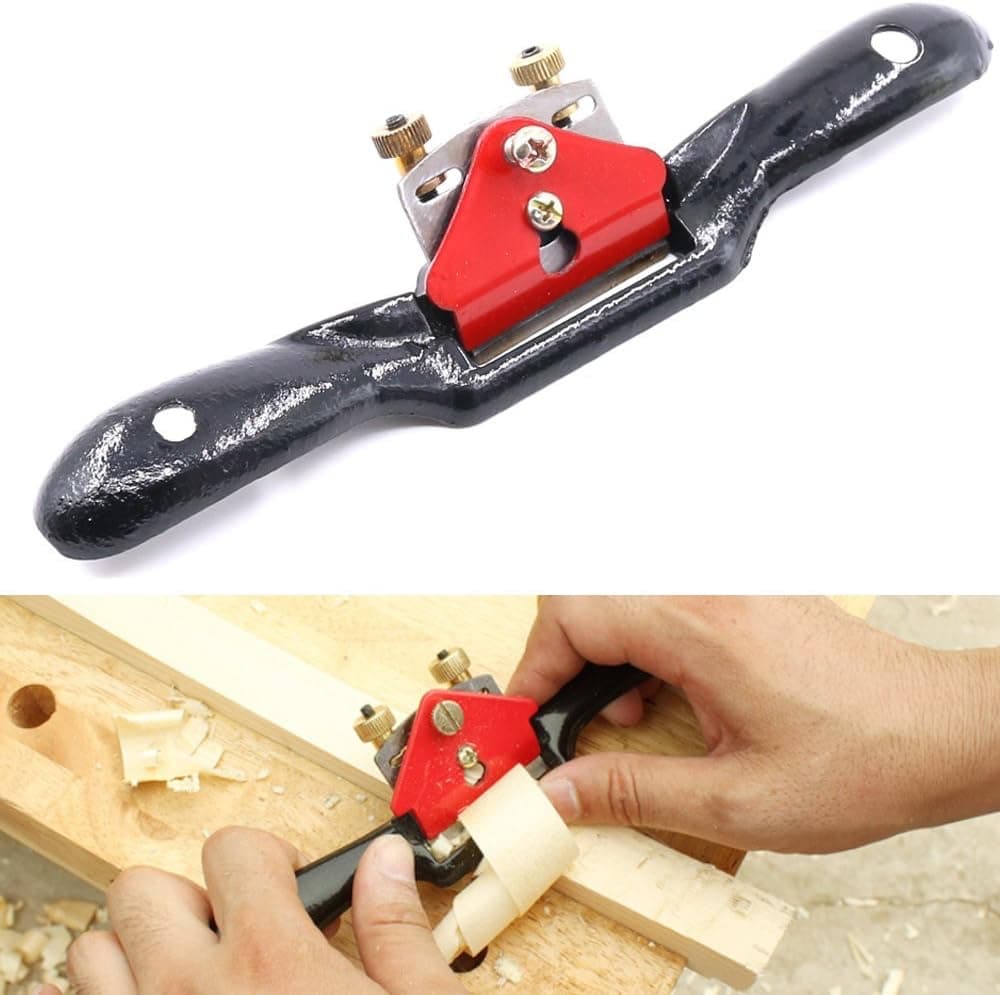
You are at a door stile, or at the arris of a shelf, and a spokeshave vs block plane choice starts on that straight chamfer. It only becomes obvious once the timber bends. On a short flat arris either tool can take a light cut, because both can present a flat sole to flat wood. As soon as the surface is a tight curve or a hollow, the longer plane sole bridges the high points and the blade misses the middle or digs at the ends.
Spokeshave prices, stars, and review counts are the amazon.co.uk figures in the spokeshave comparison, captured around 15 October 2026. How the soles behave follows public notes from Popular Woodworking, Fine Woodworking, Melbourne Tool Company, and Wonkee Donkee. There is no block-plane price here. We did not test either tool in a lab. A qualifying purchase through our links can earn a commission at no extra cost to you.
In short
On a straight chamfer, a block plane and a flat-soled spokeshave overlap, and neither wins without a test we did not run. Once the edge curves tightly, the plane sole bridges and a shave can follow, while a round sole or the SSCON curved blades are for hollows, not a flat arris. One local rub on a timber door is a flat sole and a light cut, and more than a skim is a longer plane or a joiner.
Where a flat sole and a block plane overlap
A block plane is the short hand plane many people already own: a flat sole, a blade near the front, and a rear grip. Popular Woodworking describes a flat-soled metal spokeshave as a plane with the handles at the sides. On a straight arris a few centimetres long, both soles stay in contact, so both can take a chamfer. A block plane for a chamfer on a door stile or a shelf edge is an honest use, and a flat sole spokeshave on the same arris is equally honest.
Wonkee Donkee has the shave in both hands on the side handles, while a block plane is pushed from a rear tote. Stroke and depth sit in the how to use a spokeshave guide. The busiest named flat sole is the Swpeet B0773LKJ5Y, at £8.99, 3.9 from 1,928 ratings, with a claimed 46 mm blade in a flat cast-iron base. On a long stile the short passes can wander. If a listing does not say flat or round, silence is not a flat sole.
Where the surface bends
The tools split when the work is tightly convex or concave. A longer flat sole rests on the high points, so the blade misses the hollow or digs at the ends. Popular Woodworking puts a flat-soled shave on flat or convex wood and a curved sole on concave work. Melbourne Tool Company calls a spokeshave something between a plane and a drawknife, and a drawknife has no sole to limit the depth. A spokeshave for curves is the better tool when the plane sole bridges. On an offcut, toe and heel touch, the blade skims air, and a deeper cut only shoulders the ends. If the ends touch and the cutter does not, change the sole before you change the depth.
A round sole is not a smaller block plane
A round sole curves from front to back so the cutter can enter a hollow a flat sole only bridges. On a flat arris that curve means less contact, the blade dives, and a chamfer becomes a row of dips. On a straight arris, use the flat sole or the block plane you already own.
Spear & Jackson SSROUND B0H2Z5N6SS is the named round shoe: cast iron, an adjustable carbon-steel blade, £13.33 captured, 4.1 from 93 ratings, one tool, no spare stated. Use it when a flat sole's ends touch and the cutter cannot reach. It does not replace a block plane on a door edge. The flat and round spokeshave page sets out that geometry.
Spear & Jackson SSCON B0H2YW8WKL, at £26.74 with 4.5 from 106 ratings, has concave and convex blades for rounded components, not a flat sole plus a round sole. A single locking screw, where buyers mention one, describes the adjuster, not a truer arris. Skip it for a straight edge.
A low-angle block plane is another tool
A low angle block plane turns up beside spokeshaves because both are short. They are not the same tool. A low-angle block plane is a bevel-up plane for end grain and awkward grain, while the sole is still on flat or nearly flat wood. The low bed changes how the edge meets the fibre. It does not drop the blade into a hollow the sole is bridging.
Fine Woodworking treats a low-angle, bevel-up shave, often quoted around 20° to 35°, as a different tool for green wood and heavier cuts. A bevel-down shave is nearer a bench plane, with a bed often quoted around 40° to 55°. Those ranges were not measured on these twelve tools, and none of the amazon.co.uk listings states a bed angle. For a chamfer or a curve in dry timber, sole shape comes first.
A door edge and a light skim
For a door or a gate, use a flat sole set for a light cut. One local rub, marked after the door is hung and the hinges are tight, is the job on the sticking door page. A round sole will not register that stile, and an SSCON hollow cutter is the wrong iron.
- Mark only the shiny or pencilled patch, with the door still on its hinges.
- Check that the hinges are tight and the frame has not moved. A dropped door is not a shaving.
- Set a flat sole for a fine cut and take one pass on that mark, with the grain.
- Swing the door before another pass. A second cut to be sure is how a skim becomes a gap.
- Leave a fire door alone. Trimming a certified edge can spoil the gap the door was tested with.
A stile that must come square along most of its height may still be a block plane or a joiner. More than a skim belongs with when a sticking door needs a joiner. If the leaf is a fire door, read do not plane a fire door before either tool touches it.
Swpeet B0773LKJ5Y is the top pick for general flat work. It still needs checking and a hone, and the fit stops at tight hollows. The best spokeshave page also lists the £4.44 Swpeet pair, B07NVYHGGG, if you want a second flat-base shave left on a finer setting. A second setting is not a block plane.
What this page will not rank
This page will not tell you which block plane to buy. There is no block-plane ASIN in the comparison, and a price from another marketplace would be the wrong shelf. If you already own one, use it for the straight chamfer and for a stile that must stay straight over a long edge. A Stanley plane already on the bench sits in the separate Stanley plane comparison. If you do not own a plane, do not take a model from an article that never read one.
A winner between the Swpeet and a block plane on a chamfer would need the same timber, the same sharpness, and a measured edge. A "10 inch" line on these listings is often the body, while the cutter is about 44 mm to 46 mm. That mix-up is set out in why a 10 inch cutting width is not the blade. A keen iron on the wrong sole still bridges or dives, so the hone guide comes after the sole is chosen.
Common questions
Can a block plane round a corner the way a spokeshave can?
Which tool takes a straight chamfer on a door stile?
Which tool should you use once the edge becomes a curve?
Can a flat-soled spokeshave replace a block plane on a short flat spot?
Why is a round-sole shave the wrong substitute for a block plane?
Is a low-angle block plane the same idea as a low-angle spokeshave?
What if you only want to ease one rub on a door?
Which page lists the spokeshaves in this comparison?

Peter F. is the editor for DIY & tools at productscompared.co.uk. Comparisons in this category are checked against amazon.co.uk listings, review evidence and public UK sources.
Related articles
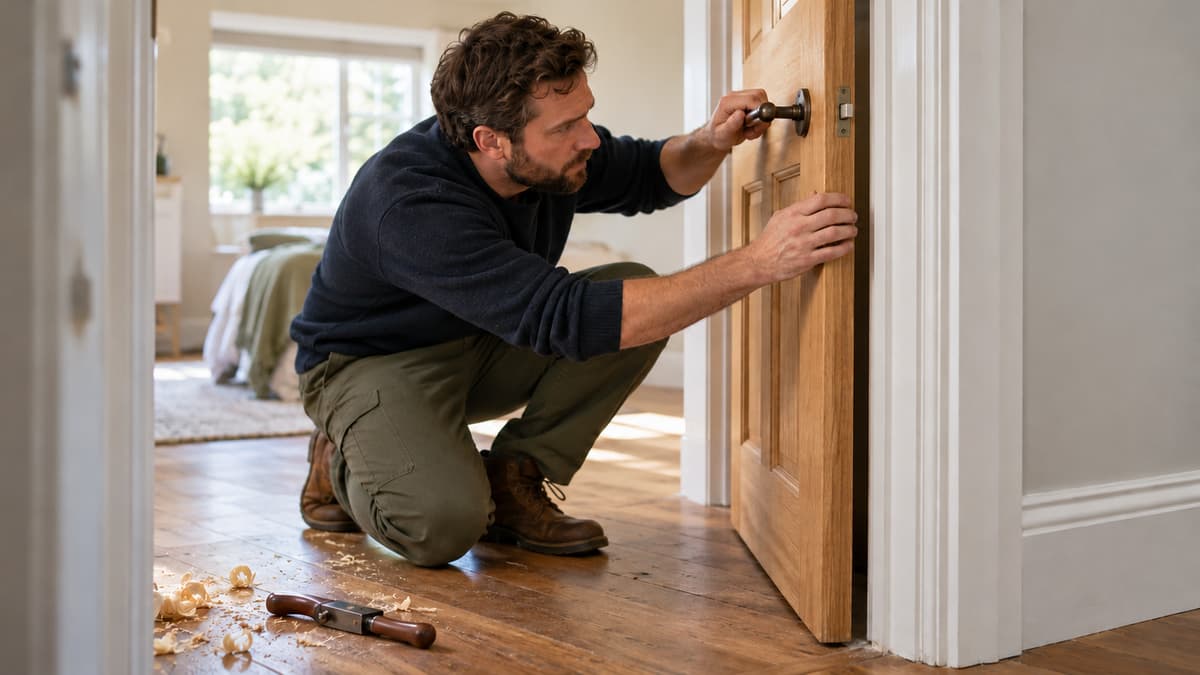
When a sticking door needs a joiner
A local rub can be a flat-sole skim. A moved frame, loose hinges, or more than a skim is a joiner's job.

Do not plane a fire door
A shave on a fire-door edge can spoil the gap the door was certified with. Stop before either sole touches it.
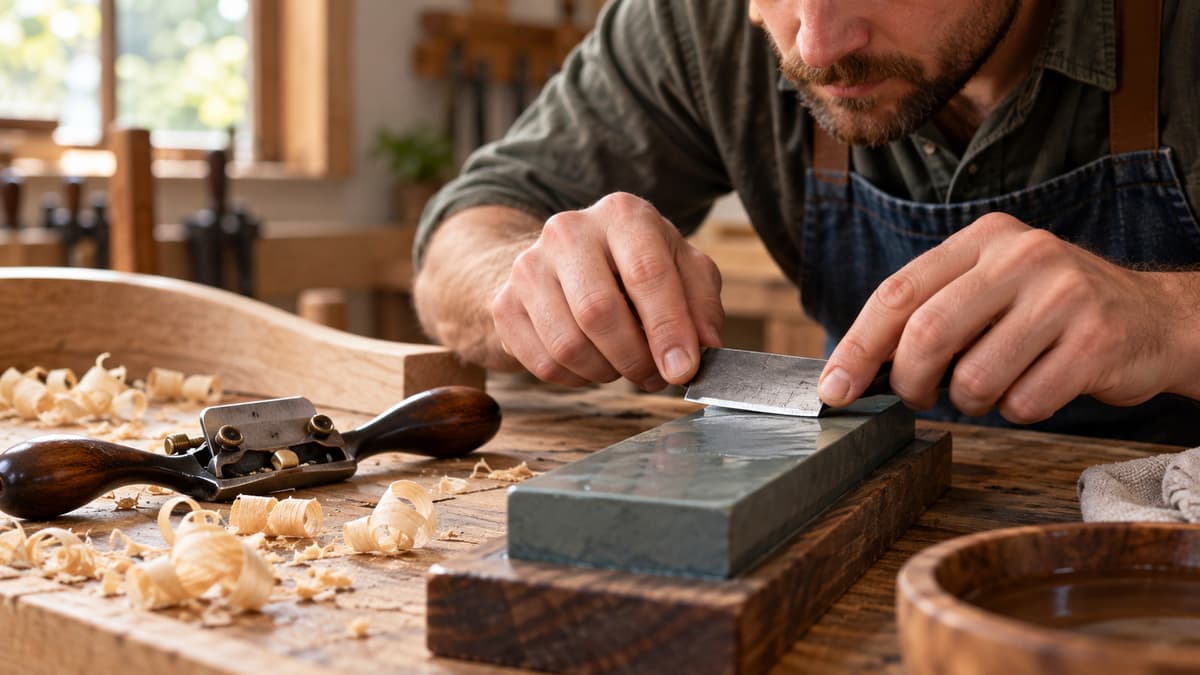
Sharpen a spokeshave blade
The right sole still skips if the iron is blunt. Hone after you have chosen flat or round, not instead of that choice.