Independent comparisons. We may earn from shop links. More info

How to set up a pool alarm

Updated: 20.10.2026

The box is open, the float or the band is on the patio, and the alarm is not set up until it is off the moving water, paired, and tested with a weight. How to set up a pool alarm depends on which of the three shapes you bought: a floating surface unit, a poolside sensor, or a LunaSafe wristband. The steps below are the shared method. Your brand’s sheet still wins where it is more specific, because these ASINs do not all publish the same manual. Prices and which type to buy are on the [pool alarm comparison](/hub/burglar-protection/pool-alarm). This page starts once you already own one.

The box is open, the float or the band is on the patio, and the alarm is not set up until it is off the moving water, paired, and tested with a weight.

Our top picks

On this page

Put the sensor where the water is quiet

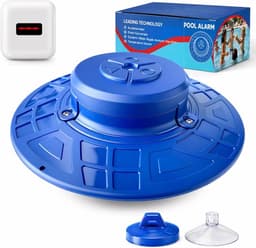
A return jet, a spa spillover, or an automatic cleaner will keep the surface busy and either trip the siren or hide a real entry if you then desensitise it. Place a floating unit away from the returns and the skimmer. ZEPLIHS says not to use the float with a solid cover or a running cleaner. RoamRider offers screws or 3M tape, with the sensing tube about 3.9 inches under the surface. Tape avoids a hole in a liner. If you are unsure whether the wall is a liner, stop before the drill. Which checks belong before you buy is on the pool alarm buying guide.

Pair the sounder you will actually hear

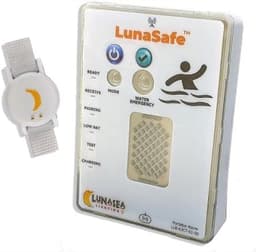
The siren that matters is the one in the house. ZEPLIHS, ESHANG, and Mystique Maison each call for four AA cells and say they are included. Generalman’s table requires one 9V battery and the bullets say it is not included. BCONE lists two AA batteries and also a 3.7 V pack. Put the receiver where you sleep. Shut the bedroom door and have someone arm the pool unit. You are paired only when that indoor sounder is unmistakable. ZEPLIHS reviews include units that failed to sync. The only UK LunaSafe review, on 17 December 2025, says a toddler fell in while the transmitter was not synchronised after the base was switched on. Pair again. Do not treat yesterday’s link as today’s.

Test with a weight, then set swim mode

Do not test by putting a child in the water. Pool Patrol and Poolguard tell you to drop a weighted jug from the far edge after the surface has been calm. Use a few litres in a sealed container, from the side opposite the sensor. Those manuals are other products. Copy the sudden entry, not a hand splash beside the float. If nothing sounds, go back to batteries and pairing. Later wind and jet alarms belong on the pool alarm false alarms page. Mystique Maison says swim mode re-arms after 10 continuous calm minutes. If the jets never allow that, the mode will not return. BCONE can be set in the app or by holding the unit vertical until two beeps. When you get out, confirm the alarm is armed again before you go inside.

When to stop and put the tools down

Stop if the next step is a hole in a liner or a US plug you would have to rewire. ZEPLIHS reviews describe a two-pin US plug, and a Generalman review mentions 110 V. UK sockets are 230 V with a BS 1363 face. A public pool or a pool let to paying guests is outside this domestic setup. At the end of the season, remove a battery float before frost if you are winterising. These ASINs do not print a storage temperature. Do not leave a ZEPLIHS float under a solid cover. The choice of float or band is on the floating pool alarm or wristband page.

Common questions

How do I test it without using a child?
Drop a sealed container of water, a few litres, from the edge farthest from the sensor, after the surface has settled. Confirm the indoor receiver with the door shut. Pool Patrol and Poolguard describe a jug test for their own alarms. Copy the idea. A hand splash beside the unit is too small. If the bedroom stays silent, fix pairing and batteries first.
What is swim mode, and when does it re-arm?
Swim mode pauses the alarm so you can use the pool. Mystique Maison claims it re-arms after 10 continuous calm minutes. If jets or wind keep the surface moving, that timer may never finish. BCONE describes app control or two beeps from holding the unit vertical. When everyone is out, check that the alarm is armed again before you go indoors.
How do I know the wristband is actually paired?
Pair it again after every time the base is switched on, then confirm the ready indication in that model’s instructions. The UK review of the one-transmitter LunaSafe says there was no alarm because the sensor was not synchronised. A band on the wrist is not enough. About 100 feet is line of sight, not a test through the walls of a house.
What batteries do these listings use?
ZEPLIHS, ESHANG, and Mystique Maison specify four AA batteries and say they are included. Generalman specifies one 9V cell, and the bullets say it is not included. BCONE lists two AA batteries and also a 3.7 V pack. LunaSafe claims about five years for the band and up to three days for the base.
Can I leave the alarm under a solid cover?
Not the ZEPLIHS float. That listing says it is not for use with a solid safety cover. A cover that holds the surface still can stop a wave sensor from seeing an entry. Take a floating unit off before you fit the cover, and store it dry. A wristband only works on the person wearing it.

Related pages

Sources

Sources taken from the research digest. Listings were checked on 19.10.2026.

  1. RoSPA — Drowning prevention (retrieved 19.10.2026)
  2. HSE — Swimming pools (retrieved 19.10.2026)
  3. HSE — HSG179 Managing health and safety in swimming pools (retrieved 19.10.2026)
  4. ASTM — F2208 pool alarms (retrieved 19.10.2026)
  5. BSI — BS EN 16582-1 domestic swimming pools (retrieved 19.10.2026)
  6. NCMD — Child drowning deaths in England, 2019–2025 (retrieved 19.10.2026)
  7. CPSC — Pool alarm study (retrieved 19.10.2026)
  8. EuroSafe — Pool alarms and drowning prevention (retrieved 19.10.2026)