Independent comparisons. We may earn from shop links. More info

How to use a cockroach trap: fold, place, then check

Updated: 17 October 2026

A sticky card in the middle of a kitchen floor can stay empty even when cockroaches are nearby. Learning how to use a cockroach trap means placing it where an insect already travels, dating the position and treating every catch as information rather than as a finished treatment. Choose a suitable card from our [cockroach trap comparison](/hub/traps/cockroach-trap), then prepare the area before exposing the adhesive. The sequence below applies to household glue monitors; always follow the instructions supplied with your particular pack. A qualifying purchase can earn a commission at no extra cost to you.

A sticky card in the middle of a kitchen floor can stay empty even when cockroaches are nearby.

Our top picks

On this page

Before you peel the cover

Begin by noting where and when you saw the insect. Cockroaches tend to move along protected edges and hide near warmth, moisture and food, so a note that only says in the kitchen is not specific enough. Record whether it ran behind the fridge, below the sink, beside the cooker or into a wall gap. That observation gives the first card a reason to be in one place rather than another. Remove crumbs, grease and accessible water around the proposed position. This is not cosmetic cleaning: alternative food can compete with an attractant, while dust can coat exposed glue. Pestmatic's listing specifically says dust shortens adhesive performance. Vacuum the edge or appliance void where practical, wipe nearby spills and let the surface dry before setting the card. Keep the unopened packs sealed until you need them, and read the product directions before touching any scored folds. Number the monitors and record which edge faces the wall. If pets or children can reach the location, choose another protected position rather than relying on a warning after the card has been set.

Fold, bait and keep the glue off skin

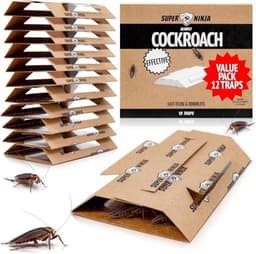
Dry your hands and handle the card by its non-adhesive edges. Pre-fold every scored line while the release paper is still in place; this reduces the chance that a stiff card springs open after the glue is exposed. One Tesmotor review reported that a card would not remain folded, so check that tabs and slots engage before committing it to a narrow void. Peel the cover slowly and away from your body. Do not press a finger onto the adhesive to test its strength. If the pack supplies an attractant tablet or pouch, position it in the centre exactly as the instructions state. Do not add crumbs, sugar or other improvised bait when none is supplied, because you could create a competing food source or make the card harder to assess. Close the card into its tunnel format when the design allows. An enclosed shape helps protect the adhesive from accidental contact, but it does not make a reachable card safe for a pet. The researched listings do not provide a reliable general method for removing glue from skin or fur. Prevent contact rather than experimenting with a solvent. In England, do not set an open glue board where a rodent is likely to cross it. Glue-trap rules differ elsewhere in the UK, so consult the cockroach trap buying guide before use if you are uncertain about your nation or the intended position.

Where a card can sit

Place the monitor tight to a wall-floor junction or with an entrance aligned along the edge. Suitable examples include below or beside a fridge, under furniture, near pipe entries and at the back of a sink cupboard, provided the surface is dry and the card remains accessible for inspection. BASF's professional guidance highlights warm, moist locations, edges of fittings and appliance areas because these are the routes and harbourages a survey needs to sample. Do not put the card in the open centre of the room merely because it is easy to see. Avoid a worktop, chopping area or any food-preparation surface; Hoy Hoy's listing expressly gives that restriction. Direct sunlight can also degrade the usefulness of a position, and a wet floor or dusty void may spoil the glue before the planned check. For a kitchen-specific route map, see our guide to a cockroach trap for the kitchen. Elsewhere, use the same principle: the card belongs where evidence or structure suggests movement. Place a small number of numbered cards in distinct positions rather than clustering them together, then record the date. Moving them every few hours prevents you from learning anything.

What the card tells you after a few days

Inspect the card regularly without putting your hand into the adhesive. A short first check can confirm that the tunnel is still open, dry and undisturbed. Thereafter, use the interval stated by the manufacturer and record catches by position. Pestmatic says its unpacked monitor can last 30–60 days, but that is an upper product claim rather than a promise for every kitchen; dust, moisture, damage or a full adhesive surface can require earlier replacement. An empty card does not prove the property is clear. It may be on the wrong route, the adhesive may be contaminated or activity may occur in another room. Recheck your original observation, inspect for droppings, egg cases or shed skins, then move or add a monitor to a genuinely different edge. Do not repeatedly bait the same poor position with food. A catch confirms activity at that location. Dispose of the card according to the pack directions and replace it if continued monitoring is needed. One insect does not identify the full harbourage or show that the population has gone. Sticky traps are monitoring tools, according to the British Pest Control Association. Repeated catches, daytime sightings, egg cases or activity in several rooms are the point to call a qualified pest controller. The same applies sooner in a food business.

Common questions

Where should I put the first card?
Use the most specific route supported by your observation: for example, against the wall beside the fridge rather than somewhere generally near the kitchen. Cockroaches favour protected edges, warmth and moisture. Keep the card dry, out of sunlight and away from food-preparation surfaces, children and pets.
Should I add crumbs when no bait is supplied?
No. A plain glue card is intended to intercept movement on a route, and improvised food can compete with the monitor or attract other pests. If you want a baited format, select a pack that supplies an attractant and follow its directions rather than inventing a recipe.
How often should I inspect a cockroach card?
Check soon after placement to ensure it remains folded, dry and undisturbed, then follow the pack's interval and keep a dated record. Pestmatic states 30–60 days once unpacked, but replace a card earlier if dust covers the glue, it becomes wet, the tunnel collapses or catches fill the surface.
What does an empty card mean?
It means only that the monitor recorded no catch at that position during that period. The route may be wrong or the card may be compromised. Inspect nearby edges and signs, confirm the glue is usable, and move a numbered monitor to a different evidence-based position before concluding activity has stopped.
Can I place a trap on the kitchen worktop?
No. Hoy Hoy's listing says not to use its monitor on food-preparation surfaces, and the same separation is sensible for sticky cards generally. Place a suitable monitor beside an edge below the work surface, under an appliance or within a protected cupboard void where it cannot contact food.
When should I stop monitoring and call a professional?
Call when catches repeat, insects appear in daylight, egg cases are present or activity extends across rooms. A catch is useful evidence, not a cure. A food business should involve a contractor promptly because household monitoring alone does not provide the inspection, treatment and records the setting requires.

Related pages

Sources

Public UK sources for cockroach monitoring, biocidal claims, and glue-trap rules in England, Scotland, and Wales. Listings are the amazon.co.uk captures for these ten ASINs on 15 October 2026, not a live reload on 17 October 2026. Prices on amazon.co.uk move. Northern Ireland was not checked.

  1. BPCA, cockroach control advice (retrieved 17 October 2026)
  2. BPCA, cockroach sizes and harbourages (retrieved 17 October 2026)
  3. HSE, insect monitoring traps (retrieved 17 October 2026)
  4. Glue Traps (Offences) Act 2022 (retrieved 17 October 2026)
  5. Scottish Government, glue trap ban from 1 July 2026 (retrieved 17 October 2026)
  6. Welsh Government, glue trap ban from 17 October 2023 (retrieved 17 October 2026)
  7. Bromley Council, cockroaches in food businesses (retrieved 17 October 2026)
  8. Lodi Addict Gel label (retrieved 17 October 2026)