Cloudy hot tub water: the order that clears it

Cloudy hot tub water is usually debris, oils or tired chemistry. Test, shock, rinse the filter, then wait about 24 hours before a clarifier or a drain.
On this page

The cover comes off and the water looks like milk. Cloudy hot tub water stops the plan to get in, and the first product people buy is often a clarifier. The haze is usually debris, body oil, cosmetics, a chemistry reading that has drifted, or water so full of dissolved material that another bottle will not finish the job. The order that works is a test, a shock at the maker's example, a clean filter, then time. If the tub is still milky after the wait the maker prints, you drain it.
The sequence follows Lay-Z-Spa's cloudy-water notes, Total Chemical Solutions' troubleshooting guide, Clearwater's line that you test before use, and a 1–3 month water-change rule of thumb that treats water which will not clear as a drain. We did not dose a tub in a lab. Shelf detail for the spa itself is the amazon.co.uk listing in our inflatable hot tub comparison. A qualifying purchase through our links can earn a commission at no extra cost to you.
In short
Test the water, shock it at the maker's example, rinse the filter, and leave the pump running. Lay-Z-Spa's wait after their shock example is 24 hours, and a clarifier comes after that work, not before it. If the tub is still cloudy, or still green after about 48 hours, drain it. Another bottle adds to the dissolved load a cartridge cannot remove.
What the cloud usually is
Milky water is particles you can see. Lay-Z-Spa groups the usual causes as debris, oils, cosmetics, poor chemistry, and high total dissolved solids. A white haze after a busy weekend is often the first three. A haze that returns the next morning is often the last two. Green is a different colour, and Total Chemical Solutions gives it a longer window before you stop dosing.
Foam along the waterline can show up on the same evening and still be a separate load. A collar of bubbles is usually detergent, lotion, or swimwear that went in from the washing machine. The cloud in the middle is fine material the filter has not caught. Rinsing swimwear, and a shower before use, are the maker tips attached to this problem. They are not medical advice, and they will not clear a tub that has already turned.
The volume is why an inflatable shows it so fast. The Lay-Z-Spa Aruba AirJet on our comparison is a 2–3 adult tub at about £394.74, with 4.4 from 30 amazon.co.uk ratings, and the listing includes a cover and a type VI filter cartridge. Four people in a ring sized for three, plus sunscreen, is a lot of oil for that water. The buying guide separates seat claims from what is in the box.
Test, then shock, then the filter
Start with a strip. You want a free-chlorine reading and a pH reading before you decide the water is only cloudy. The bands UK supplier guides print sit in our hot tub chlorine and pH article. Clearwater's line still applies on a quiet week: chlorine is used up even when nobody has been in, so you test before use.
If the water is cloudy, smelly, or has had a heavy bather load, shock it and then wait. Lay-Z-Spa's cloudy-water example is 20 g of chlorine per 1,000 litres, then 24 hours, then bathing only when the water is clear and back at about 3–5 ppm. Use that example on their tub with their product. Scale it only to the volume the manual states. A different brand follows its own label. Do not halve the grams or the 24 hours.
The filter is the third step, and a dirty one puts the cloud straight back. Run the pump so the water moves through the cartridge. Rinse it until the water running off it is clear. A type VI cartridge, which the Aruba listing includes, catches hair, grit, and the clumps a later clarifier makes. Crushed or still-slimy pleats need a new cartridge before you judge the chemicals.
A clarifier comes after that rinse. It gathers fine particles into bits the cartridge can hold. On a blocked filter those bits circulate and the milk returns. One dose, as the label prints for your volume, with the pump on. The setup guide is where a first fill meets this routine.
How long to wait
Lay-Z-Spa's wait after their shock example is 24 hours. Leave that figure where they printed it. Cover on, so heat and the dose stay in the tub, and the pump on its filter cycle so the cartridge can collect what the shock has knocked out. Lifting the cover every hour cools the water and does not speed the chemistry.
Total Chemical Solutions puts most cloudiness in that same day once you have tested, shocked, cleaned the filter, and left filtration running. Their window for green water is about 24 to 48 hours, and then they move you to a drain. A white haze that is thinning at hour 20 can have the rest of the day. A haze that looks identical at hour 24 has had the wait.
The mistake inside that day is a second shock at hour six because the milk has not gone. The first dose is still working, and a second scoop can leave free chlorine above the bathing band when the cloud finally drops. Test at the end of the 24 hours. If the strip is still high, dilute with fresh water or drain. Dilution on an inflatable means water out as well as water in, or the tub overflows the patio. Send it to a foul drain. Chlorinated water can kill plants, so the flowerbed is the wrong outlet.
When chemicals will not win
Some water will not clear, and the finish is a drain. You tested, you shocked at the maker's example, you rinsed or replaced the filter, you waited about 24 hours with the pump running, and the tub is still cloudy. Another clarifier raises what is already dissolved. That load is TDS, total dissolved solids: minerals from top-ups, spent chemical, and bather waste that never left because you only added a hose. A cartridge cannot filter dissolved material. Once the load is high, more product adds to it while the milk stays.
A rule of thumb for a private inflatable is to change the water every one to three months. Cloudy water that will not clear is the reason to do it sooner. Our how often to change hot tub water article keeps that rhythm. Topping up for evaporation is normal. Topping up instead of draining is how a three-month fill becomes water no bottle will save. If you cannot remember the last empty, treat this cloud as the reminder.
Empty to a foul drain, rinse the shell, fit a clean cartridge, and refill. Test the new water before anyone gets in. The grams, if you are on Lay-Z-Spa's example, follow the new volume. The listing title on amazon.co.uk does not print a dose.
How this differs from a chlorine smell
A cloud and a sharp chlorine smell often arrive together, and they are different faults. The smell is often sanitiser that has already combined with sweat and cosmetics. The cloud is particles. Your nose cannot tell you the free-chlorine number, and the milk stops you judging the water by eye. If the pad is low, you are in the shock-and-wait pattern, with the filter rinsed before you call it done. If the pad is already high, you do not shock again. You stay out, and you dilute or drain.
Stay out until you can see through the water and a fresh strip sits in the bathing band, including a five-minute paddle and including children. Heat will not burn the haze off. The Aruba listing prints a 40°C maximum. Chasing that ceiling does not replace the 24-hour wait. Our safe hot tub temperature article keeps that ceiling separate from this chemistry.
Clearwater notes that chlorine is consumed even when the tub is unused. A fortnight under the cover can hand you a cloud and a low strip with no party to blame. Test that week the same way. If you are about to host and the water will not clear inside 24 hours, drain and refill in the morning. Guests do not shrink the wait.
Common questions
Why is my hot tub cloudy?
Will a shock clear cloudy hot tub water?
How long should I wait for the water to clear?
Does a dirty filter put the cloud back?
What is TDS in a hot tub?
When should I stop dosing and drain?
Is foam the same problem as cloudy water?
Can I use the tub while the water is cloudy?

Peter F. is the editor for DIY & tools at productscompared.co.uk. Comparisons in this category are checked against amazon.co.uk listings, review evidence and public UK sources.
Related articles
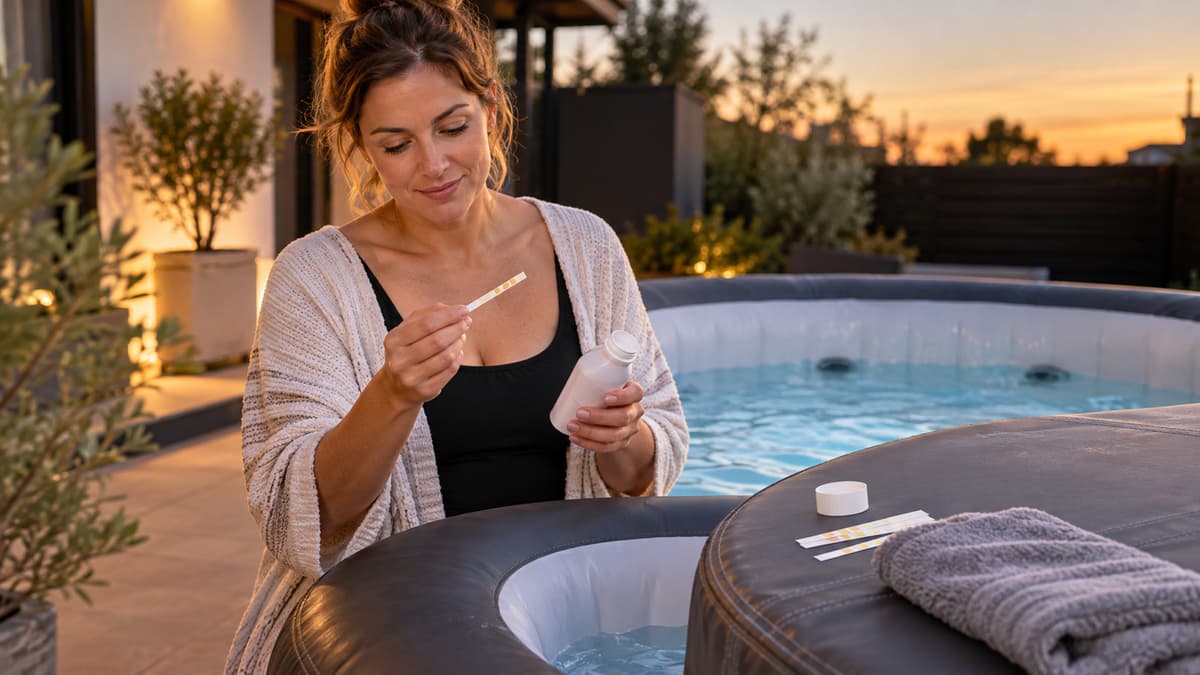
Hot tub chlorine and pH
The bathing bands for free chlorine and pH, and the maker shock example you use before you judge a cloud.
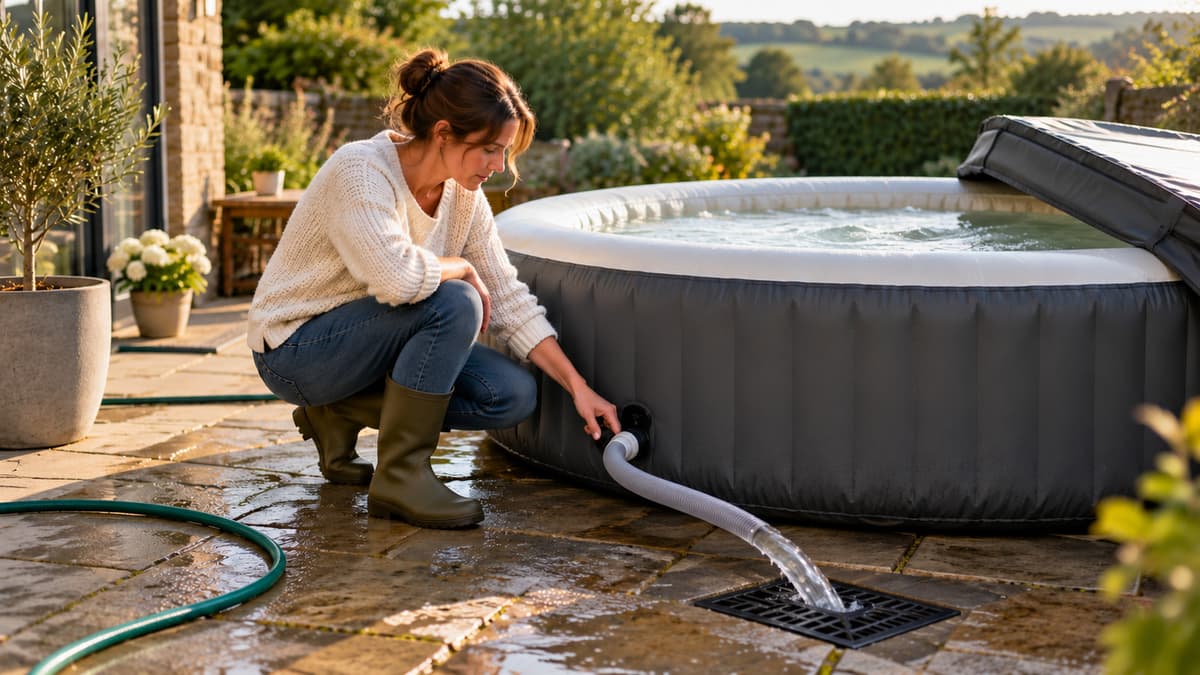
How often to change hot tub water
A 1–3 month rule of thumb, and the signs that milky water means a drain rather than another bottle.
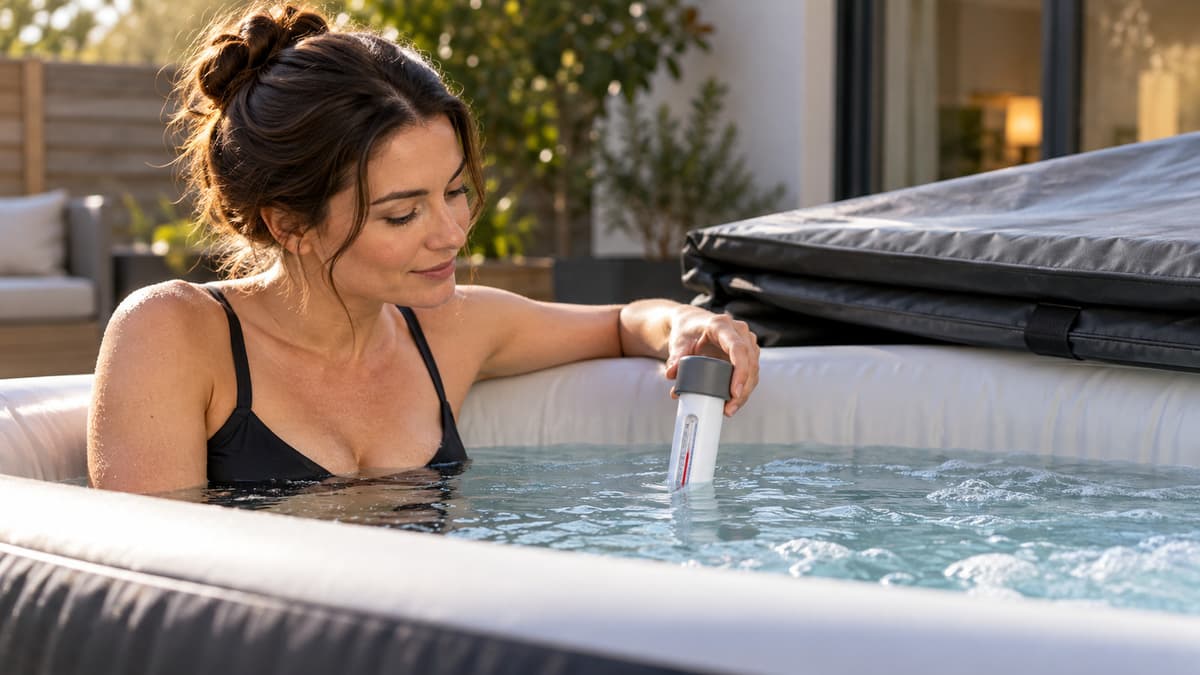
Safe hot tub temperature
40°C is the ceiling on these tubs. Turning the heater up does not clear a cloud.