Independent comparisons. We may earn from shop links. More info

Native wildflower seeds or a pictorial mix

Updated: October 2026

A meadow can mean poppies and cosmos this summer, or British flowers you cut once a year. Those are different jobs. Choosing native wildflower seeds or a pictorial mix before a brand stops a colourful title from deciding for you. The [flower meadow seeds comparison](/hub/seeds-and-plants/flower-meadow-seeds) includes both styles, plus seed balls and a cornflower-only packet. Use pictorial seed for garden colour. Insist on a named British list when a continuing meadow is the aim. A qualifying purchase can earn a commission at no extra cost to you.

A meadow can mean poppies and cosmos this summer, or British flowers you cut once a year. Those are different jobs.

Our top picks

On this page

Two different mixes

A pictorial mix is annual colour, often without grass: poppies, cornflowers, cosmos, California poppies. It can flower in the first summer and often needs reseeding. A native meadow is a longer community of perennials and grasses matched to the site. The first year can look thin because plants are rooting. You cut after flowering and remove the cuttings. A non-native annual in a private bed is not automatically unlawful, and it can still feed insects. It is not the restoration of species-rich grassland. Plantlife says more than 97% of that grassland has been lost. One packet does not reverse that.

What the label should say

The RHS uses British wild flower for natives of Britain and Ireland plus introductions from before 1500. UK seed, or a British seller, does not answer that. If the page says 18 British wildflowers or over 25 species and names none, you cannot check it. One Damavand title mentions hummingbirds, which are not UK garden visitors. Pretty Wild Mix 149a uses certified language, and a UK reviewer says the packet species were not native and were missing online. Section 14 of the Wildlife and Countryside Act 1981 restricts causing certain Schedule 9 plants to grow in the wild. Cosmos in a bed is not that offence. Do not scatter an unknown mix in the countryside.

Where these packets sit

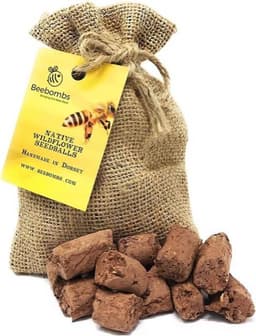
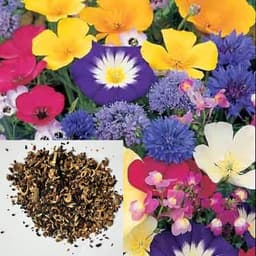
The Damavand 500-seed mix names morning glory, zinnia, sweet pea, California poppy, cosmos and cornflower. That is pictorial. The 50 g premium mix also names California poppy and corn cockle, which the RHS lists as harmful if eaten. Meldon at about £3.50 is cornflower only. Beebombs claims 18 British species, handmade in Dorset, and does not name them. Treat that as native-claimed, not verified. Pretty Wild claims more than 25 species and no grass, with no online list, and a review disputes native status. An unnamed mix loses when provenance is the point. Use-cases are on the best wildflower meadow seeds shortlist.

When to choose which

Choose pictorial seed for first-summer colour on bare soil you may reseed. Choose a named British mix, matched to the soil, for a meadow you will cut for years, especially near semi-natural habitat. A specialist list can beat a title with thousands of reviews. The right species in the wrong wet or dry site can still fail. Keep the two styles in separate beds if you want both. Weight and rate checks are in the wildflower meadow seeds buying guide.

The choice with a condition

If the listing will not name the species, do not let UK or wildflower decide. Pictorial seed is for a display. A full British list is for a meadow you keep.

Common questions

What is a pictorial meadow mix?
It is a mixture selected mainly for a colourful display, often using annual flowers and no grass. It may include non-native garden species and need reseeding or soil disturbance in later years. That differs from a perennial native meadow managed as a continuing community.
Does UK seed mean British native species?
Not necessarily. The phrase could refer to growing, sourcing, packing or selling in the UK. To verify native content, you need a complete species list and clear provenance. A country-of-origin field alone does not establish the botanical origin of every plant.
Will a pictorial mix help bees?
Some pictorial flowers can provide pollen and nectar, but value varies by species, flowering period and accessibility. A bee image is not evidence that every ingredient benefits UK pollinators. A named list lets you assess the claim and plan a longer flowering sequence.
Should I avoid all non-native flowers?
No. Many non-native flowers can be grown responsibly in UK gardens. The key is to keep claims accurate, avoid invasive Schedule 9 species and prevent garden plants escaping into the wild. Use British-native seed when native provenance is central to your purpose.
Is Beebombs a verified native mix?
The listing claims 18 British wildflower species, but the available product page does not name them. That supports describing it as native-claimed, not independently verified. Ask for the species list if composition matters more than the convenient seed-ball format.
Can a garden packet restore a lost meadow?
Not by itself. A packet can create flowering habitat in a prepared garden area, but restoration involves suitable local species, soil, management and landscape context. Keep the claim proportionate: a garden patch can help wildlife without replacing species-rich grassland.

Related pages

Sources

RHS, Plantlife, RSPB and legislation.gov.uk, read with the amazon.co.uk listings in the display file (reviews through early October 2026). Shelf prices and star lines are those listing figures. This page did not grow the seed.

  1. RHS: How to sow a wildflower patch (retrieved October 2026)
  2. RHS: Creating wildflower meadows (retrieved October 2026)
  3. RHS: Meaning of the term wildflower (retrieved October 2026)
  4. RHS: Agrostemma githago (corn cockle) (retrieved October 2026)
  5. Plantlife: Grassland (retrieved October 2026)
  6. Plantlife: The Good Meadow Guide (retrieved October 2026)
  7. RSPB: Create a wildflower meadow (retrieved October 2026)
  8. Wildlife and Countryside Act 1981, section 14 (retrieved October 2026)