How to sow a wildflower meadow
If you have a packet in one hand and a lawn in the other, stop before you scatter it. Learning how to sow a wildflower meadow starts with bare soil, less competition and a rate you can weigh. Seed thrown into dense turf rarely gets the light or the contact it needs. This method runs from a bare patch to the first cut, with different timing for heavy soil and yellow rattle. If you have not chosen a mix, start with the [flower meadow seeds comparison](/hub/seeds-and-plants/flower-meadow-seeds). A qualifying purchase can earn a commission at no extra cost to you.
If you have a packet in one hand and a lawn in the other, stop before you scatter it. Learning how to sow a wildflower meadow starts with bare soil, less competition and a rate you can weigh.
If you have a packet in one hand and a lawn in the other, stop before you scatter it. Learning how to sow a wildflower meadow starts with bare soil, less competition and a rate you can weigh. Seed thrown into dense turf rarely gets the light or the contact it needs. This method runs from a bare patch to the first cut, with different timing for heavy soil and yellow rattle. If you have not chosen a mix, start with the flower meadow seeds comparison. A qualifying purchase can earn a commission at no extra cost to you.
Our top picks
| Badge | Product | Sow rate | Format | Season on the listing | Note | Price | Offer |
|---|---|---|---|---|---|---|---|
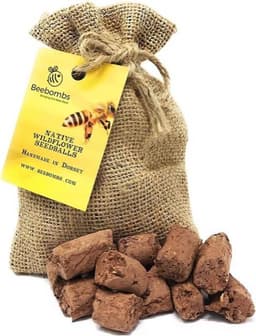
| Best overall |  Beebombs Beebombs seed balls, about 2 m² | Scatter, about 2 m² | Clay seed balls, 130 g | Any time claimed | 9.0 | about £9.99 | View offer |
| Best value |  DAMAVAND PRO Damavand 20 g meadow mix | 1–2 g/m², table conflicts | 20 g loose seed | Spring on the listing | 8.8 | about £3.99 | View offer |
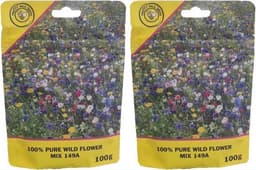
| Alternative |  Pretty Wild Seeds Pretty Wild Mix 149a, two 100 g bags | 1–2 g/m² | Two 100 g bags | Not stated | 8.6 | about £21.98 | View offer |

On this page
Ground that can take seed
Spring or early autumn
How to scatter the seed evenly
The first summer and the cut
Before you open the packet
Common questions
Can I scatter wildflower seed onto my lawn?
How many grams per square metre should I use?
Should I cover wildflower seed?
Why are there only leaves in May?
Should I add compost or fertiliser?
When should I sow yellow rattle?
Related pages
Sources
RHS, Plantlife, RSPB and legislation.gov.uk, read with the amazon.co.uk listings in the display file (reviews through early October 2026). Shelf prices and star lines are those listing figures. This page did not grow the seed.
- RHS: How to sow a wildflower patch (retrieved October 2026)
- RHS: Creating wildflower meadows (retrieved October 2026)
- RHS: Meaning of the term wildflower (retrieved October 2026)
- RHS: Agrostemma githago (corn cockle) (retrieved October 2026)
- Plantlife: Grassland (retrieved October 2026)
- Plantlife: The Good Meadow Guide (retrieved October 2026)
- RSPB: Create a wildflower meadow (retrieved October 2026)
- Wildlife and Countryside Act 1981, section 14 (retrieved October 2026)