Pool algaecide biocide label: checks before you dose
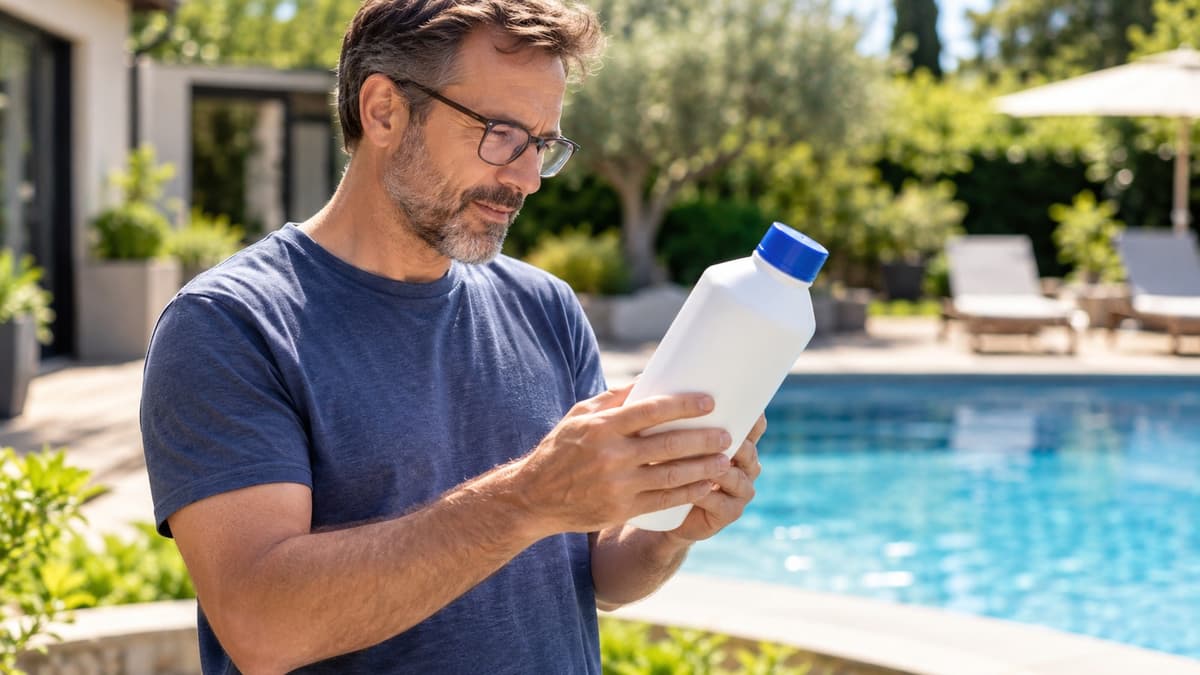
Check a pool algaecide biocide label for PT2, the named active and a GB authorisation. An Amazon card that calls the bottle safe is not approval to dose.
On this page
A pool algaecide biocide label should tell you more than an Amazon product card. When a listing says a liquid is safe, highly effective or suitable for a swimming pool, those words do not by themselves show that the named product is authorised in Great Britain. The useful checks are the product category, the exact product identity, its active ingredient, its authorisation details and the directions printed on the physical container.
This page uses the Health and Safety Executive description of product type 2 and six amazon.co.uk algaecide cards. None of those cards showed a GB authorisation number or an active ingredient. It is not a laboratory check of the bottles. A purchase through our links can earn a commission at no extra cost to you.
In short
Pool algaecides fall within product type 2, or PT2, when they are biocides used for swimming pools and are not applied directly to people or animals. Authorisation belongs to a named product, so do not borrow a number from another brand or treat an Amazon claim as approval. If the listing omits the active ingredient, authorisation number or dose, pause until you can read the bottle and check the product against the HSE authorised-products list.
A biocide is a legal category
Biocide is not a marketing compliment meaning powerful, professional or especially safe. It is a regulated product category. The relevant question is not whether the product page sounds reassuring, but whether the exact product you are considering can be identified and checked within the applicable system.
A title may state a treatment volume, a bullet may promise prevention or removal, and a review may describe somebody else's pool. None of that is authorisation, and a high star rating does not fill the gap. The six amazon.co.uk cards did not show a GB authorisation number or an active ingredient. That does not prove the products are unauthorised. It means the cards did not supply what you need to establish it. Do not turn the omission into approval or condemnation.
Safe needs careful reading. Safe for what use, at what dose, in what volume of water and under which directions? Without those limits, the word cannot replace a label. Use the pool algaecide buying guide to compare what listings disclose, then make the bottle itself your dosing reference.
What product type 2 means
The Health and Safety Executive describes product type 2 as disinfectants and algaecides that are not intended for direct application to humans or animals. Swimming-pool products are included. Annex V of the biocidal-products rules uses the same basic PT2 wording, so PT2 is the relevant category when you are checking a pool algaecide.
PT2 tells you the kind of use involved. It is not an approval stamp printed merely because a seller uses the word algaecide. Think of it as the shelf on which the product belongs, not the result of checking the individual item. You still need to identify the named product and look for its own authorisation information.
For a household garden pool, confirm that the intended use actually names pool water or swimming pools, then move to the product-specific details. Follow the container's directions rather than extending a marketplace claim to a use the label does not name. Public-pool operators should consult professional guidance, including HSG179, rather than use this article as an operating procedure.
Authorisation belongs to a named product
A biocidal-product authorisation is product-specific. A number found in an article, on another bottle or beside a similar-sounding family does not automatically apply to the product in your basket. Match the exact name and number, and use the HSE authorised-products page to check the record product by product.
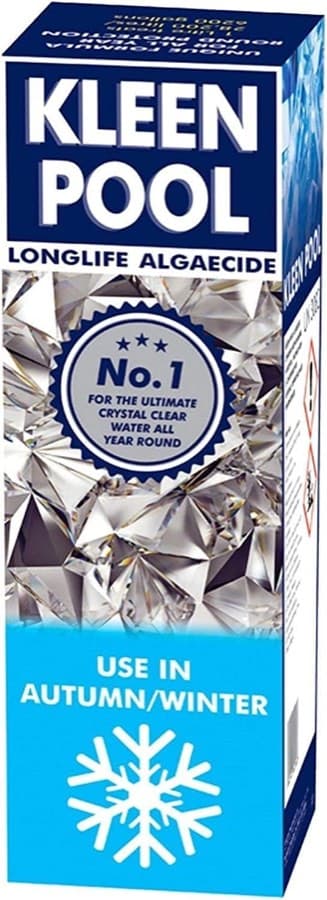
UK-2018-1126 shows why precision matters. The source used here connects that number with Klearpool, Pro-Swim, Summerguard and Winterguard. It is not an authorisation for Clearwater, Kleen Pool, Relax or Yellow Treat. Klearpool is not Kleen Pool. Similar words or similar-looking bottles do not bridge that gap. If you cannot match the exact product, do not simplify the uncertainty into HSE approved.
The HSE page provides an authorised-products spreadsheet for product-by-product checking. In the pass behind this article, no match was made between that list and the six ASINs reviewed. This article will not claim authorisation for any of them. You should also not infer the opposite solely from the Amazon omission. Use the physical label and the current HSE record to finish the check.
Read the bottle, not just the Amazon card
An Amazon card is useful for comparing pack size, price and broad intended use, but it can be incomplete where safe use depends on detail. Across the six cards reviewed, the active ingredient was absent. For Clearwater CH0006, a separate retailer page printed an active, which demonstrates the information gap without making that shop page a substitute for the bottle.
The same caution applies to dose. The Clearwater card says the dose is on the bottle and depends on water volume, but it does not print the millilitre figure. The Kleen Pool 1 litre title says it treats 28,000 litres and lasts six months. On the 15 October 2026 comparison snapshot the shelf price was about £17.95, with 4.6 from 585 United Kingdom reviews, and the card still lacks a full millilitre dose table. The pool algaecide comparison can shortlist products. It does not authorise them or dose them.
Reviews do not repair the omission. A buyer may report using half a bottle, clearing a particular pool or seeing no effect, but that is an account of one use. Pool volume, water condition, filtration and the other treatment steps can differ. Follow the bottle rather than copying a reviewer's quantity, especially when another review describes a large overdose.
A five-minute label check
Use this sequence when the bottle arrives, before you pour anything. It keeps product identity, regulatory information and dosing in separate checks instead of allowing one reassuring phrase to stand in for all three.
- Match the product. Check that the brand, product name, pack and intended pool use on the bottle correspond to what you ordered. If they appear to describe different products, stop before dosing.
- Find the active ingredient. Record what the physical label says. The six Amazon cards in this research did not name an active, so do not fill the gap from a review or another product page.
- Look for the authorisation details. Treat the number as belonging to that named product. Search the current HSE authorised-products list and make sure the product name and number match.
- Read the directions in full. Use the container's dose for your water volume. A title that says 28,000 litres, or a bullet that says the dose is on the bottle, is not a complete dose table.
- Keep the limits attached. Do not carry swimming-pool directions across to a hot tub, spa or paddling pool unless the label names that use. A question on a listing is not confirmation.
- Keep the label with the chemical. If key text is unreadable or absent, resolve that before treatment.
This check cannot guarantee a result in the water. It can prevent a more basic error: using marketplace language as if it were product-specific approval and instructions.
US registration is not GB authorisation
A United States registration number is not a substitute for a Great Britain authorisation. The systems are different, and a number that has meaning on a US product label does not become British evidence because the item appears on amazon.co.uk.
Yellow Treat 2 is the clear example in this set. The material used here records US EPA registration 45337-16, while the Amazon card omits the active ingredient and dose. Its written review sample is also from the United States, not the United Kingdom. Those facts may help you understand where the listing information came from, but they do not establish a GB authorisation.
A US review can describe yellow or mustard algae. It cannot tell you that a product is authorised under the GB regime, and an amazon.co.uk page does not mean those details have been checked for you. Identify the exact item on the marketplace, then verify the name, active and authorisation on the bottle and the HSE list. If you cannot connect them, do not invent the connection.
Common questions
Does algaecide on Amazon mean the product is authorised?
What is product type 2?
Where should I look for the active ingredient?
What does a biocide authorisation number prove?
Is UK-2018-1126 a Clearwater authorisation?
Can I use the dose in an Amazon bullet?
Does a US EPA registration apply in Great Britain?
Who should public-pool operators consult?

Peter F. is the editor for DIY & tools at productscompared.co.uk. Comparisons in this category are checked against amazon.co.uk listings, review evidence and public UK sources.
Related articles

Green pool water: what to do first
Work out whether to brush, circulate, dose or empty before adding more chemicals.
Algaecide or chlorine tablets
See why sanitiser and algaecide do different jobs in a garden pool.

How to shock an above-ground pool
Raise chlorine safely without treating shock, filtration and algaecide as the same job.