Independent comparisons. We may earn from shop links. More info

How to fit a wooden trellis

Updated: October 2026

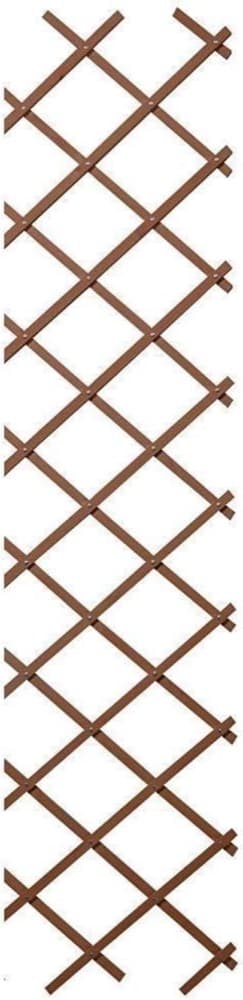
You have an expanding wooden panel, or you are buying screws and battens, and you want it on a fence or wall without splitting the slats. A flush screw traps timber against wet boards. Stick-on hooks in these packs fall off. Strips around 5 mm or 0.7 cm split if a nail goes in without a pilot hole. This is how to fit a wooden trellis: leave an air gap, fix a batten to something solid, then pilot-drill the lattice. Panels are in the [wood trellis comparison](/hub/plant-accessories/trellis-wood). These are Royal Horticultural Society figures and UK review patterns, not a lab trial of your fence.

You have an expanding wooden panel, or you are buying screws and battens, and you want it on a fence or wall without splitting the slats. A flush screw traps timber against wet boards.

Our top picks

Gardman Gardman 07250, 1.8 x 0.3 m

Best overall

Gardman Gardman 07250, 1.8 x 0.3 m
9.2/10about £7.14
XIANTIAN XIANTIAN pine, 200 x 30 cm

Alternative

XIANTIAN XIANTIAN pine, 200 x 30 cm
8.0/10about £14.44
kanta KANTA three-pack, 1.8 x 0.3 m

Alternative

kanta KANTA three-pack, 1.8 x 0.3 m
7.4/10about £13.99
On this page

Leave a gap before you hang the panel

The Royal Horticultural Society sets a support about 5 cm off the wall or fence, with the bottom of a wooden trellis about 30 cm above the soil. Clematis guidance from the same society asks for at least 2.5 cm so leaf stalks can curl through. A panel screwed flat to feather-edge boards stays wet. Jackson’s Nurseries, on a wall, keeps trellis about 30 to 45 cm off the ground and mentions the damp-proof course. Use the RHS 5 cm off the face and about 30 cm off the soil unless the wall method you follow states its own figure. On a strip such as the Gardman 07250, listed at 1.8 x 0.3 m, the short side is the height once you open it along the fence. Wires are the RHS alternative, spaced about 30 to 45 cm apart. Soft twine ties the plant. How to tie a climbing rose is in tying in a climbing rose. The batten makes the 5 cm gap on a fence with no cavity of its own.

Fix the batten, then the trellis

Fix the timber that carries the load, then fix the lattice to that timber. On a fence, use the posts and rails, not the thin edge of a feather board. Checkatrade puts battens up first so the trellis stands off the boards, and suggests preserver on cut timber before fitting. For concrete posts, that guide extends the fence with timber rather than screwing into the concrete. Lawsons describes battens such as 50 x 50 mm, about 60 cm apart, with galvanised nails into the battens. They are two recipes, not one compulsory section. Mark the height so the finished top stays inside the limit on trellis on a fence. Open the panel to the width you measured. A wider diamond is a shorter one. Pilot-drill the slat, then screw or nail into the batten. If your strip is only a topper, extend the posts before you improvise.

Pre-drill thin expanding slats

UK reviews repeat the same split. On Gardman, KANTA, and LATERN, slats break when someone nails or screws without a pilot hole. KANTA’s three-pack is treated pine at 5 mm with aluminium rivets. LATERN opens to 180 x 30 cm, and one UK buyer returned split wood held by turned nails. Drill slightly smaller than the screw, hold the diamond open, and drive the fixing into the batten. The rivet is not a screw point. XIANTIAN’s UK reviews say the stick-on hooks fall off, and buyers switched to screws. Toyosport mentions adhesive hooks. On weathered timber they are a weak fixing. A freestanding screen such as tonchean blows over unless pegged. Do not stand a fence strip in the border and call it fitted.

Where a professional should take over

Stop before you drill a concrete post you might crack, before you work off a ladder over a path, and before you alter a fence you do not own. A shared boundary needs the owner’s agreement. A listed building, or a top that would cross the 1 metre or 2 metre line, is a planning question. A mature woody climber needs a stronger frame than these diamonds. The best wooden trellis page says when Gardman is enough. Preserver on cut ends does not turn a 5 mm strip into Use Class 4. If the job is at height, or on concrete you have not fixed into, a fencer is the safer next step. A qualifying purchase can earn us a commission at no extra cost to you.

Common questions

Do you screw the trellis flat to the fence?
Leave an air gap. The Royal Horticultural Society uses about 5 cm off the wall or fence, and at least 2.5 cm for clematis. A flush fix holds moisture against the boards and the slats. Battens on the posts or rails make that gap. Pilot-drill, then fix the lattice to the batten.
How big a gap do you leave?
About 5 cm between trellis and fence or wall, and about 30 cm between the bottom of a wooden trellis and the soil. Those are RHS figures. Jackson’s Nurseries cites about 30 to 45 cm off the ground on a wall. Lawsons’ 50 x 50 mm batten is one published size.
Why does the wood split?
These strips are thin. KANTA states 5 mm. XIANTIAN and Toyosport state 0.7 cm. UK reviews on Gardman, KANTA, and LATERN say the slats split when nailed without a pilot hole. Drill first, and drive the fixing into a batten. Leave the rivet alone and choose another point on the slat.
Can you use the sticky hooks?
XIANTIAN’s UK reviews say the supplied stick-on hooks fall off, and buyers used screws. Toyosport lists adhesive hooks as an option. On wet fence timber they are a weak fixing. Use screws or galvanised nails in pre-drilled holes, into battens. That is the fence method on this page.
How high off the soil should the bottom sit?
About 30 cm, so the wood is not sitting in damp soil. Ground contact is Use Class 4, and these listings do not state that class. A bullet about hammering a strip into the ground is not a use-class claim. Keep the bottom clear, and keep carbonised pine out of the soil.
When should you stop and get help?
Get help if the fence is shared and you cannot show you may fix it, if the house is listed, if the new top would cross the height limit, or if you would be on a ladder over a path. Stop before drilling concrete posts you have not worked on.

Related pages

Sources

Public UK sources checked for this comparison, plus the amazon.co.uk listing facts in the display file on 15 October 2026. Shelf prices and star lines are those UK figures. They can change.

  1. England Class A fences, gates and walls (GPDO 2015) (retrieved 15 October 2026)
  2. Planning Portal: fences, gates and garden walls (retrieved 15 October 2026)
  3. GOV.WALES: planning permission for fences, gates and garden walls (retrieved 15 October 2026)
  4. mygov.scot: building a fence or wall (retrieved 15 October 2026)
  5. RHS: training climbers on planting (retrieved 15 October 2026)
  6. RHS: growing clematis (retrieved 15 October 2026)
  7. W. Burton: diamond trellis, a merchant panel rather than an amazon price (retrieved 15 October 2026)
  8. E H Smith: Use Class 3 treated feather-edge board (retrieved 15 October 2026)