Independent comparisons. We may earn from shop links. More info

How to plant in a container

Updated: October 2026

Knowing how to plant in a container means controlling compost depth, drainage and watering. Before opening the compost, confirm that water can leave and that the planted pot can safely stay in place. The [planter comparison](/hub/plant-accessories/planter) shows which listings have holes, a plug, a sealed base or an open bottom. This guide covers filling, watering, shrubs and winter care. Among the drained small pots, the top pick is the PROFIKLA set. The best value large volume is the Straame two-pack, which stays sealed until you decide to drill it. A qualifying purchase can earn us a commission at no extra cost to you.

Knowing how to plant in a container means controlling compost depth, drainage and watering. Before opening the compost, confirm that water can leave and that the planted pot can safely stay in place.

Our top picks

PROFIKLA PROFIKLA pot set of three

Best overall

PROFIKLA PROFIKLA pot set of three
9.4/10about £15.99
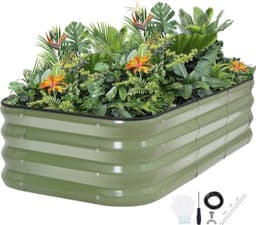
VIREO GARDEN VIREO galvanised bed

Alternative

VIREO GARDEN VIREO galvanised bed
9.4/10about £25.99
On this page

Fill the pot at the right level

Begin with outlets open. The RHS says crocks are unnecessary for ordinary small holes. Cover only a large outlet, roughly over 2.5 cm, so compost does not wash through. A gravel layer does not make a sealed pot drain, and it steals root volume. Peat-free multipurpose compost can suit a short display. A long-term shrub benefits from a soil-based mix such as John Innes No 3. Organic does not mean peat-free, and John Innes is not automatically peat-free. A 2022 announcement proposed ending amateur peat sales in England. Current guidance does not support saying those sales are already illegal. Set the compost surface about 5 cm below the rim, keep the plant at its previous depth, and water until water emerges below. If nothing drains, stop. DIVCHI’s 28 cm depth is not a universal target. Use the planter buying guide if plant and pot still look mismatched.

Water through summer and winter

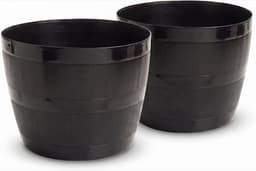
Water by compost, weather and plant, not a fixed weekly timetable. The RHS notes that small pots in hot sun may need water as often as twice a day. A large shaded tub can stay moist much longer. Wind dries pots faster, particularly on balconies. In summer a saucer can catch runoff. Permanently waterlogged compost still harms roots that need air. In winter the RHS advises removing saucers so the pot does not stand in rain, and raising containers on feet. A plug should usually be open outdoors. If a pot stops draining, clear the outlet. Watering less does not fix a blockage. Both Straame barrels are sold sealed, and Optimal describes drill locators, so that work happens before planting. The planter drainage guide separates those bases from factory holes and plugs.

Plant a shrub or small tree in stages

RHS guidance recommends moving a tree up through container sizes rather than jumping from a nursery pot into the final tub. It suggests a final container of about 45 cm for a small tree and a loam-based compost such as John Innes No 3. That size is guidance, not a promise for every species. Place the container before filling if the finished load will be hard to move. Keep the stem at its existing soil level. A narrow, lightweight pot may tip in wind. Do not rely on locking wheels alone on an exposed site. Empty figures such as 39 g for a Straame tub or 250 g for DIVCHI do not describe compost and water. The balcony planter weight guide covers when the building sets the limit.

Treat sealed tubs and open beds differently

A sealed tub cannot be planted like a drained pot unless you alter the base first. Straame can stay watertight for a bog-style use or be drilled for ordinary planting. Decide before compost goes in. A full tub is impractical to turn over. VIREO’s base is open, so water and roots pass into the ground and the stated 216 litres are not held by a floor. On paving, decking or a roof you need a designed base, not an improvised liner. FOUBAM states drainage, but its title and metric dimensions disagree. No food-safety certificate is listed for either bed. Seek advice before a roof, a pierced membrane or a damaged sharp panel.

Common questions

What should I put in the bottom of a planter?
Keep normal drainage holes clear. The RHS only suggests covering large holes, roughly over 2.5 cm, to stop compost escaping. A deep gravel layer does not make a sealed pot drain. Use pot feet outdoors where they help keep the outlet off the surface.
How far below the rim should compost sit?
Aim for about 5 cm below the rim, following RHS container guidance. This leaves space for water to spread and soak in rather than carrying compost over the edge. Keep the plant at its previous growing depth unless its specific planting guidance says otherwise.
How often should I water in hot weather?
Check the plant and compost daily rather than following one interval. The RHS says small pots in hot sun may need water up to twice a day. Larger or shaded pots can stay wet longer, so confirm moisture and drainage before watering again.
Should I leave a saucer under the pot in winter?
Usually not outdoors. RHS guidance says to remove saucers in winter so the pot does not stand in rainwater. Raise the container on feet where appropriate and keep drainage holes open. This reduces winter wet but does not make a vulnerable plant frost-hardy.
Is peat compost illegal to buy in England?
No current source used here supports that statement. A 2022 announcement proposed an end to amateur peat sales, but the legislation was not brought into force on that timetable. Choose peat-free compost where suitable, but do not describe the announced ban as already commenced.
When should I ask a professional?
Ask before placing a filled container or bed on a balcony or roof when the allowance is unknown, or before piercing a waterproof membrane or cavity wall.

Related pages

Sources

Public UK sources for container growing, product safety and balcony loads, plus the amazon.co.uk listing facts checked on 15 October 2026. Shelf prices, stars and review counts are those UK figures and can change. On that date a separate look also showed a 55 cm plastic trough at £6.99 and a fibre-stone trough at £47.18. Those two are not rows in this table.

  1. RHS: Growing plants in containers (retrieved 15 October 2026)
  2. RHS: Winter containers (retrieved 15 October 2026)
  3. RHS: Trees in containers (retrieved 15 October 2026)
  4. Consumer Rights Act 2015, section 9 (retrieved 15 October 2026)
  5. GOV.UK: General Product Safety Regulations 2005 (retrieved 15 October 2026)
  6. GOV.UK: sale of horticultural peat to be banned (27 August 2022) (retrieved 15 October 2026)
  7. Peat Free Partnership: legislation timeline (retrieved 15 October 2026)
  8. HCGA: container gardening leaflet (retrieved 15 October 2026)