Planter drainage holes
Planter drainage holes let ordinary compost release excess water, but these listings use different bases. Some have holes, two have plugs, several are sealed and one bed is open to the ground. The [planter comparison](/hub/plant-accessories/planter) records each arrangement. This guide explains the differences, seasonal saucers and listing conflicts. The top pick among the small drained sets is PROFIKLA, because holes and saucers are stated. The best value large tubs are the Straame pair, and they arrive sealed, so drainage is a decision you make before planting. A qualifying purchase can earn us a commission at no extra cost to you.
Planter drainage holes let ordinary compost release excess water, but these listings use different bases. Some have holes, two have plugs, several are sealed and one bed is open to the ground.
Planter drainage holes let ordinary compost release excess water, but these listings use different bases. Some have holes, two have plugs, several are sealed and one bed is open to the ground. The planter comparison records each arrangement. This guide explains the differences, seasonal saucers and listing conflicts. The top pick among the small drained sets is PROFIKLA, because holes and saucers are stated. The best value large tubs are the Straame pair, and they arrive sealed, so drainage is a decision you make before planting. A qualifying purchase can earn us a commission at no extra cost to you.
Our top picks
| Badge | Product | Drainage | Saucer or plug | Form | Note | Price | Offer |
|---|---|---|---|---|---|---|---|
| Best overall |  PROFIKLA PROFIKLA pot set of three | Holes in the title and bullets | Saucers included | Round pot | 9.4 | about £15.99 | View offer |
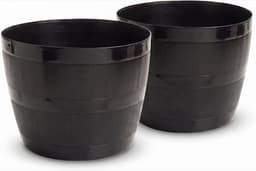
| Best value |  Straame Straame 50 L barrels, two pack | No | Not stated | Barrel tub | 9.0 | about £18.99 | View offer |
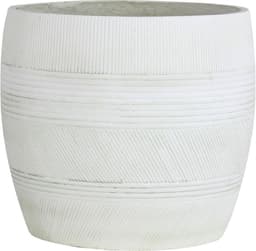
| Alternative |  Olly & Rose Olly & Rose fibre-cement pot | Yes, hole and plug | Drainage plug | Round pot | 8.0 | about £89.99 | View offer |

On this page
Four ways planter bases are sold
Use saucers differently in summer and winter
Show conflicts instead of smoothing them over
Keep a sealed tub watertight only on purpose
Common questions
Does every planter in this comparison have holes?
What is the difference between a plug and a sealed pot?
When should I remove a saucer?
Can I plant directly into the NATTHSWE basket?
Does an open-bottom bed need drainage holes?
Should I drill a sealed planter immediately?
Related pages
Sources
Public UK sources for container growing, product safety and balcony loads, plus the amazon.co.uk listing facts checked on 15 October 2026. Shelf prices, stars and review counts are those UK figures and can change. On that date a separate look also showed a 55 cm plastic trough at £6.99 and a fibre-stone trough at £47.18. Those two are not rows in this table.
- RHS: Growing plants in containers (retrieved 15 October 2026)
- RHS: Winter containers (retrieved 15 October 2026)
- RHS: Trees in containers (retrieved 15 October 2026)
- Consumer Rights Act 2015, section 9 (retrieved 15 October 2026)
- GOV.UK: General Product Safety Regulations 2005 (retrieved 15 October 2026)
- GOV.UK: sale of horticultural peat to be banned (27 August 2022) (retrieved 15 October 2026)
- Peat Free Partnership: legislation timeline (retrieved 15 October 2026)
- HCGA: container gardening leaflet (retrieved 15 October 2026)