Independent comparisons. We may earn from shop links. More info

Fibreglass or terracotta planter

Updated: 22 October 2026

A terracotta pot on a UK patio has cracked across the base, or you are choosing clay on purpose for an olive that likes to dry. Those are different problems. Porous clay loses water through the walls and can split when wet compost freezes. A fibreglass or GRP shell does not breathe, so it stays wetter and is lighter to move — if it has a drainage path. The [fibreglass planter comparison](/hub/plant-accessories/fibreglass-planter) has three amazon.co.uk listings, two indoor Leaf sleeves and one tall B2C pot, none of them a frost-proof clay replacement by default. This page is the material decision. Prices and star lines stay on the main page. Products Compared compared those listings and public UK sources. We did not run a lab trial. A qualifying amazon.co.uk purchase can earn us a commission at no extra cost to you.

A terracotta pot on a UK patio has cracked across the base, or you are choosing clay on purpose for an olive that likes to dry. Those are different problems.

Our top picks

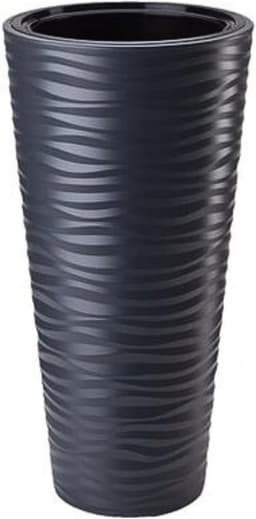
B2C B2C Sahara tall planter, 79 cm

Best overall

B2C B2C Sahara tall planter, 79 cm
7.5/10about £31.89
Leaf Leaf 44 cm Aztec cachepot

Best value

Leaf Leaf 44 cm Aztec cachepot
7.0/10about £40.99
On this page

What clay does that GRP does not

Terracotta is porous. Water leaves through the walls as well as through the hole in the base, so the compost dries faster than it does in a sealed composite sleeve. Topiary Twins, a UK grower, puts that habit to work on bay, olive and lavender, which prefer a mix that does not stay wet around the collar. You water more often in a heatwave. You also get a heavier pot once the clay is soaked, which is why a cracked 40 cm jar is a two-person lift to the bin. Fibreglass, as specialist makers describe it, is a moulded shell. Primrose splits a gel-coated GRP pot from a matt finish, and both are non-porous compared with clay. Europlanters makes the same point: the walls do not breathe. Compost stays wetter, which helps a thirsty patio plant and hurts a Mediterranean shrub if you water as if the pot were terracotta. A cachepot makes that worse. The Leaf 44 cm Aztec pot at £40.99 does not state a drainage hole, and one United Kingdom review says it holds water. That is the opposite of a porous clay wall. The three listings in this folder show the word trap. The B2C Sahara at £31.89 says fibreglass in the field, and one United Kingdom review calls it plastic. The Leaf extra-large cachepot at £46.99 says fibreglass composite and is indoor only. Neither is a like-for-like stand-in for a frost-proof clay jar you plant into. If you want the drying walls, stay with terracotta. If you want a light, non-porous cover for a plant that already sits in its own pot, a Leaf sleeve can do that job indoors. The fibreglass planter buying guide is the type check before you treat any of these as a clay replacement.

Winter, weight and balconies

The RHS container note is blunt about winter clay: terracotta is prone to cracks, and you should choose frost-proof, not merely frost-resistant. Frost-resistant clay can still take up water and split in a hard freeze. Raise the pot on feet so the base is not sitting in a puddle. That raise applies to fibreglass as well. The RHS winter-selection page names fibreglass among the materials that cope better than thin terracotta, and it still asks for feet. A frost-resistant claim on the B2C listing is not the same as frost-proof terracotta, and it is not a reason to leave standing water in a 79 cm shell. Weight is the balcony argument. Topiary Twins prefers fibreglass over clay on a balcony because the empty shell is lighter. The RHS roof-garden note prefers non-porous materials for the same setting, and it still asks you to know the load. The B2C pot is 2 kg empty. The Leaf 44 cm pot is 3 kg. The extra-large Leaf is 500 g. Those figures are empty shells. Wet compost and a plant are the load, and this folder does not state a safe balcony limit. A soaked terracotta jar of the same width will usually be heavier. That does not make a 500 g indoor cachepot a balcony tub. Do not collapse fibrecotta into fibreglass. Primrose describes fibrecotta as clay with fibre, sold as a frost-hardy lookalike, and still porous. GRP is a moulded glass-fibre shell. An amazon.co.uk search for fibreglass planter also returns fiberstone and concrete-and-fibre pots. If the cracked pot you are replacing was terracotta, decide whether you want porosity or a sealed shell. Fibrecotta sits in the middle and is not one of the three listings here.

When terracotta is still the point

Keep terracotta when the plant wants dry walls. Olive, lavender and bay in a UK front garden are the usual case. You accept more watering in July, and you pay for frost-proof clay if the pot stays out. You do not move a 40 cm soaked jar every time a frost is forecast. That is the trade-off clay is for. Choose a fibreglass or composite shell when you need the weight down, or when you want a decorative sleeve around a nursery pot. The Leaf 44 cm cachepot is that sleeve, with an 18 cm hole, indoor first, sheltered outdoor only in the bullets. The extra-large Leaf is a 500 g hall cover. The B2C Sahara is a tall indoor-outdoor insert pot at 2 kg, useful as a door pair if you ballast it, not as a breathing clay jar. None of the three states a drainage hole. A Leaf cachepot is a poor terracotta stand-in if you were planning to plant an olive straight into the outer shell and leave it on an open patio. The clear recommendation is this. Replace a cracked outdoor clay pot with frost-proof terracotta if the plant needs porous walls, or with a specialist outdoor GRP cube that has a drainage plan if you want a light, sealed shell. Use the three listings in this folder as decorative pots in the £31.89–£46.99 band, not as proved winter clay substitutes. The indoor or outdoor fibreglass planter page is the place check. The how to plant a fibreglass planter page is the sequence if you keep a composite pot.

Common questions

Will fibreglass stop my pot cracking in winter?
A non-porous shell avoids the way wet clay splits, if water can leave. Standing water still expands. The B2C frost-resistant line is a claim, not a test, and the Leaf extra-large pot is indoor only. Raise the pot and empty the base.
Why does terracotta need more water?
The walls are porous. Water leaves through the clay as well as the hole, so the compost dries faster than it does in a sealed fibreglass or composite sleeve. That is useful for olive and lavender, and it is extra work in a dry spell.
Is frost-resistant terracotta enough?
The RHS asks for frost-proof clay outdoors, not merely frost-resistant. Frost-resistant pots can still take up water and crack in a freeze. Raise them on feet either way.
What is fibrecotta, and is it GRP?
No. Primrose describes fibrecotta as clay with fibre, still porous, sold as a frost-hardy lookalike. GRP is a moulded glass-fibre shell. They are different mixes, and neither word on an amazon title is a lab result.
Which is better on a balcony?
A light non-porous shell is easier to lift and stays less wet through the walls, which is why the RHS prefers non-porous materials there. You still have to know the load. A 500 g Leaf sleeve is a hall pot, not a proved balcony tub.
Which suits lavender or olive?
Terracotta, if you want the walls to dry, as Topiary Twins sets out for bay, olive and lavender. Use frost-proof clay outdoors. A sealed Leaf cachepot that holds water is the opposite habit.
Can I treat a Leaf cachepot as a terracotta stand-in?
Not for a planted outdoor jar. The Leaf pots in this set are indoor sleeves, one of them indoor only, with no stated hole. Use them as covers for a nursery pot, not as frost-proof clay replacements.

Related pages

Sources

Public UK sources used for this comparison. Shelf prices, stars and review counts are the amazon.co.uk figures captured for these three listings. Last checked 19 October 2026.

  1. RHS, Growing plants in containers (retrieved 19 October 2026)
  2. RHS, How to plant up a container (retrieved 19 October 2026)
  3. RHS, Containers: winter planting (retrieved 19 October 2026)
  4. RHS, Roof gardens and balconies (retrieved 19 October 2026)
  5. Consumer Rights Act 2015, section 22 (retrieved 19 October 2026)
  6. Weather It, Fibreglass planters in winter (retrieved 19 October 2026)
  7. ADEZZ fibreglass note (UK PDF) (retrieved 19 October 2026)
  8. Primrose, Planter materials (retrieved 19 October 2026)