Independent comparisons. We may earn from shop links. More info

Indoor or outdoor fibreglass planter

Updated: 22 October 2026

You want one pot for the hall, or one pot that can stay on the patio through a UK winter, and the listings all say fibreglass. That word does not decide the place. Read the indoor or outdoor line, then drainage, before you trust frost-resistant. The [fibreglass planter comparison](/hub/plant-accessories/fibreglass-planter) keeps three amazon.co.uk listings: two Leaf cachepots that start indoors, and one tall B2C pot marked indoor and outdoor. This page follows that split. It is not a product shoot-out. How you plant sits on the how-to. Clay versus GRP sits on the versus page. Products Compared compared those listings and public UK sources. We did not run a lab trial. A qualifying amazon.co.uk purchase can earn us a commission at no extra cost to you.

You want one pot for the hall, or one pot that can stay on the patio through a UK winter, and the listings all say fibreglass. That word does not decide the place.

Our top picks

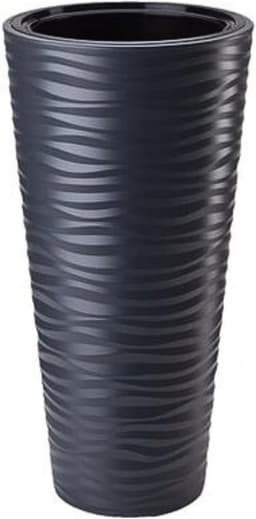
B2C B2C Sahara tall planter, 79 cm

Best overall

B2C B2C Sahara tall planter, 79 cm
7.5/10about £31.89
Leaf Leaf 44 cm Aztec cachepot

Best value

Leaf Leaf 44 cm Aztec cachepot
7.0/10about £40.99
On this page

What the listing allows

Start with the use line, not the photo. The Leaf extra-large Aztec cachepot at £46.99 is indoor only. There is no outdoor claim and no frost line in the bullets. Put it in a hall or a living room. If you wanted a year-round patio pot, this listing is the wrong click, however rustic the finish looks. The Leaf 44 cm Aztec cachepot at £40.99 is indoor on the listing, with a sheltered outdoor position in the bullets. Sheltered outdoor means a porch, a covered side return, or a spot that does not take the full wind and rain. It does not mean an open Yorkshire patio from November to March. Frost resistance is not stated. Drainage is not stated. One United Kingdom review says the pot holds water. A sleeve that holds water is a houseplant cover, or a damp-loving plant under a roof, not a freeze-and-thaw cube. The B2C Sahara at £31.89 is the listing marked indoor and outdoor. It claims frost resistance and UV resistance. It is 79 cm tall, 2 kg empty, with an insert. Drainage holes are not stated. Europlanters, writing about purpose-built GRP, says a fibreglass shell can live indoors or outdoors if the drainage is right. Taylor Made splits the range the same way: indoor versions stay watertight; outdoor versions have or need a hole. The B2C pot sits in the middle of that advice. The listing allows both places. It does not state a hole, and a United Kingdom review already tells you to weigh the base with bricks. Use it by a front door if you ballast it and plan a drainage path. Do not treat the frost line as a winter certificate. The how to plant a fibreglass planter page is the sequence once you know the place.

Winter and standing water

Frost-resistant on a label is not a licence to leave a pond in the base. Weather It, a UK fibreglass maker, says standing water is the winter failure, not the gel-coat. Water expands when it freezes. A sealed cachepot left on a patio can split a plant, lift an insert, or crack a cheap shell even if the listing used the word frost. The RHS winter-selection note names fibreglass among the materials that cope better than thin terracotta, and it still asks you to raise the pot on feet so the base is not sitting in a puddle. Raise any pot that stays outside. Feet, a stand, or two battens will do. Empty a cachepot after rain. On the B2C insert pot, check that surplus from the insert is not sitting in the 79 cm shell with nowhere to go. ADEZZ’s outdoor default for specialist GRP is not watertight, which is the opposite of a decorative indoor sleeve. If you cannot make a drainage path, bring the pot in before the first hard frost. Weight is the other outdoor limit. The B2C Sahara is 2 kg empty. A 79 cm pair on an exposed doorstep will blow or walk if you do not ballast it. The Leaf 44 cm pot is 3 kg, which helps on a porch table and does not make it a 5.44 kg Primrose cube. The Leaf extra-large pot is 500 g. That is a hall object. It is not a balcony tub. The RHS roof-garden note prefers non-porous materials on balconies because they do not stay as wet as clay, and it still asks you to know the load. Wet compost plus a plant is the number that matters, and this folder does not state a safe balcony load. Do not invent one. If the filled pot feels heavy for the slab or the rail, keep it on the ground floor.

When to keep it inside

Keep it inside when the listing says indoor only, when the pot is a sleeve that holds water, or when the plant is tender. The extra-large Leaf cachepot fails the first test. The 44 cm Leaf fails the second if you were hoping for an open patio. A citrus, a young olive you are not ready to harden, or a houseplant in a nursery pot belongs in the hall sleeve, not on a frost-facing step. A saucer is useful indoors and a problem if it becomes a permanent bath. Use one under a cachepot so the floor stays dry, then empty it. The Leaf 44 cm review that says the pot holds water is describing that bath. You do not need a saucer under an outdoor pot that should drain; you need a hole or a raised stand. Mixing those two habits is how an indoor sleeve ends up outside with a frozen puddle in the base. If you still want one object that does both jobs, the B2C Sahara is the only listing in this set that claims both places. It remains a light insert pot with an unproven frost line. For a planted year-round cube, look at specialist GRP with a stated outdoor hole, not at a £40 rustic cachepot. For the material choice against clay, use the fibreglass or terracotta planter page. For the buying filters before you pay, use the fibreglass planter buying guide.

Common questions

Can the Leaf 44 cm pot live on a patio?
Only in a sheltered spot, and only if you accept that frost resistance is not stated and that one United Kingdom review says it holds water. An open patio through a freeze is the wrong reading of sheltered outdoor in the bullets.
Is the B2C Sahara safe outside in a freeze?
The listing marks outdoor use and claims frost resistance. That is not a lab result. Drainage is not stated, and a United Kingdom review says weigh the base. Raise it, ballast it, and do not leave standing water in the shell.
What does sheltered outdoor mean?
On the Leaf 44 cm listing it is a bullet, not a climate rating. Read it as a porch or a covered side return, not as an exposed patio from November to March.
Do I need a saucer indoors?
Yes if you want to protect a floor. Empty it after watering. A saucer that stays full is the same standing water you should not leave outside.
Will a 2 kg pot blow over?
It can. The B2C Sahara is 2 kg empty and 79 cm tall. One United Kingdom review already advises bricks in the base. A door pair on a windy street needs that ballast.
Can I put a filled pot on a balcony?
The RHS prefers non-porous materials on balconies and asks you to know the load. This folder does not state a safe load. The 500 g Leaf sleeve is a hall pot. Wet compost changes the weight. Keep a filled pot on the ground if you cannot check the structure.
Should I bring it in for winter?
Bring in the Leaf extra-large pot; it is indoor only. Bring in the Leaf 44 cm pot unless the spot is genuinely sheltered. The B2C pot may stay out if you raise it and empty standing water, and you should still treat the frost line as a claim.

Related pages

Sources

Public UK sources used for this comparison. Shelf prices, stars and review counts are the amazon.co.uk figures captured for these three listings. Last checked 19 October 2026.

  1. RHS, Growing plants in containers (retrieved 19 October 2026)
  2. RHS, How to plant up a container (retrieved 19 October 2026)
  3. RHS, Containers: winter planting (retrieved 19 October 2026)
  4. RHS, Roof gardens and balconies (retrieved 19 October 2026)
  5. Consumer Rights Act 2015, section 22 (retrieved 19 October 2026)
  6. Weather It, Fibreglass planters in winter (retrieved 19 October 2026)
  7. ADEZZ fibreglass note (UK PDF) (retrieved 19 October 2026)
  8. Primrose, Planter materials (retrieved 19 October 2026)