Cat repellent spray for the garden
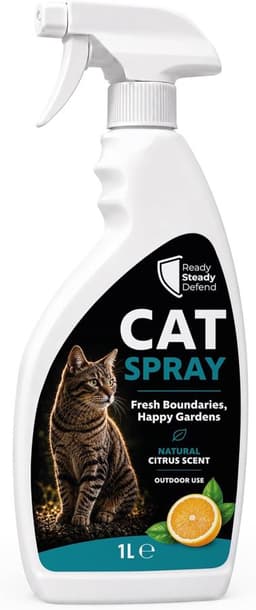
The lawn is the toilet again, usually a neighbour's cat, and the bottle you are considering will not fence the garden for a season. A cat repellent spray for the garden, in this set, means a short-term citrus layer on soil or a hard surface, washed off by British rain, and often followed by fouling the next day. The Products Compared editorial team used the saved amazon.co.uk extract for the outdoor citrus cat spray, £12.99 for 1 litre, with 2.8 from 22 ratings, plus Royal Horticultural Society and RSPCA guidance. This is not a laboratory test, and it does not review ultrasonic stakes or water jets. The full spray table is the [cat repellent spray comparison](/hub/pest-control/cat-repellent-spray).
The lawn is the toilet again, usually a neighbour's cat, and the bottle you are considering will not fence the garden for a season.
The lawn is the toilet again, usually a neighbour's cat, and the bottle you are considering will not fence the garden for a season. A cat repellent spray for the garden, in this set, means a short-term citrus layer on soil or a hard surface, washed off by British rain, and often followed by fouling the next day. The Products Compared editorial team used the saved amazon.co.uk extract for the outdoor citrus cat spray, £12.99 for 1 litre, with 2.8 from 22 ratings, plus Royal Horticultural Society and RSPCA guidance. This is not a laboratory test, and it does not review ultrasonic stakes or water jets. The full spray table is the cat repellent spray comparison.
Our top picks
| Badge | Product | Stated place | Stated volume | Reapply line | Note | Price | Offer |
|---|---|---|---|---|---|---|---|
| Best overall |  n/a Anti-scratch cat spray, 150 ml | Indoor furniture and garden | 150 ml | 2–3 times daily | 6.2 | about £14.99 | View offer |
 Cooper and Gracie Cooper and Gracie Urine Stop, 250 ml | Indoors on carpets and sofas; patios and fences | 250 ml | Every 2–3 days, then weekly | 8.4 | about £9.99 | View offer | |
| Best value |  n/a Outdoor citrus cat spray, 1 litre | Outdoor gardens, lawns, beds and patios | 1 litre | After heavy rain or cleaning | 5.9 | about £12.99 | View offer |


On this page
What an outdoor spray can realistically do
What UK buyers of this litre reported
Covers, pebbles, and planting beside the bottle
Neighbour cats and the law
Common questions
Will a citrus spray stop a neighbour's cat using the lawn as a toilet?
How often do I re-spray after British rain?
Is the 1 litre bottle better value than a 150 ml mist for a garden?
Can I use the spray on vegetable beds?
Can I hurt the cat, or use a homemade chilli mix?
When is a neighbour dispute a council matter rather than a bottle?
Related pages
Sources
Public UK sources used for this comparison. Shelf prices, stars and review counts are the amazon.co.uk figures on extracts saved before 21 October 2026. Last checked 20 October 2026.
- RSPCA: cats in gardens (retrieved 20 October 2026)
- RSPCA advice on deterring cats (retrieved 20 October 2026)
- RHS: cats in the garden (retrieved 20 October 2026)
- HSE: regulated biocides (retrieved 20 October 2026)
- HSE: using biocides (retrieved 20 October 2026)
- HSE: UK authorised biocidal products (retrieved 20 October 2026)
- Animal Welfare Act 2006, section 4 (retrieved 20 October 2026)
- Cats Protection: scratching (retrieved 20 October 2026)