Independent comparisons. We may earn from shop links. More info

Laminate floor scratch repair: what a kit can fix

Updated: October 2026

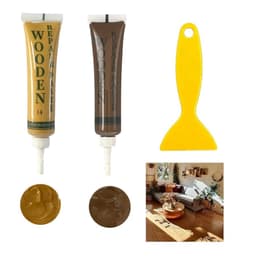
Dog claws have left pale lines by the back door, a chair foot has scored the surface, or a dropped object has exposed a brown speck at a plank edge. Laminate floor scratch repair begins by identifying which of those marks you have. A kit can colour a white line or fill a small stable chip, but it cannot rebuild a swollen core or replace the factory wear layer. Our [wood floor repair kit comparison](/hub/paints-and-varnishes/wood-floor-repair-kit) covers UK options for minor cosmetic damage; this page helps you decide whether your particular mark belongs in that category. We did not run a laboratory test, and a qualifying purchase can earn a commission at no extra cost to you.

Dog claws have left pale lines by the back door, a chair foot has scored the surface, or a dropped object has exposed a brown speck at a plank edge.

Our top picks

On this page

White lines, chips and swollen edges

A thin white line that your fingernail does not catch is usually the simplest case. The top surface may be scuffed without losing much material, so a light marker or soft wax can reduce the contrast. Work with the printed grain, test the colour out of sight and begin lighter than the finished floor. A dark felt tip applied across the line can make the repair more visible than the original scratch. A chip feels different. Your nail drops into a hollow, and you may see brown fibreboard beneath the printed surface. This needs volume as well as colour, using a laminate-suitable paste or melted hard wax. The kit does not recreate the original pressed wear layer. A rough, raised seam points away from a cosmetic repair. Laminate cores can swell after water enters a damaged edge, and they do not reliably shrink back. Confirm that a kit names vinyl before you use it on wood-effect vinyl.

What worked in the UK reviews

The available review evidence contains useful examples, but each is an anecdote rather than a promise. Lifreer reviewers describe filling a small laminate hole, including damage caused by a TV corner, and mixing colours until the result was difficult to spot. Some shades were criticised for acting more like paint than filler. The shared Cncedi review pool includes vinyl chips, a floorboard scratch and a small crack in grey furniture. Reviewers say the four base colours can be mixed, but several found the process fiddly and no mixture recreates printed grain. The grey, brown and multicolour Cncedi ASINs share the same 4.3-from-671 line, so those experiences should not be treated as three independent product tests. Aidehuakeji reviews mention a small cut in cushion flooring. A reviewer says there is no sealant in the pack and calls the result porous. One Plimbin review says filler did not take well on a flat scratch with no dent, so a marker or soft wax is more proportionate for a superficial line.
Lifreer Lifreer 12-colour filler

Testsieger

Lifreer Lifreer 12-colour filler
8.8/10about £16.99

What the kit will not do

A repair kit does not restore the board’s factory classification, wear layer or water resistance. BS EN 13329:2023 is a product standard for laminate floor coverings; it is not an approval of a touch-up paste or wax. Do not sand the scratch out. Unlike solid timber, laminate does not have matching wood beneath the surface. Sanding through the décor removes the picture and usually enlarges the pale area. If a scratch crosses a wet joint, stop the water before you fill. When the core is already swollen, replacement is the credible remedy. For severe damage, manufacturer guidance such as Quick-Step’s directs owners towards board replacement. The dividing line is stability. A dry, fixed board with one small cosmetic loss is a repair-kit candidate. Movement, swelling or a broken click mean the board needs attention. Our wood floor repair kit buying guide can help only after the floor passes that test.

After the repair

Judge the result from normal standing height and from the direction in which daylight enters the room. A fill may match in colour but reflect more light than the surrounding matt surface. Keep repaired areas dry for the product’s stated setting time and avoid heavy traffic until the material has hardened. There is no universal wait across paste, soft wax and melted hard wax. For the application sequence, read how to use a laminate floor repair kit. If you are deciding between soft wax, hard wax and paste, use our wax sticks versus wood filler guide.

Common questions

Can a kit hide dog scratches?
It can reduce the contrast of shallow claw lines if the décor remains intact. Use a light marker or soft wax along the grain and test first. If claws have removed material, a small amount of suitable fill may help; widespread scratches are unlikely to look consistent after spot treatment.
Why is the scratch white?
Light scattering from a roughened clear surface can make a scratch look white even when much of the printed pattern remains. That is why colour or a small amount of wax may work. If brown core is visible, the damage is deeper and needs fill rather than colour alone.
Will wax stop water entering the core?
Do not rely on it as waterproofing. Wax can occupy a small chip, but the available product evidence does not establish a waterproof membrane or restored factory joint. Wipe spills promptly, keep damaged seams dry and investigate any repeated moisture before the fibre core swells.
Can I sand a laminate scratch out?
No. Sanding risks removing the décor layer, which is a printed image rather than solid wood grain. Once that print is lost, generic wax cannot reproduce it. Use a surface colour treatment for a scuff, fill a chip, or replace a badly damaged board.
What if the chip is on the plank edge?
Check whether the joint remains flat, dry and locked. A tiny stable edge chip may accept suitable paste or hard wax, but a raised seam or moving click indicates structural or moisture damage. Filling the top will not secure a failed joint.
Will the repair show in daylight?
Possibly. Colour, grain and sheen all affect visibility, and direct daylight exposes a flat patch more readily than evening light. Test the mixture first, use the smallest repair area possible and assess from standing height. A good cosmetic repair reduces attention; it need not become invisible.

Related pages

Sources

Public UK sources used for the safety and repair limits on this page. Prices, stars and review counts are the amazon.co.uk listing lines used for this comparison.

  1. Consumer Rights Act 2015, section 9 (retrieved 17 October 2026)
  2. General Product Safety Regulations 2005, Great Britain (retrieved 17 October 2026)
  3. Quick-Step — how to repair a damaged laminate board (retrieved 17 October 2026)
  4. EPLF care bulletin, November 2024 (retrieved 17 October 2026)
  5. Kent Flooring Warehouse — laminate maintenance and repair (retrieved 17 October 2026)
  6. Wiltshire Wood Flooring Supplies — which repair product to use (retrieved 17 October 2026)
  7. HSE — formaldehyde releasers (retrieved 17 October 2026)
  8. BS EN 13329:2023 laminate floor coverings (retrieved 17 October 2026)