Independent comparisons. We may earn from shop links. More info

Weathered gun stock oil: refresh or stop?

Updated: October 2026

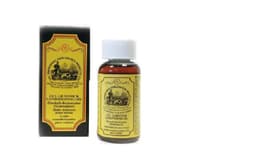
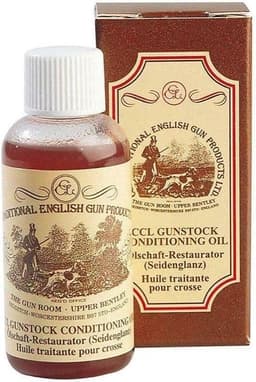
A shotgun or rifle stock can look flat and pale after a wet day without needing to be stripped, but only when the existing finish is oil and the wood beneath it remains sound. Weathered gun stock oil is a maintenance answer for that specific case, not a cure for cracks, lifted lacquer or an unidentified coating. The CCL 50 ml conditioning oil is the clearest match among the products in our [stock oil comparison](/hub/paints-and-varnishes/stock-oil), because its listing names worn or wet stocks. Before buying it, decide whether you are looking at a tired oil finish or a different problem.

A shotgun or rifle stock can look flat and pale after a wet day without needing to be stripped, but only when the existing finish is oil and the wood beneath it remains sound.

Our top picks

Abbey Abbey 25 ml stock finish

Best overall

Abbey Abbey 25 ml stock finish
8.4/10about £7.29
CCL CCL 250 ml conditioning oil

Alternative

CCL CCL 250 ml conditioning oil
5.5/10about £55.99
On this page

A weathered oil finish is not a stripped stock

A sound oil finish may lose lustre at handling points such as the comb and forend, especially after repeated exposure to rain and drying. If the grain remains stable, there are no cracks and the surface is known to be oil-finished, a few thin maintenance coats may restore an even appearance. That is a smaller intervention than removing the finish, sanding the stock and building a new sequence from bare timber. The distinction protects both the wood and your time. A full CCL kit contains red root oil, hardener, paste and fine sandpaper, all of which belong to a staged finishing job. Using those components on an intact finish can remove colour or soften crisp edges unnecessarily. If the wood is genuinely bare or has already been stripped, read the conditioning oil or finishing kit guide instead.

Check the finish before buying

UK shooting guidance makes the first split clear: stock oil belongs on an oil finish, while lacquered or varnished wood needs treatment compatible with that film. Oil placed over lacquer may remain sticky because it cannot enter the wood as intended. If you cannot identify the factory finish or later repairs have introduced mixed coatings, stop and ask the maker or a gunsmith. Once you are confident the finish is oil and the stock is sound, move to a restrained refresh. The detailed rubbing method belongs in our guide to how to apply gunstock oil; the decision here is whether you should apply it at all.
Abbey Abbey 25 ml stock finish

Testsieger

Abbey Abbey 25 ml stock finish
8.4/10about £7.29

What these listings say about wet wood

The CCL 50 ml conditioning oil is the lead product for this use. Its amazon.co.uk bullet says it can improve an oil finish, revitalise a weathered stock or make a new finish, including a stock that has become worn or wet. A UK reviewer describes treating the comb and forend of a Beretta 687 after rain with thin hand coats over a couple of weeks and obtaining a satin result. That is relevant experience, but it remains one reviewer’s stock and method rather than a promised result. The CCL 250 ml listing also says the product can revitalise a weathered stock, but it does not specifically mention rain in the extracted text. It costs £55.99 and has no customer-review line in the stored listing. The larger bottle may suit repeat maintenance across several known oil-finished stocks, yet it offers less listing-level reassurance to a first-time buyer than the 50 ml version.

Apply sparingly and know when to stop

Stop if the surface becomes sticky, a white mark spreads, the film lifts or the wood changes shape. Do not add solvent, sand the patch or cover it with another product in the hope that more chemistry will even it out. A gunsmith can distinguish a finish failure from damage to the timber and can protect chequering, fit and original colour during correction. A crack always falls outside maintenance. So does a stock that needs powered sanding, recut chequering or repair around inletting. New finishes also need caution before returning to wet field use: Sporting Gun reports that a newly finished stock taken into rain the following day can turn hazy. “Dry to touch” and ready for rain are not necessarily the same point. For a broader choice between all four products, including the Abbey sheen bottle and the full kit, use the gunstock oil buying guide.

Common questions

My stock looks dull after rain. Do I need the kit?
Not if the stock is sound, definitely oil-finished and only needs maintenance. The CCL 50 ml conditioning bottle more directly matches a weathered or wet existing finish. The kit is proportionate when wood is prepared bare or stripped and needs a staged finish built.
Which listing actually mentions wet or weathered wood?
The CCL 50 ml bullet names a stock that is worn or has got wet, while a UK review describes use after rain. The 250 ml listing names a weathered stock but not rain in the extracted text. Abbey makes no equivalent wet-stock claim here.
How much oil should I apply?
Use the smallest quantity the maker’s instructions permit and spread a thin coat along the grain. Public UK maintenance guidance commonly describes drops or a fingertip amount. That illustrates restraint rather than prescribing an exact dose for every CCL or Abbey product.
What if I cannot tell whether the finish is oil or lacquer?
Do not guess across the whole stock. Oil over lacquer can stay sticky, and previous repairs may make visual identification difficult. Ask the manufacturer or a gunsmith to identify the finish before choosing a conditioner, abrasive or solvent.
Is a white mark after Abbey oil normal?
One UK reviewer reported a water-like mark on a BSA Meteor after using Abbey and said several wax sessions were needed to lift it. That is one report, not a normal expected result. Stop application, avoid improvised solvents and seek product or professional advice.
Will conditioning oil repair a crack?
No. Oil may alter colour around a crack but does not restore structural strength or correct movement. A cracked stock should be assessed and repaired by a competent gunsmith before cosmetic finishing, particularly near the action, inletting or high-stress areas.

Related pages

Sources

Public UK sources for the finish, cloth and label points on this page. Prices, stars and review counts are from the amazon.co.uk extracts for B00T7BUM9M, B0839NFGHY, B0839M71BN and B088RLYJ73, stored on 15 October 2026.

  1. ShootingUK — How can I restore my gun stock shine? (retrieved 15 October 2026)
  2. Purdey — Gun care recommendations (retrieved 15 October 2026)
  3. Vintage Guns — Making oils for stock finishing (retrieved 15 October 2026)
  4. East Sussex Fire and Rescue Service — Fire hazards of linseed oil (retrieved 15 October 2026)
  5. HSE — Wood dust (retrieved 15 October 2026)
  6. CLP Annex I, 2.6 — Flammable liquids (retrieved 15 October 2026)
  7. Firearms Act 1968, section 57 (retrieved 15 October 2026)
  8. SI 2012/1715, Schedule 1 — VOC activities (retrieved 15 October 2026)