Independent comparisons. We may earn from shop links. More info

How to apply gunstock oil in thin, controlled coats

Updated: October 2026

If you are about to open a bottle beside a walnut shotgun, rifle or airgun stock, the aim is not to make the wood visibly wet. Learning how to apply gunstock oil means putting on a very small, even coat, keeping it out of the chequering and allowing the actual product and finish enough time to dry. This guide covers a maintenance coat on sound, known oil-finished wood; it is not a firearm-handling procedure or a full bare-wood restoration. Compare suitable products first on the [stock oil comparison](/hub/paints-and-varnishes/stock-oil), then follow the instructions supplied with your bottle whenever they differ from a general method.

If you are about to open a bottle beside a walnut shotgun, rifle or airgun stock, the aim is not to make the wood visibly wet.

Our top picks

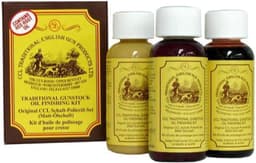
CCL CCL oil finishing kit

Best overall

CCL CCL oil finishing kit
7.8/10about £44.99
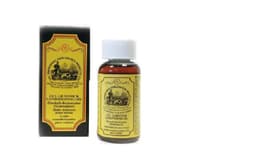
Abbey Abbey 25 ml stock finish

Best value

Abbey Abbey 25 ml stock finish
8.4/10about £7.29
On this page

Before any oil touches the wood

Work only on a dry stock whose finish you can identify as oil. If it has just come in from rain, let the wood return to a dry, stable condition before deciding whether it needs anything. Lacquer, varnish and synthetic stocks do not become oil finishes because a bottle is rubbed over them. If you are still deciding whether dullness after wet use calls for maintenance, read our guide to weathered gun stock oil. If the stock is bare or stripped, use our conditioning oil or finishing kit guide rather than improvising a full finish from maintenance steps.

Apply one coat with the grain

Purdey’s public gun-care guidance describes a fingertip quantity of boiled linseed oil worked with the palm along the grain, with at least 24 hours before another treatment. That illustrates the scale of a maintenance coat, not a universal instruction for every CCL or Abbey formula. Start with the smallest amount your own label permits. You should be spreading a film rather than flooding the grain or leaving beads around the furniture. Keep routine maintenance oil out of the chequering unless the maker gives a specific method. Repeatedly loading those cut diamonds can soften their appearance and trap residue. Purdey advises no oil in the chequering in its maintenance guidance, while a Sporting Gun refinishing method uses a toothbrush there only at the end of a much larger process. Those are different contexts, which is why “oil everything at once” is poor general advice.
CCL CCL oil finishing kit

Testsieger

CCL CCL oil finishing kit
7.8/10about £44.99

Wait for the coat, not the calendar alone

Drying figures from different methods should remain separate. Purdey gives at least 24 hours for its fingertip boiled-linseed maintenance treatment. Sporting Gun describes a matt refinishing route in which a coat is left for at least six hours and repeated over 10 to 14 days. Vintage Guns describes longer traditional finishing work that can take weeks. None of those schedules is a verified drying time for a particular Abbey or CCL ASIN. If a coat remains tacky, stop adding oil. One CCL reviewer reported bare pine still sticky after 48 hours; that individual report is not a standard drying time. Consult the bottle directions or a gunsmith before using abrasives or solvents on a valued stock.

Cloths, dust and the point to stop

Oil-soaked cloths require deliberate handling. UK fire and rescue services warn that cloths containing drying oils such as linseed can heat through oxidation and ignite when folded or piled together. The risk comes from heat being trapped in the material; the fact that there is no flame when you finish rubbing does not make a heap safe. Follow the oil maker’s disposal instructions and your local authority’s waste guidance. Stop when the surface is evenly treated and the product directions say the coat is complete. More oil does not guarantee more protection or a deeper lustre. For help selecting a bottle before you begin, use the gunstock oil buying guide.

Common questions

How much oil should go on one side?
Use the smallest quantity allowed by the product instructions. Purdey describes a fingertip amount for its boiled-linseed maintenance method, which shows how restrained the coat should be but is not a dose for every formula. Spread a thin film and remove surplus as directed rather than leaving visible pools.
Should I oil the chequering?
Not as part of a general maintenance coat. Oil can collect in the cuts and soften their definition. Purdey advises keeping oil out, while one longer refinishing method treats chequering only at the end with a toothbrush. Follow product-specific instructions or ask a gunsmith if the area itself needs work.
How long does gunstock oil take to dry?
There is no single verified time across these products. Abbey says quick drying without giving hours; Purdey gives at least 24 hours for a named linseed method; other refinishing schedules use six-hour intervals or several weeks. Follow your bottle and judge each thin coat before applying another.
What should I do if the surface stays sticky?
Stop adding oil and check whether the coat was too thick or the original finish incompatible. Do not reach immediately for solvent or powered sanding. The safest correction depends on the finish and wood, so follow the maker’s advice or consult a gunsmith before cutting the surface back.
What should I do with the oily cloth?
Never leave it folded or piled. Drying oils can generate heat as they oxidise, and UK fire services warn that trapped heat can cause ignition. Follow the label and local waste guidance immediately, keeping used materials isolated from combustible waste, children, pets and ignition sources.
Should I sand the stock first?
Not for an ordinary maintenance coat on a sound existing finish. Sanding can remove colour, round edges, damage chequering and generate hazardous hardwood dust. Bare-wood preparation, damaged finishes and structural repairs are refinishing work; use the kit instructions or consult a gunsmith.

Related pages

Sources

Public UK sources for the finish, cloth and label points on this page. Prices, stars and review counts are from the amazon.co.uk extracts for B00T7BUM9M, B0839NFGHY, B0839M71BN and B088RLYJ73, stored on 15 October 2026.

  1. ShootingUK — How can I restore my gun stock shine? (retrieved 15 October 2026)
  2. Purdey — Gun care recommendations (retrieved 15 October 2026)
  3. Vintage Guns — Making oils for stock finishing (retrieved 15 October 2026)
  4. East Sussex Fire and Rescue Service — Fire hazards of linseed oil (retrieved 15 October 2026)
  5. HSE — Wood dust (retrieved 15 October 2026)
  6. CLP Annex I, 2.6 — Flammable liquids (retrieved 15 October 2026)
  7. Firearms Act 1968, section 57 (retrieved 15 October 2026)
  8. SI 2012/1715, Schedule 1 — VOC activities (retrieved 15 October 2026)