Independent comparisons. We may earn from shop links. More info

How to varnish acrylic paintings without a cloudy coat

Updated: 22 October 2026

The acrylic feels dry to a fingertip, the bottle is already on the table, and you want a clear coat before dust settles. Touch-dry is not the same as dry through. This page is the sequence for a water-based acrylic varnish on a painting you have already chosen: how long to wait, how to brush, and what milky, cloudy or sticky means after the coat. Bottle choice stays on the [acrylic varnish comparison](/hub/paints-and-varnishes/acrylic-varnish). Sheen stays on [gloss vs matte varnish acrylic](/hub/paints-and-varnishes/acrylic-varnish/sub/acrylic-varnish-gloss-vs-matte). The steps follow Winsor & Newton and Liquitex UK guidance, plus faults already described in UK reviews of this set. Links to Amazon from the main comparison are affiliate links. This is not a lab demonstration. Peter F. edits DIY & tools.

The acrylic feels dry to a fingertip, the bottle is already on the table, and you want a clear coat before dust settles. Touch-dry is not the same as dry through.

Our top picks

On this page

Wait until it is dry through

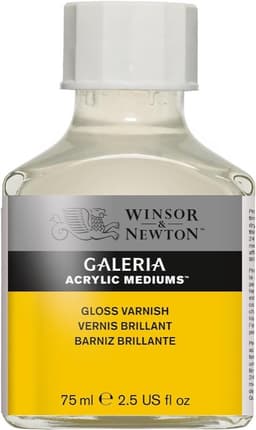
Winsor & Newton says thin acrylic should wait at least 24 hours, and impasto can need up to a week, before you varnish. Liquitex asks for 72 hours to two weeks, depending on how thick the paint is, and then at least 24 hours between varnish coats. A UK review of Liquitex Professional satin says paint lifted when the canvas was not left long enough, and one reviewer puts that wait at a week. The listing clocks are not a substitute for that wait. Galeria's amazon file prints a 24-hour dry time and a 0.25-hour full cure, which do not agree with each other. Liquitex satin lists 4 hours to dry and 24 hours to full cure, and that is the varnish film, not permission to varnish yesterday's impasto. If the paint is still soft in a thick passage, leave it.

Flat, thin, one direction

Lay the canvas flat. Winsor & Newton warns against working upright, because a wet coat runs and pools. Stir the bottle. Liquitex says not to shake hard, because bubbles stay in the film. Use a wide, soft brush, load it lightly, and pull long strokes in one direction. A UK satin review on a hot day says the coat levelled in about 20 minutes, which means you work and then stop. On a 100 by 100 cm canvas the same varnish dried too fast and left brush marks when it was overworked. Do not go back into a patch that has started to grab. Winsor & Newton says reworking a wet area can dry cloudy, especially on dark colours. If you miss a spot, Liquitex says wait until the coat is dry and then touch in, rather than chasing the wet edge. Cover the painting against dust while it sets.

Milky, cloudy, sticky

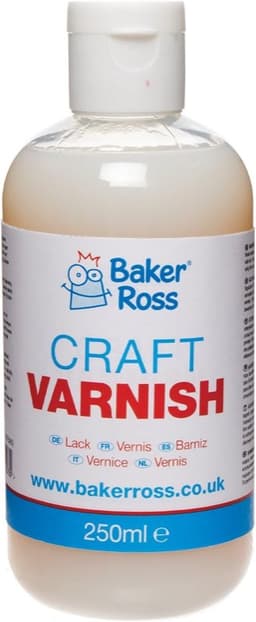
Water-based varnish often looks milky in the bottle and milky as you brush it, then dries clear. UK reviews of Liquitex satin and of several gloss bottles describe exactly that, and a clear dry film is the result you want. Cloudy, white, sticky or yellow after the coat should already be dry is a fault. A heavy satin coat can turn the painting white. GRANOTONE reviews describe a film that stays sticky, or a coat that behaves like glue and will not spread. Baker Ross can lump on a large canvas because it skins while you are still brushing. A thick coat is the usual cause. Jackson's Art notes that a heavy film stays sticky, pools, or clouds. One or two thin coats are the Liquitex limit for satin or matte unless a gloss layer is underneath.

Water, smell, and when to stop

Do not thin Liquitex Professional satin with water. The maker says so, and a UK reviewer quotes the same instruction on the bottle. Another UK reviewer thinned it for an airbrush anyway. That second use does not rewrite the label. If the label is silent, test a corner rather than inventing a ratio. EIGTWEN reviews mention a smell while the film dries, and a UK reviewer of the gloss-and-matte pair wanted open windows. Home use still needs ventilation. If the work is employment, the Health and Safety Executive treats spraying as higher exposure than a brush and prefers water-based products. This page is a brush method, not a spray method. Stop and get help when the painting cannot be replaced and the coat has already gone wrong. Isolation coats and removal belong on varnish for acrylic paintings.

Common questions

How long do I wait after the acrylic paint is touch-dry?
Wait until it is dry through, not merely touch-dry. Winsor & Newton says at least 24 hours for thin acrylic and up to a week for impasto. Liquitex says 72 hours to two weeks, depending on thickness, then at least 24 hours between varnish coats. Listing dry times describe the varnish film, not the paint underneath.
Why does the varnish look milky and then clear?
Water-based acrylic varnish often looks milky in the bottle and while it is wet, then dries clear. That is the normal look of this chemistry. A coat that stays white, cloudy or yellow after it should be dry is a different problem, usually a heavy film or paint that was not dry through. Do not keep brushing to chase the milky colour out.
Can I brush back over a tacky patch?
Leave a tacky patch alone. Winsor & Newton says reworking a wet area can dry cloudy, especially on dark colours. A UK satin review on a 100 by 100 cm canvas got brush marks by overworking a coat that skinned in the warm room. If you missed a spot, wait until that coat is dry and touch it in later.
How many coats, and why is a thick coat a fault?
Plan on one to three thin coats, and keep satin or matte to one or two unless gloss is underneath, which is Liquitex's limit. A thick coat stays sticky, pools, clouds, or turns white. Thin coats, at least 24 hours apart, are the method the makers describe.
Can I thin Liquitex satin with water?
Liquitex says not to thin this permanent satin with water, and a UK review quotes that instruction. Another reviewer thinned it for an airbrush, which is a contradiction in the file, not a new label. If your bottle is a different brand and the label is silent, test a scrap. Do not copy an airbrush experiment onto a finished canvas. Stir the bottle. Do not shake it hard.

Related pages

Sources

Public UK sources from the research digest, last checked on 19 October 2026. Shelf prices and star lines are the amazon.co.uk figures in the display file. The price band is this set, not a market average. No listing was cured in a lab.

  1. SI 2012/1715, VOC in paints and varnishes (retrieved 19 October 2026)
  2. SI 2012/1715 Schedule 2, trim varnish limits (retrieved 19 October 2026)
  3. HSE: solvents (retrieved 19 October 2026)
  4. Winsor & Newton UK: how to varnish acrylic paintings (retrieved 19 October 2026)
  5. Liquitex UK: varnishing acrylics (retrieved 19 October 2026)
  6. Liquitex UK: professional satin varnish (retrieved 19 October 2026)
  7. ARTdiscount: varnishing acrylic paintings (retrieved 19 October 2026)
  8. Daler-Rowney: how to varnish paintings (retrieved 19 October 2026)