Hibiscus in pots in the UK
A balcony is not a border, and one pot will not overwinter every hibiscus the same way. Hibiscus in pots in the UK means a wide container that drains, then a winter plan that matches the species: rose of Sharon can stay out only with shelter, and Chinese hibiscus has to come indoors. The [hibiscus plant comparison](/hub/ornamental-plants/hibiscus-plant) is the amazon.co.uk set, which does not name pot sizes. Peter F. used RHS, Gardeners' World, and Love The Garden guidance, checked on 20 October 2026. A qualifying amazon.co.uk purchase can earn a commission at no extra cost to you.
A balcony is not a border, and one pot will not overwinter every hibiscus the same way.
A balcony is not a border, and one pot will not overwinter every hibiscus the same way. Hibiscus in pots in the UK means a wide container that drains, then a winter plan that matches the species: rose of Sharon can stay out only with shelter, and Chinese hibiscus has to come indoors. The hibiscus plant comparison is the amazon.co.uk set, which does not name pot sizes. Peter F. used RHS, Gardeners' World, and Love The Garden guidance, checked on 20 October 2026. A qualifying amazon.co.uk purchase can earn a commission at no extra cost to you.
Our top picks
| Badge | Product | Species named | Setting | Sun stated | Note | Price | Offer |
|---|---|---|---|---|---|---|---|
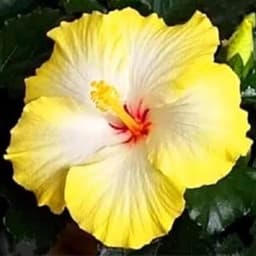
| Best overall |  Generic Generic yellow Hibiscus syriacus | Syriacus on the title; rosa attribute | Outdoor | n/a | 5.3 | about £14.50 | View offer |
 CXVGFHYG CXVGFHYG 1 hibiscus bulb, variant H | Not named | Indoor and garden | Full sun and shade | 4.0 | about £7.79 | View offer | |
 ZFGJGHK ZFGJGHK 1 hibiscus bulb, colour code A | Not named | Indoor and outdoor; balcony pots claimed | Sun-loving | 3.9 | about £9.90 | View offer |


On this page
A wide pot that drains
Summer outside, including a hardy shrub in a pot
The tender plant’s winter windowsill
What not to pot up from this amazon set
Common questions
Can I grow hibiscus in a pot on a balcony?
Which compost, John Innes No 2 or No 3?
When do I bring Chinese hibiscus in?
Will a rose of Sharon in a pot survive winter outside?
Why are the buds dropping on the windowsill?
How often do I repot?
Can I use the rhizome listings as patio plants?
Related pages
Sources
Public sources from the research digest, last checked on 21 October 2026. Shelf prices and star lines are the amazon.co.uk figures in the display file. The price band is this set, not a market average. Scores apply to these eight listings only.
- RHS: Hibiscus syriacus (retrieved 21 October 2026)
- RHS: Chinese hibiscus growing guide (retrieved 21 October 2026)
- RHS: Hibiscus moscheutos (retrieved 21 October 2026)
- BBC Gardeners' World: rose of Sharon (retrieved 21 October 2026)
- House & Garden: how to care for hibiscus (retrieved 21 October 2026)
- GOV.UK: plant passports to trade plants in Great Britain (retrieved 21 October 2026)
- Consumer Rights Act 2015, section 9 (retrieved 21 October 2026)
- Animal PoisonLine: pet-safe plants (retrieved 21 October 2026)
- ASPCA: Hibiscus syriacus (retrieved 21 October 2026)