Peat free compost England: the 2024 date is not a ban
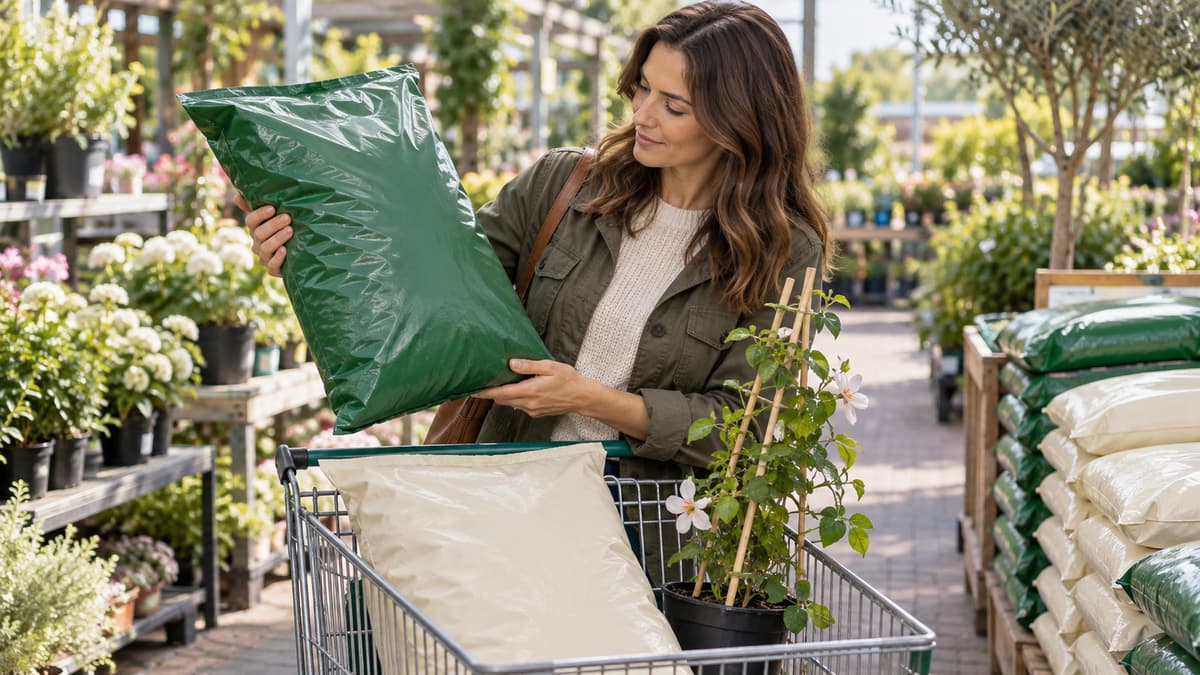
Peat free compost in England is a label, not a finished ban. Amateur sales were to end by 2024 in a 2022 announcement; Defra was still on next steps in 2024.
On this page
You are in the compost aisle with a new climber in the trolley and two bags that look nearly the same. One says peat-free. A headline you half remember says peat sales ended in 2024, so the other bag feels like a risk. Peat free compost England is the phrase on the search, and peat-free is also a line on the sack. On the sources checked here, that line is not proof the other sack is already unlawful.
We read the GOV.UK announcement of 27 August 2022, the written answer Mary Creagh gave on 12 September 2024, and a BBC report of 8 November 2024. There is no compost trial behind this page. A qualifying purchase through our links can earn a commission at no extra cost to you.
Amateur sales in England were announced as a ban by 2024. In September 2024 Defra was still looking at next steps. A private bill is not a ban that has started. Buy the potting compost for the hole you are digging, and do not treat a news date as an offence.
In short
Amateur sales of horticultural peat in England were announced on 27 August 2022 as a ban by 2024, and that announcement is not a ban this page can call in force. On 12 September 2024 Defra was still looking at next steps, and a private bill reported on 8 November 2024 was still a proposal. Read the bag: peat-free is not shown here as the worse compost, and peat is not shown as compulsory for a rhododendron or a blueberry.
What the 2022 announcement said
On 27 August 2022 the government published a news release: the sale of horticultural peat was to be banned, framed as protection for peatlands. The timetable is the line people still repeat. It covered peat compost for amateur gardeners, with sales in England to be banned by 2024. The release named a plan and a year. It did not record that the plan had already taken effect.
A news release is not a commencement, and older articles that keep 2024 in the headline do not turn it into one. Copying "by 2024" across into "banned since 2024" is the mistake. The release also does not rank peat against peat-free. Bagged compost peat and bagged compost without peat can both carry a soft photograph of a border. If a page cites only that August release and then calls your purchase an offence, it has skipped the step that would make the offence real.
What Defra said after the 2024 date
The later official sentence in these sources is the written answer of 12 September 2024. Mary Creagh said Defra was still looking at next steps. That month sits after the deadline the 2022 announcement had named. If amateur sales had already been prohibited, the phrase would be an odd description of a finished rule. This page takes the answer as the later position on record: the department had not closed the question.
The same answer treats the subject as devolved. You cannot paste the England announcement onto Scotland, Wales, or Northern Ireland and call it their law. If the shop is outside England, the 2022 release is the wrong instrument, and nothing here guesses what those governments have done.
On 8 November 2024 the BBC reported a private bill aimed at the end of 2025, with the Horticultural Trades Association asking for more time. A private bill is a proposal, not a commenced ban. An update written in October 2026 cannot invent a commencement these sources do not contain.
What to read on the bag
You are buying potting compost for a new ornamental. At the till, read the sack. If it says peat, peat-free, or ericaceous, that is the contents claim you can check against the plant. A peat ban UK search still surfaces the 2022 headline. Use it as the history of an announcement, then read the ingredients.
Leaving a labelled bag because a website says 2024 has been and gone is the error. These sources do not score peat against peat-free.
Note the litres, what the ingredients line names, and whether you need a general mix or an acid one. Until a source later than November 2024 shows that a sale has been prohibited, do not put illegal on a product title.
The nursery pot is a different object. A climber bought by post is sold as a plant, and the medium around the roots came with it. If the listing names that medium, stop at that line. If it names nothing, a 2022 story does not let you mark the plant as illegal peat.
Compost for a new climber
Planting climbers, compost included, starts with the hole. The Royal Horticultural Society's notes on how to plant a climber point to garden compost or leaf mould as a mulch. That is a gardening instruction, not a peat rule, and it does not say a peat-free bag will let the plant down. You still match the hole to the root ball and water through the first growing season. Mulch slows drying at the surface.
When you want the plant compared, the rhododendron comparison and the blueberry bush comparison hold pot size and the soil the sack has to match, which change how any compost has to work. A twiner on a bare panel fails for lack of wires, not for lack of peat. The hole and the tie-in stay with the plant.
This page trialled no brands. A dusty mix that sheds water is a poor mix on a dry wall whether or not peat is printed on the sack. A week later, if the compost has shrunk clear of the root ball, water that gap.
Acid mixes are a different question
Rhododendrons and blueberries are often sold with an acid compost, and that is a different question from the England announcement. An acid mix is about pH. Peat is one material people have used to make mixes acid. It is not the definition of an acid mix, and none of these sources say the plants require peat.
If the pack says ericaceous, read that as a claim about acidity, then see whether the ingredients include peat. An acid bag can be peat-free. A bag that contains peat is not automatically the right acidity for the shrub in your hand.
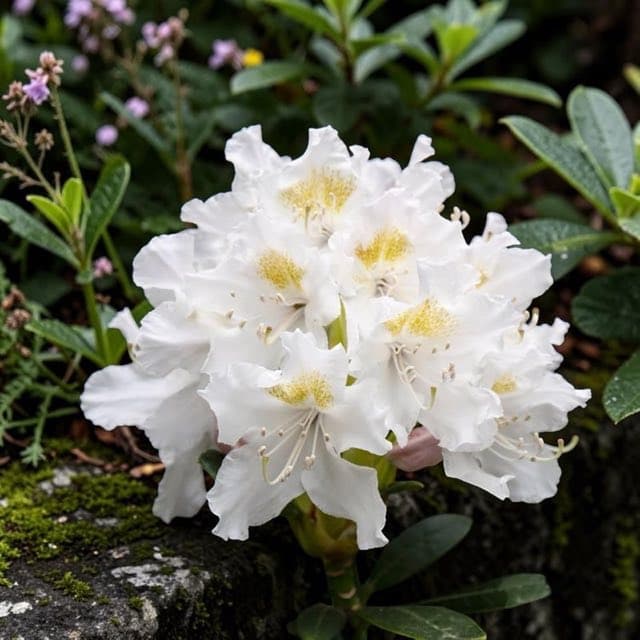
The rhododendron comparison and the blueberry bush comparison are where you judge the plant. On a product page, repeat peat, peat-free, or ericaceous only when the listing says so, and keep the date you checked. The private bill in the November 2024 report is not a commencement to print as law. On 20 October 2026 the top pick was Carbeth Plants Cunningham’s White, two plants in 9 cm pots at about £14.99, with 4.2 from 26 reviews. The listing states acidic soil and partial shade.
Common questions
The questions that change the bag are whether peat compost is banned, whether 2024 stops a purchase, whether the announcement is England only, whether the nursery mix counts, what to use for a climber, whether peat-free is worse, what an acid-loving shrub changes, and whether a 2026 search should still say illegal.
Common questions
Is peat compost banned?
Does the 2024 date mean I cannot buy a bag?
Is this England only?
Does the plant's nursery mix count?
What do I use to plant a climber?
Is peat-free compost worse?
Does this change rhododendron or blueberry compost?
Is peat compost illegal in England in 2026?

Peter F. is the editor for DIY & tools at productscompared.co.uk. Comparisons in this category are checked against amazon.co.uk listings, review evidence and public UK sources.
Related articles

Ornamental plant prices UK: read the pot, then pay
Ornamental plant prices on amazon.co.uk on 20 October 2026 run about £11 to £31. A 9 cm pot and a 2 litre plant are different buys.

Watering new climbers: feel the soil, then water
Watering new climbers starts with the soil. Feel a few centimetres down, keep the roots moist through the first growing season, and stop when it is already wet.

Plant arrived dead UK: when to send them back
If a plant arrived dead in the UK, treat mushy stems and a crushed box as a delivery fault. Photograph the parcel and do not compost the evidence.