Plant arrived dead UK: when to send them back

If a plant arrived dead in the UK, treat mushy stems and a crushed box as a delivery fault. Photograph the parcel and do not compost the evidence.
On this page
You cut the tape, lifted out a climber, and the stems folded like cooked spaghetti. When a plant arrived dead in the UK, the first job is to separate a delivery failure from a mistake you will make in the garden next month. Mush at unboxing, a box that looks run over, and compost that smells wrong belong in a return conversation. A tired leaf on an otherwise firm plant may still go in the ground after you tie it in. We used the Consumer Rights Act 2015, Royal Horticultural Society planting and brown-leaf notes, and Defra plant passport guidance. This is a desk briefing, not legal advice. A qualifying purchase through our links can earn a commission at no extra cost to you.
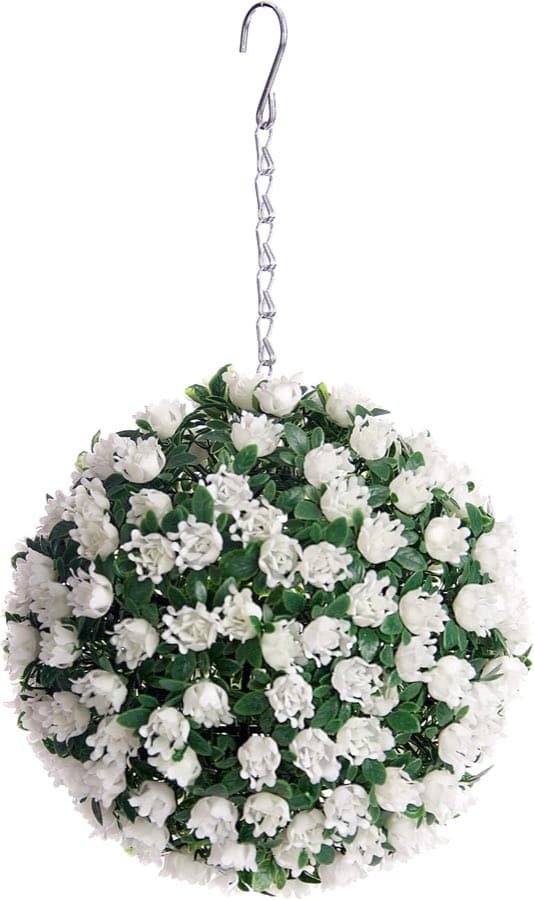
Mail-order climbers, rose balls, and blueberry bushes share the same risk: they travel in cardboard, not in soil you control. The top pick on the rose ball comparison is the Best Artificial 23 cm white hanging rose ball, about £14.99 on amazon.co.uk, rated 4.4 from 271 reviews. That listing price buys the item as described, not a guarantee against every courier dent. Your remedy when the goods fail is consumer law and the seller's stated returns process, not a gardening forum guess. A blueberry bush or a jasmine plant still needs the same unboxing photos before you plant it.
In short
Treat mushy stems, black roots, and a crushed box on the day of delivery as a fault to report, not as something to plant and hope for. The Consumer Rights Act 2015 expects goods from a trader to be of satisfactory quality, fit for purpose, and as described. Photograph the parcel and the plant before you compost anything. Brown lower leaves weeks later often mean dry roots after planting, which is a different problem from a dead arrival.
Dead on opening versus struggling later
Dead on opening means the plant fails the first sensible check at the door. Stems are soft or snapped beyond tying in, leaves are black or grey without firm buds beneath, roots smell sour, or the compost is a wet mat with no white tips. A damaged plant delivery can also arrive barely alive: one broken stem, a scuffed leaf, and firm tissue below. That second case may recover with water and shade for a few days, and it may still be worth a partial complaint if the listing showed pristine growth.
Struggling later is the climber you planted in April that browns from the bottom in a dry May. The Royal Horticultural Society separates that drought pattern from transit shock. Establishment can take months, and a nursery leaf dropping in week one is ordinary. A refund argument weakens when the box looked fine, you planted on day two, and the failure appears after a fortnight without rain against a wall. Your diary matters: unboxing notes beat memory when you email the seller.
The limit of this page is timing. It covers arrival and the first days in the pot on the step. It does not diagnose honey fungus from a sentence or promise that every marketplace will replace a blueberry bush without seeing photos.
What the Consumer Rights Act covers
When you buy a plant from a trader as a consumer, the Consumer Rights Act 2015 applies the standards of satisfactory quality, fitness for purpose, and matching the description. A dead pot on arrival is not satisfactory. A climber sold as ready to plant that arrives with no living buds is not fit for purpose. A variety name on the label that does not match the listing is not as described. Those are the hooks for a return a dead plant conversation, stated here in plain language from the Act's public summary, not as a quote for court.
For many faults spotted soon after delivery, you can reject the goods and seek a refund, repair, or replacement where that is reasonable. The Act does not grant a gardening calendar extension, and rain after handover to the courier does not erase mush at unboxing. Return fees and carriage back sit in the checkout text. Read that before you post a heavy rootball, and do not assume a marketplace replacement rule that the listing never printed.
What to record before you compost it
Evidence wins dull disputes. Before you throw the box on the recycling pile, photograph the outside label, the crush points, and the inner wrap. Lay the plant beside the open carton with the nursery tag visible. Take close-ups of mushy stem joints, exposed roots, and any mould on the compost surface. If you ordered a tall climber and it arrived bent double, include a straight-edge cane in one shot so height damage is obvious.
Note the delivery date, a wet outer box, and a full-sun drop-off in one seller thread, with the same files attached. Do not plant what you plan to return unless the seller tells you to bin it. For a rose ball, torn wrap and snapped heads need same-day pictures, because the damage is what the courier did to the listing, not a root that will drink later.
Snapped canes, cracked pots, and passports
Couriers break bamboo canes often. A splintered cane with green, firm stems is usually a packaging loss, not a dead plant. Replace the cane and tie loose stems before you decide the purchase failed. When the stems themselves are snapped and the cambium is brown, you are back in damaged plant delivery territory. Compare the pot with the jasmine plant comparison listing you ordered, so the photo matches the pot size on the page.
A cracked pot splits the difference. A firm root ball and one clean break on terracotta can be repotted. Keep the shards for photos, and ask for a partial credit if the listing promised intact pots. Roots hanging through a shattered base need the same photo set as a dead arrival, because drying may have killed tissue you cannot see yet.
The plant passport sticker is for traceability under UK plant health rules, not a certificate that the van was gentle. Keep it in the frame because traders may need it, but argue quality with stem and root pictures. A passport on a crushed pot still means you reject the goods, not that you grab a spade.
When it is a watering problem instead
Not every brown leaf is an amazon plant arrived crushed story. After planting, the Royal Horticultural Society brown-leaf guidance points to dry roots as a common cause of brown lower leaves and brown tips on woody plants, especially when spring weather turns hot and windy. A wall throws rain away from the base, and a new root ball is still pot-sized for months. Feel the soil before you reopen the refund tab.
If unboxing looked fine, you planted at the right depth with the rootball to the edge of the compost as the society planting guide describes, and browning arrives after a dry fortnight, start with water at the roots, not with a chargeback. The watering a new climber page explains that check without mixing it into transit law.
The trade-off is blunt. Sellers should not hide behind gardening advice when stems were black on day zero. You should not hide behind consumer law when the box was fine and the compost dried out because the pot sat on a patio for a week unwatered. Date the failure. Mush at the door is theirs. Brown tips in June after you forgot to water are yours unless you can prove otherwise.
Common questions
The questions below cover mushy stems, time limits, snapped canes, cracked pots, late brown leaves, plant passports, return postage, and which photos to keep.
Common questions
The stems are mushy. Do I plant it?
How long do I have to complain?
Is a snapped cane the same as a dead plant?
What if only the pot is cracked?
Brown leaves a month later — is that the seller?
Does a plant passport mean it was alive?
Who pays return postage?
What photos should I keep?

Peter F. is the editor for DIY & tools at productscompared.co.uk. Comparisons in this category are checked against amazon.co.uk listings, review evidence and public UK sources.
Related articles

Ornamental plant prices UK: read the pot, then pay
A 9 cm pot dries faster than a 2 litre plant. Read the pot size before you judge the price.

Watering new climbers: feel the soil, then water
Brown leaves a month after planting often mean dry roots, not a dead arrival. Feel the soil first.

Rain shadow planting: set roots 45 cm from the wall
A wall keeps rain off the base. Set the root ball out, then water through the first growing season.