When to replace an electric shower: warning signs

Learn when to replace an electric shower, which warning signs mean stop using it, and when cleaning, repair or a like-for-like swap may be sensible.
On this page

A sudden cold shower is frustrating, but it does not automatically mean you need a new unit. Knowing when to replace an electric shower starts with separating dangerous symptoms from seasonal performance, scale or a fault that may be economical to repair. Age is useful context, yet a leak from the casing, a burning smell or repeated electrical tripping matters far more than an estimated average lifespan.
In short
Stop using the shower if water leaks from its casing, you notice heat damage or a burning smell, or the breaker trips when the unit tries to heat. Arrange a competent professional assessment. If the symptom is only reduced flow, unstable temperature or weaker winter performance, external checks and descaling the removable shower head may be sensible before you replace the appliance.
How long should an electric shower last?
There is no single electric shower lifespan that tells you when replacement is due. Homebuilding reports a Triton estimate of roughly eight to ten years, and hard-water scale can shorten that. Treat it as a manufacturer's broad range, not an expiry date. Usage, water conditions, installation, maintenance and spare parts all change the outcome.
Ownership reports vary too widely for a reliable average. Comparison research includes faults at about ten or eighteen months, an internal leak inside a year, and units replaced after roughly 15 years. Those are individual reports, not controlled lifespan evidence.
Age changes the economics, not the immediate safety decision. A recent shower with a confirmed replaceable part and a valid guarantee may be worth repairing. An older model with repeated faults, damaged fittings and scarce parts may be poor value even if it can be restored. Keep the receipt, model, serial number and installer paperwork.
Warning signs that mean stop
Some symptoms call for an immediate stop rather than another trial run. Turn the shower off using its normal controls and isolator, if you can do so safely, and seek help if you find any of the following.
- Water is escaping from the appliance casing. That is not a shower head dripping briefly after use. Do not remove the cover to find the leak.
- There is a burning smell, discolouration, crackling or visible heat damage, even if the shower still runs hot.
- The breaker or protective device trips when the shower heats. Do not keep resetting it to see if the fault clears.
- The controls, casing or pull-cord isolator become unusually hot. Have the appliance and the installation checked.
An electric shower combines mains electricity and water, so opening it is not a normal DIY task. A competent electrician or an authorised service engineer should find whether the fault is in the shower, its dedicated circuit, the isolator or elsewhere. Replacing the box without that check can leave the electrical problem in place.
The replacement decision comes after diagnosis. Internal leakage, heat damage, a failed heater or repeated trips may make a new unit likely, especially if the shower is older or parts are unavailable. Buying first is wasteful if a circuit fault, a poor cable termination or a supply issue caused the symptom.
Cold on every setting is different from cool in winter
An electric shower heats cold mains water as it flows. When incoming water is colder in winter, you normally need a lower flow to reach the same outlet temperature, so reduced winter performance is not by itself proof of failure. Check the permitted user controls and make sure the shower head and hose are not visibly restricted.
A unit that stays cold all year, never heats on any setting, or trips as soon as heating begins needs a professional. Triton associates cold-only or tripping symptoms with faults that can include the heater, but the symptom does not name a safe repair. Do not open the casing or test internal parts yourself.
Faults that do not always mean replacement
Reduced performance can come from parts outside the sealed appliance, or from normal operating limits. Note whether it happens on every setting, whether it started suddenly, whether flow has fallen, and whether the season changes it. Photograph any fault code and check the instructions for that model.
Limescale is common in hard-water areas. Mira says scale can affect electric showers and promotes scale-reduction features on some models, but that does not make a unit maintenance-free. Isolate the electricity as the instructions require, then clean only removable parts the manual names as user-serviceable, such as the shower head. Never use a pin to enlarge spray holes, and never put descaler inside the shower body.
Also check for a kinked hose, a blocked spray plate or unusually low incoming pressure. Those can cut flow or add to temperature cycling. Do not remove fixed covers, adjust wiring or disturb connections inside the unit. If the permitted external cleaning does not restore normal performance, book a diagnosis.
Intermittent temperature can come from asking for more flow than the heater can warm, particularly in winter. Use the adjustment in the manual before you assume the element has failed. If the water becomes dangerously hot, the controls stop responding or performance changes abruptly, stop using it. See the electric showers for hard-water areas guide for models with scale management. Features may slow deposits, but water hardness and permitted cleaning still affect upkeep.
Repair, guarantee or replace?
Decide from a written diagnosis where possible. Ask what failed, whether the part is available, what parts and labour will cost, how old the rest of the unit is, and whether the circuit may be involved. A low-cost repair on a recent shower is a different job from a major assembly on an ageing model with earlier faults.
Check the guarantee before you authorise paid work. Cover often depends on proof of purchase, correct installation, registration or an approved service route, and opening the case yourself can complicate a claim. A two-year guarantee is contractual cover, not an expected lifespan.
If the shower appears to have failed prematurely, contact the retailer as well as the manufacturer. The Consumer Rights Act 2015 requires goods supplied by a trader to meet standards including satisfactory quality, but the remedy depends on the facts, timing and evidence. Keep the claim factual: purchase date, model, installation record, diagnosis and photographs. This is practical information rather than legal advice.
Replacement is more persuasive when faults recur, a safety-related part has failed, the casing is damaged, key parts are obsolete, or the repair quote approaches the installed cost of a suitable new unit. Compare that quote with the full job, not the shelf price alone: labour, testing, plumbing, tiling or cable changes may all apply. The 11 kW electric shower comparison is a starting point, and the top electric shower choices guide narrows the options. Power and installation still have to match your home.
Choose a replacement that suits your circuit
A higher kilowatt figure is not a simple upgrade. More power can support a stronger hot flow when the incoming water is cold, but it demands more from the installation. Cable size and route, the protective device, isolator, earthing and bonding, supply capacity and the manufacturer's instructions all need a competent electrician.
A like-for-like replacement, with the same power and compatible water and cable entries, can reduce disruption. It needs inspection, testing and correct installation. Mounting holes, pipe entries and case size vary even within one brand, so a replacement model is not a mark-free swap.
Before ordering, photograph the model label and where the cable and water pipe enter, without removing the casing. Ask the installer to confirm the permissible rating before you buy. That avoids an 11 kW model on a circuit suited only to a lower load, or a case that cannot cover the old fixing marks.
In a hard-water home, easier shower-head cleaning and credible scale-management features may matter more than extra modes. If weak winter flow was the problem, ask whether the present circuit can support more power; an electrical upgrade can cost more than the extra flow is worth. The safest sequence is diagnosis, installation assessment, product choice, then fitting, so a new unit does not inherit an unresolved fault.
Common questions
How long should an electric shower last?
Should I replace an electric shower that leaks from the case?
Why does my electric shower trip the breaker only when it heats?
Does cold water mean the electric shower is broken?
Is a two-year guarantee the expected life of an electric shower?
Is it worth repairing an old electric shower?
Can I replace an electric shower with a higher-kilowatt model?

Peter F. is the editor for DIY & tools at productscompared.co.uk. Comparisons in this category are checked against amazon.co.uk listings, review evidence and public UK sources.
Related articles
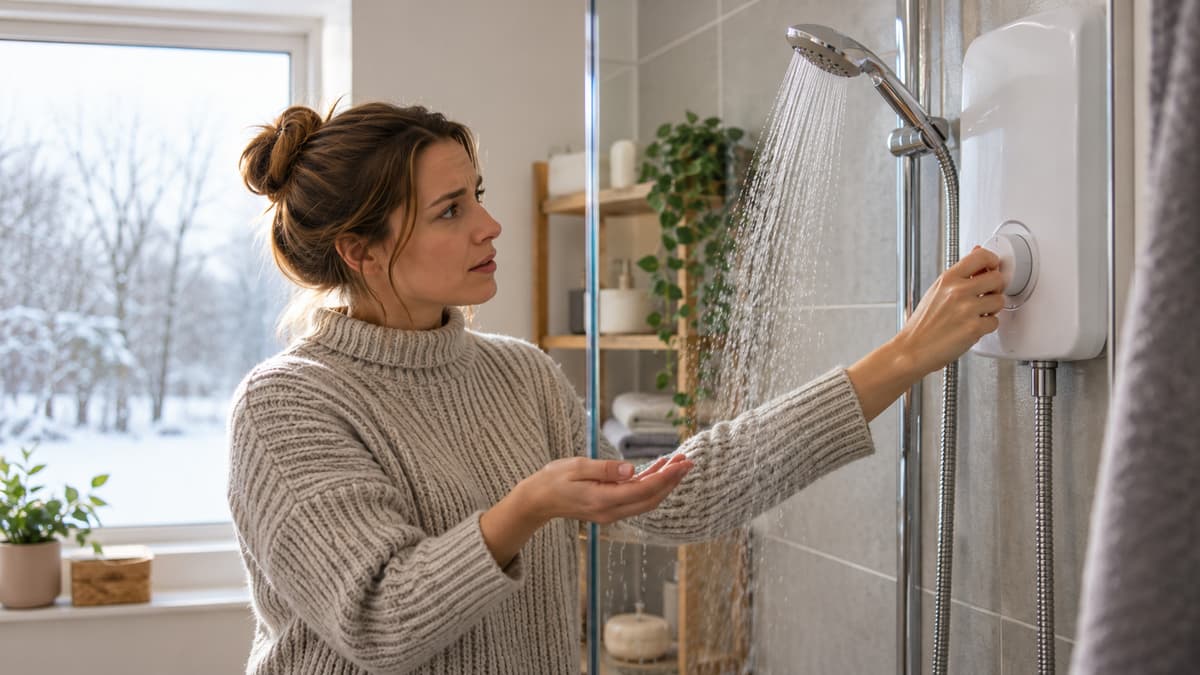
Electric shower cold in winter: causes and fixes
Why an electric shower runs colder in winter, what you can adjust, and when the cause is not a failed unit.
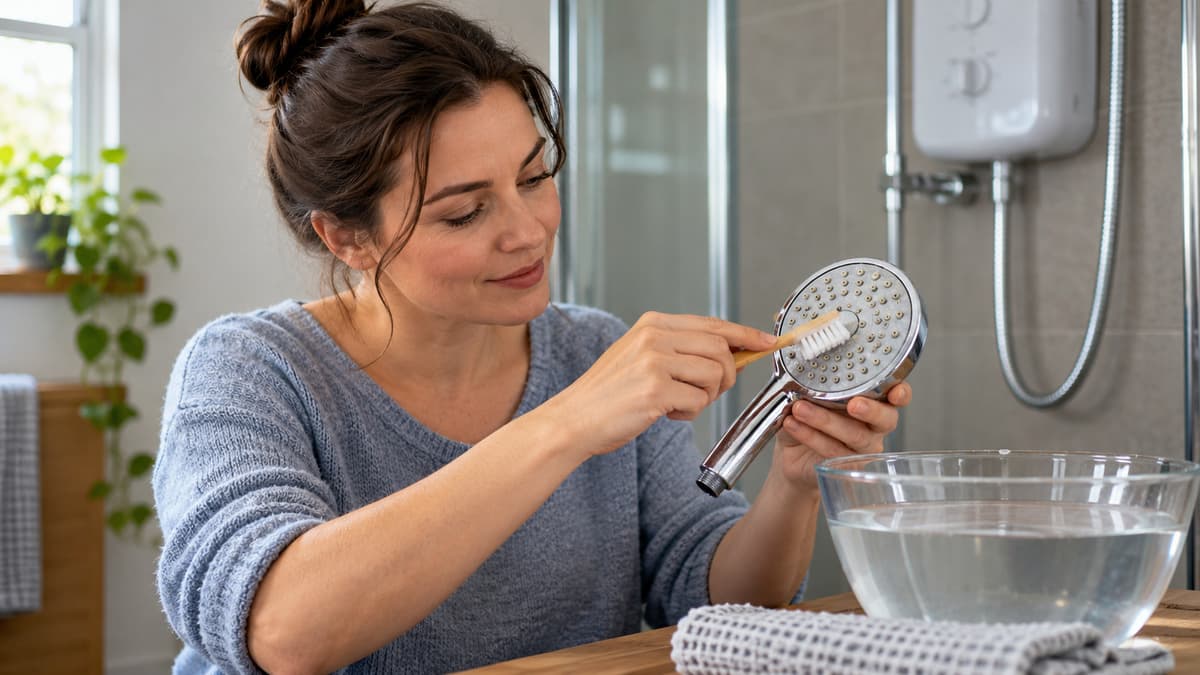
Descale an electric shower head: a safe method
How to descale an electric shower head safely, and when weak or cycling flow needs a professional.
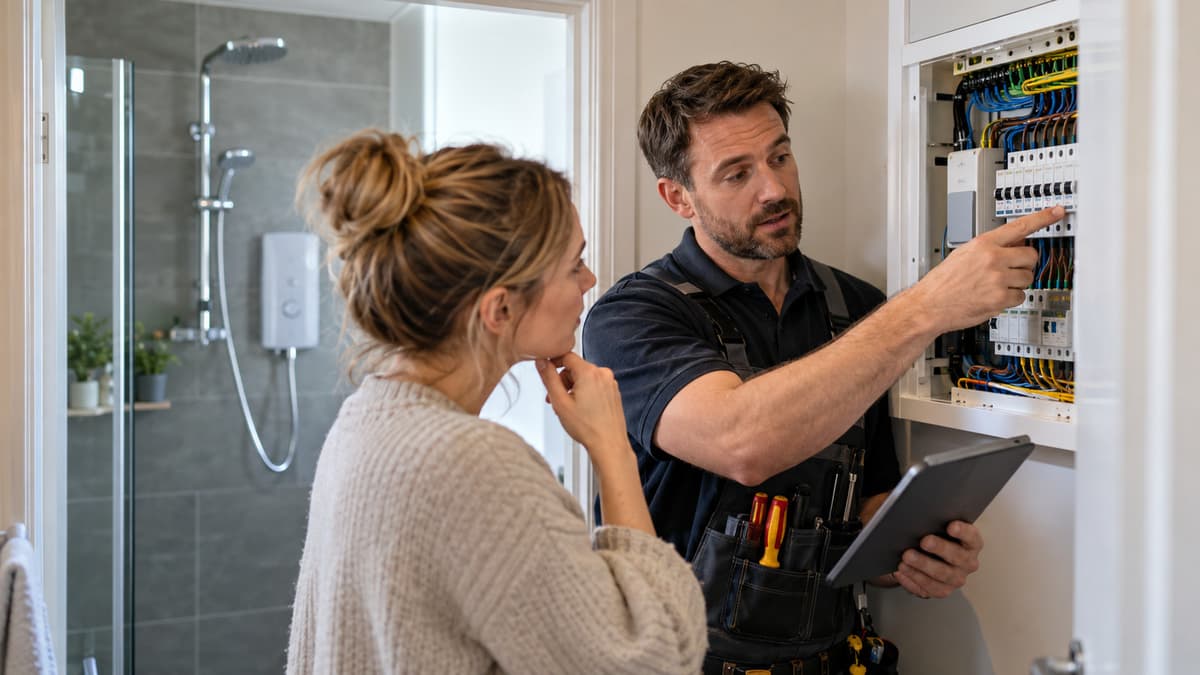
Part P electric shower: when work is notifiable
When electric shower work is notifiable, and how a like-for-like swap differs from a new circuit.