Independent comparisons. We may earn from shop links. More info

Live or artificial ornamental grass: root or plastic

Updated: October 2026

The basket has a bunch of green stems at about £2.99 next to a pampas in a 17 cm pot at about £17.95, and both are labelled as ornamental grass. Live or artificial ornamental grass is that fork: a root that can grow and can die in a wet UK winter, or a plastic stem that stays the height you bought and can fade or bend. A seed packet is a third thing, one summer of hare's-tail heads, not a cheap root and not a fake stem. The [ornamental grass comparison](/hub/hedges-and-privacy-screens/ornamental-grass) lists all nine with the form marked. This page only decides which form. A qualifying purchase can earn a commission at no extra cost to you.

The basket has a bunch of green stems at about £2.99 next to a pampas in a 17 cm pot at about £17.95, and both are labelled as ornamental grass.

Our top picks

On this page

A root, a packet, or a plastic stem

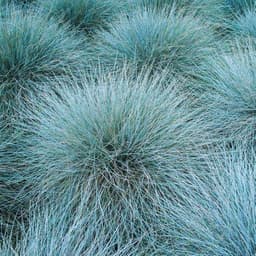
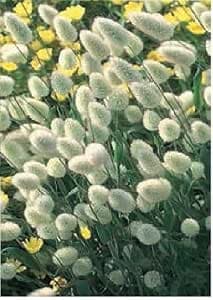
These are not three prices for one product. A live Carbeth festuca, one 10.5 cm pot at about £10.99 or three at about £18.99, is a low evergreen you plant. A live Cortaderia selloana Rosea at about £17.95 is a young pampas that can reach about 2.5–4 m after two to five years if sun, deep drainage and room are there. Just Seed Lagurus ovatus at about £1.35 is seed of an annual. The faux rows do not root, from about 25 cm to a stated 52 cm, or 44 cm in a pot. A plastic stem will be the same centimetres next June. A fescue can thicken. A pampas can become a tussock you have to plan for. If you need the object to change, buy a root or a packet. If you need it to stay put, buy plastic. The order of those checks is on the ornamental grass buying guide.

When the live plant is the right fork

Buy the live plant when the border or the pot has to live through UK weather and look different in August from the day it arrived. Blue fescue is the edge: full sun, sharp drainage, about 0.1–0.5 m for the species and about 30 cm for Intense Blue, hardy to H5 (about −15 to −10°C, most of the UK even in a severe winter). It will not hide a window. Pampas is the plant you buy only with space, because the spread is about 1.5–2.5 m and the leaves are sharp. Both fail in winter-wet clay and in a pot left in a saucer. Skip the live fork if you need the finished look tonight, if nobody will water a new planting through the first summer, or if the only soil you have stays puddled. Skip any listing whose Latin name is Pennisetum setaceum or Cortaderia jubata. A pink Rosea label is the common species unless it says jubata. Do not plant pampas in the wild. The conditional picks are on best ornamental grass.

When the plastic stem is the right fork

Buy the plastic stem when the height must be fixed, the vase or the porch pot will not be watered, and you can accept a look that does not thicken. Every faux listing here is under about 60 cm. Skrfren at about £2.99 is often called thin, with one UK note that the stems are paper-wrapped and likely to rot outside. RHQFDM at about £11.79 has UK reports of stems bent in half and colour that faded. Briful at about £13.99 includes a pot at a stated 44 cm; reviews often call it sparser than the photographs. UV-resistant on these bullets is a seller phrase. There is no laboratory report in the files. Sheltered use is the placement that holds up: a door recess, a window ledge, a vase indoors. Skip plastic if you need the clump to grow or to read as a living screen. Screening rules for a real grass are on the ornamental grass privacy screen page.

Which to buy for your spot

For a border that must live and change, buy a root: festuca for a sunny, well-drained edge, pampas only if you can give it years and metres. For this year's dried heads, buy the hare's-tail packet and sow it, knowing the count in reviews is often short of 100. For a vase or a sheltered porch pot at a fixed height under about 60 cm, buy a plastic stem and keep it out of constant rain. The condition is the spot, not a single winner across the shelf. A north-facing balcony with a saucer under every pot will lose a fescue to wet and shade. A 44 cm Briful, kept in the dry recess by the door, matches that balcony if you have accepted the size reviewers call small. A south-facing bed of sharp soil, where you are happy to wait, is the place for the pampas at about £17.95. The stem at about £2.99 is only a filler while you wait, not a substitute.

Common questions

When should you buy a live root, and when a plastic stem?
Buy a root if it must grow in a border or a pot and you can give it sun, drainage and water in the first summer. Buy a plastic stem if you want a fixed height for a vase or a sheltered porch and you will not water it. The stem at about £2.99 is not a cheap version of the pampas at about £17.95. One stays near 25 cm. The other can become a large tussock over two to five years.
Will the faux stem grow?
No. The stems in this set are plastic or polyethylene, from about 25 cm to a stated 52 cm, or 44 cm in the Briful pot. They do not root, they do not need a plant passport, and they will not be taller next year. A live fescue can fill out towards about 30 cm. A live pampas can reach about 2.5–4 m if the site allows it. Those are different purchases.
Can you leave faux grass in the rain on an open patio?
Treat that as a risk, not a feature. Listings disagree: some spec lines say indoor, some say outdoor, and several bullets say both. One UK review of the Skrfren stems says they are paper-wrapped and will rot outside. A UK review of the RHQFDM stems says the colour faded. One Briful reviewer would not go beyond a light shower. A sheltered recess is the safer place.
What does UV-resistant mean without a test?
It means the seller wrote it in the bullets. No laboratory report is attached to these nine files, and there is no British Standard here for realistic wheat grass. The phrase does not prove the colour lasts a UK summer on a south wall. SIMDAO's weatherproof line is in the same position, with no reviews in the file to support or contradict it.
What fails first on a live fescue or pampas?
Winter wet. Clay that holds water, or a pot left in a saucer, rots the crown even when the RHS hardiness is H5 or H6. Shade makes blue fescue greener than the photograph. A pampas without room becomes a sharp, wide problem rather than a screen. The first summer still needs water while the root is small. Those are site failures, not a reason to call the plastic stem a better plant.
Where does hare's-tail seed sit on this fork?
Beside both, not between them as a compromise. Lagurus ovatus at about £1.35 is sown in spring and treated as an annual. It is not a root you divide and not a stem you dust. If it germinates you get heads to dry, often from fewer seeds than the label's 100. If you need either a perennial edge or a stem that looks the same in January, the packet is the wrong fork.

Related pages

Sources

Public UK sources named below. amazon.co.uk prices, stars and review counts are from the nine listings in this comparison. Page updated October 2026.

  1. RHS, plants for screening (retrieved 21 October 2026)
  2. RHS, how to grow ornamental grasses (retrieved 21 October 2026)
  3. RHS, cutting back ornamental grasses (retrieved 21 October 2026)
  4. RHS, Cortaderia selloana (retrieved 21 October 2026)
  5. RHS, Festuca glauca (retrieved 21 October 2026)
  6. RHS, Lagurus ovatus (retrieved 21 October 2026)
  7. GOV.UK, high hedges: complaining to the council (retrieved 21 October 2026)
  8. GOV.UK, invasive non-native plants (retrieved 21 October 2026)