Independent comparisons. We may earn from shop links. More info

Ornamental grass buying guide: height and Latin name

Updated: October 2026

You are on amazon.co.uk with a border to edge, a fence you hope to soften, or a vase that needs stems tonight, and the shelf has mixed a seed packet, a 10.5 cm blue tuft, a 17 cm pampas and plastic stems into one search. An ornamental grass buying guide is the sequence before the basket: job, stated height, sun and drainage, season, then the Latin name. The [ornamental grass comparison](/hub/hedges-and-privacy-screens/ornamental-grass) lists the nine listings, the shelf prices and the review counts. This page does not name a winner and it does not teach the spring cut. Prices are the display shelf in GBP. A qualifying purchase can earn us a commission at no extra cost to you.

You are on amazon.co.uk with a border to edge, a fence you hope to soften, or a vase that needs stems tonight, and the shelf has mixed a seed packet, a 10.5 cm blue tuft, a 17 cm pampas and plastic stems into one search.

Our top picks

On this page

Match the job to the form

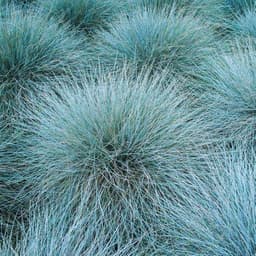
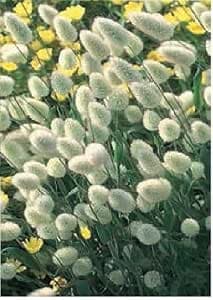
An edge, a future screen, a one-summer seed head and a faux stem are different purchases. A cheaper plastic stem is not a bargain version of a live pampas, because one stays at the centimetres in the title and the other can keep growing if the site suits it. If you want a low blue line along a path or three matching patio pots, you are in the live festuca rows: one 10.5 cm pot at about £10.99, or three at about £18.99. If you want height that might hide a view in a few years, the only plant in this set that can grow into that job is the pink pampas in a 17 cm pot at about £17.95. If you want fluffy heads to dry this summer, the Just Seed packet of Lagurus ovatus at about £1.35 is that sowing, not a hedge. If you will not water anything, you are in the faux rows. A blue cushion will not cover a window. The best ornamental grass page then attaches a condition to each pick.

Read the stated height, not the photograph

On this shelf the live fescues arrive in 10.5 cm pots. Amazon's expected-height field is about 9 cm on the three-pack and 10 cm on the single, which describes the young plant in the pot, not a finished cushion. The RHS puts Festuca glauca in a band of about 0.1–0.5 m, and Intense Blue ('Casblue') as a neat evergreen cushion to about 30 cm. Reviewers in the shared Carbeth pool, 4.4 from 2,550 ratings, often say the plant is smaller than the photograph, or greener than the blue picture, until sun has had time to work. The pink pampas is a 17 cm pot at about £17.95. The RHS gives common Cortaderia selloana about 2.5–4 m in height and 1.5–2.5 m of spread after two to five years. A 17 cm pot on the doorstep is year zero of that wait. The hare's-tail packet lists an expected height of 20 cm, and it is an annual. Height on the label is what you can hold the seller to. The photograph of a plume is not.

Sun, drainage and the season

Blue fescue stays blue in sun and wants sharp drainage. The Carbeth bullets say a sunny spot keeps the intense blue, and that light shade will still grow. Winter-wet clay, and a pot left standing in a saucer, are the usual way these plants fail. Pampas wants full sun and deep, well-drained soil. The RHS rates Festuca glauca at H5, about −15 to −10°C, hardy in most of the UK even in a severe winter, and Cortaderia selloana at H6. That does not mean a young pot can sit waterlogged from November. The RHS treats festuca as cool-season, so you plant it in autumn, and treats miscanthus, pennisetum and cortaderia as warm-season, so you plant in late spring. The three-pack spec names autumn. Hare's tail is sown in spring and treated as an annual. How deep to set the crown sits on the how to plant ornamental grass page.

The Latin name and what the listing promises

Read the name before you pay. GOV.UK lists Pennisetum setaceum (crimson fountain grass, listed 2 August 2017) and Cortaderia jubata (purple pampas grass, listed 15 August 2019) as species of special concern: you must not import, keep, breed, transport, sell or intentionally grow them. Common garden pampas, Cortaderia selloana, is not that list entry. A pink cultivar sold as Rosea is the common species unless the label says jubata. Do not plant it in the wild or dump garden waste where it can establish. 100 seeds, UV-resistant and pink plumes are points about the goods being as described under the Consumer Rights Act 2015. They are not a germination certificate or a guarantee that a young plant arrives in flower. On the hare's-tail file, reviewers often count far fewer than 100 seeds. Screening law is a separate question from the label, and it is on the ornamental grass privacy screen page.

Common questions

Is a cheaper plastic stem a bargain version of a live pampas?
No. A stem of about 25–52 cm stays at that height, needs no water, and does not thicken. The live Cortaderia selloana Rosea in this set is a 17 cm pot at about £17.95 that can reach about 2.5–4 m after two to five years if you have sun, deep drainage and room. You are buying either a fixed decoration or a young plant, not two prices for the same thing.
Will a 10.5 cm blue fescue hide a fence?
No. It is an edge or a pot. The RHS band for Festuca glauca is about 0.1–0.5 m, and Intense Blue is described as a cushion to about 30 cm. Amazon's expected-height field on these listings is about 9–10 cm, which is the pot you unpack. Reviewers often say the plant is smaller and greener than the photograph. It will not cover a window.
Does a 17 cm pink pampas arrive at 2.5–4 m?
No. That RHS range is mature size after about two to five years, with a spread of about 1.5–2.5 m. The listing is a 17 cm pot, and Amazon's expected-height field repeats 17 cm. Several of the 46 ratings say the plant arrived healthy and that pink plumes were not showing yet. Leaves are sharply toothed, so leave space before you judge it by a nursery photograph.
Which Latin names must you reject before you buy?
Reject Pennisetum setaceum and Cortaderia jubata. Both are species of special concern on GOV.UK, listed in 2017 and 2019. Cortaderia selloana, including a Rosea label, is the common garden pampas and is not that ban. Do not plant it in the wild. If a listing uses only a marketing name such as fountain grass and hides the Latin, do not guess.
When should you plant festuca, and when a warm-season grass?
Plant blue fescue in autumn. The RHS treats it as cool-season. Plant pampas, miscanthus and pennisetum in late spring, as warm-season grasses. Sow hare's tail in spring and treat it as an annual. The three-pack spec on this shelf names autumn. A single plant-all-grasses-in-April line from a blog fights that split.
What does 100 seeds or UV-resistant actually promise?
It is a description you can hold the seller to if the goods are not as described. On this hare's-tail listing the title says 100 seeds, and reviews often report about 50, 40, 20 or about five. UV-resistant on the faux listings is a seller phrase. No laboratory report is in these files, so it is not a promise that the colour lasts for years on a UK patio.

Related pages

Sources

Public UK sources named below. amazon.co.uk prices, stars and review counts are from the nine listings in this comparison. Page updated October 2026.

  1. RHS, plants for screening (retrieved 21 October 2026)
  2. RHS, how to grow ornamental grasses (retrieved 21 October 2026)
  3. RHS, cutting back ornamental grasses (retrieved 21 October 2026)
  4. RHS, Cortaderia selloana (retrieved 21 October 2026)
  5. RHS, Festuca glauca (retrieved 21 October 2026)
  6. RHS, Lagurus ovatus (retrieved 21 October 2026)
  7. GOV.UK, high hedges: complaining to the council (retrieved 21 October 2026)
  8. GOV.UK, invasive non-native plants (retrieved 21 October 2026)