Independent comparisons. We may earn from shop links. More info

How to plant ornamental grass: season, depth, tidy

Updated: October 2026

The pot or the packet is on the patio, and the usual way to lose it is a wet first winter or a tidy that cuts the new shoots. How to plant ornamental grass, for the live plants and the hare's-tail seed in the [ornamental grass comparison](/hub/hedges-and-privacy-screens/ornamental-grass), is a calendar plus a hole. Blue fescue is cool-season, so you plant it in autumn. Pampas is warm-season, so you plant it in late spring. Hare's tail is sown in spring and treated as an annual. A plastic stem is not planted at all. A qualifying purchase can earn a commission at no extra cost to you.

The pot or the packet is on the patio, and the usual way to lose it is a wet first winter or a tidy that cuts the new shoots.

Our top picks

On this page

Plant fescue in autumn and pampas in late spring

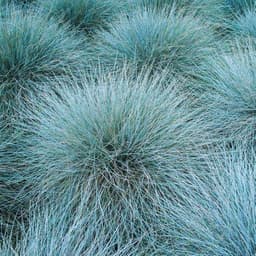
If the plant in your hand is a blue festuca in a 10.5 cm pot, plant it in autumn. The RHS groups festuca with the cool-season grasses: establish it in autumn, and divide an old clump in late winter or early spring. The three-pack spec on this shelf names autumn. If the plant is the pink Cortaderia selloana in a 17 cm pot, wait until late spring, with miscanthus and pennisetum. It wants full sun and deep, well-drained soil. A 17 cm pot is not a mature 2.5–4 m tussock. BBC Gardeners' World is broader: spring or autumn, same depth as the pot, then firm and water in. The month still depends on whether the grass is cool-season or warm-season. Both still rot if the crown sits in water. The checks that decide whether this plant was the right buy are on the ornamental grass buying guide.

Depth, drainage and the first summer

Set the crown at the same depth it sat in the pot. Do not bury the growing point, and do not leave the root ball proud so it dries. Water it in so the soil closes around the roots, then water through the first growing season whenever the top few centimetres dry. After that, the Carbeth bullets describe minimal watering once the fescue is established, and the pampas listing says low moisture. Drought tolerant later is not a reason to skip the first summer. Winter-wet clay and a pot left in a saucer are how these plants die, even when the label says hardy. If you are planting into a container, Gardeners' World suggests John Innes No. 2, with extra grit where the grass wants a drier root run. For pampas, the RHS also suggests a dry mulch in the first winter, kept off the crown. If the only bed stays puddled, do not dig a deeper hole that acts as a sump. Which listing fits an edge rather than a future screen is on best ornamental grass.

Tidy in spring, including pampas

Leave the dead growth through winter. It protects the crown. Cut in early to mid-spring, before the new shoots are up. On a deciduous clump, cut the old stems low, and stop when you meet green. Evergreen fescue is different. Do not hard-prune a small blue clump to the ground. Comb or pull the dead leaves from the base and trim brown tips. The RHS says centres of old festuca die out, and a division about every three years is how you keep a tuft rather than a doughnut of dead middle. Pampas is tidied in late winter or early spring, again without cutting the new growth inside the crown. Wear thick gloves. Do not burn the crown. Dividing a heavy pampas clump can be a two-person job. What a grass line means for the council is on the ornamental grass privacy screen page.

Sow hare's tail as an annual

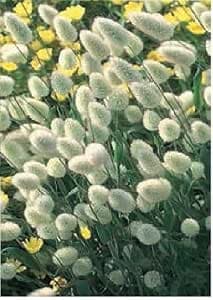
Hare's tail, Lagurus ovatus, is not planted as a division and not kept as a perennial hedge. Sow it in spring, in the ground or in a cold frame, in sun and in sandy or light, well-drained soil. The RHS plant page puts it at about 0.1–0.5 m. The RHS Plants shop gives a sowing depth of about 5 mm. The Just Seed listing says keep the compost moist and well drained, with an expected height of 20 cm. The title says 100 seeds. Reviewers often count fewer, so sow what you have and do not plan a whole border on the number printed on the packet. Treat the plant as an annual. It may self-seed, which is new plants next year, not the original clump returning. Cut stems for drying when the heads are formed and still pale. A faux stem is not sown, watered, or cut back.

Common questions

When do you plant blue fescue, and when do you plant pampas?
Plant blue fescue in autumn. Plant pampas in late spring. The RHS splits cool-season grasses such as festuca from warm-season grasses such as cortaderia, miscanthus and pennisetum. The three-pack listing names autumn. A 10.5 cm fescue is already a small plant. A 17 cm pampas is not mature. Sowing hare's tail is a third date: spring, and only for that year.
How deep should the crown sit?
At the same depth as it sat in the pot. Firm the soil and water it in so the roots are not left in air pockets. Do not bury the crown, and do not perch the root ball above the bed so the wind dries it. For hare's tail the RHS shop guide is about 5 mm of cover, which is a seed depth, not a planting depth for a pampas crown.
What happens in winter-wet clay or a pot left in a saucer?
The crown sits wet and the plant rots, including plants the RHS rates as hardy. H5 and H6 describe cold, not waterlogging. Tip water out of saucers, and do not dig a sump in clay and call it a planting hole. In a pot, John Innes No. 2 with grit suits grasses that want a sharper root run. A dry mulch on a new pampas should stay off the crown.
When do you cut, and what do you do to an evergreen fescue?
Cut deciduous grasses in early to mid-spring, low, before the new shoots elongate. On evergreen fescue, comb dead foliage from the base and trim brown tips. Do not cut a small blue clump to the ground. Divide festuca about every three years when the centre dies, in late winter or early spring. Warm-season grasses, including pampas, are divided in late spring.
How do you tidy pampas without damaging the crown?
In late winter or early spring, cut old stems without slicing the new growth in the middle. Wear thick gloves and, on a large plant, eye protection. Use loppers on tough stems. Do not burn the crown. If the clump is too heavy for one person, stop. The RHS notes that dividing a large crown can be a two-person job.
Will hare's tail come back next year?
Not as the same perennial clump. Sow it each spring, about 5 mm deep, in sun and light soil, and treat it as an annual. It may drop seed and appear again, which is a new sowing, not a hedge you divide. The packet's 100 seeds line is often shorter in reviews, so a thin row is a count problem as well as a season problem.

Related pages

Sources

Public UK sources named below. amazon.co.uk prices, stars and review counts are from the nine listings in this comparison. Page updated October 2026.

  1. RHS, plants for screening (retrieved 21 October 2026)
  2. RHS, how to grow ornamental grasses (retrieved 21 October 2026)
  3. RHS, cutting back ornamental grasses (retrieved 21 October 2026)
  4. RHS, Cortaderia selloana (retrieved 21 October 2026)
  5. RHS, Festuca glauca (retrieved 21 October 2026)
  6. RHS, Lagurus ovatus (retrieved 21 October 2026)
  7. GOV.UK, high hedges: complaining to the council (retrieved 21 October 2026)
  8. GOV.UK, invasive non-native plants (retrieved 21 October 2026)